unusual
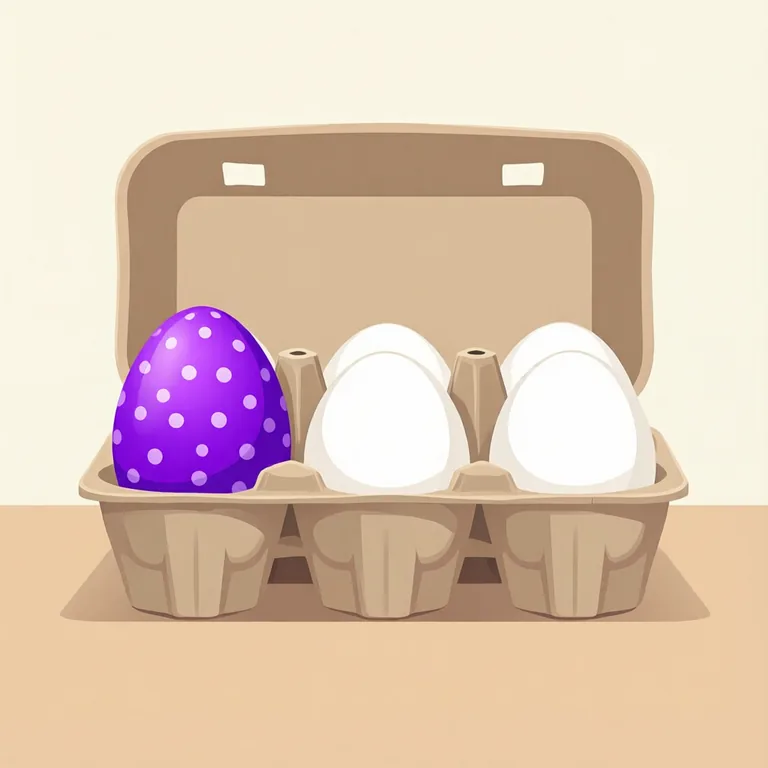
- adj. 不寻常的, 罕见的
- Definition
- adj. not common, rare, or different from what is usual
- Example
- It was unusual for him to arrive late to the office.
- 他上班迟到是很不寻常的事。
Synonyms & Differences 近义词辨析
Compared meaning: different from what is usual, common, or average (adjective).
比较义项:超出一般水平、不同于寻常(形容词)。
- exceptional
Emphasizes outstanding quality or ability well above average, giving strong praise; it says how good something is, not how often it happens.
强调品质或能力远超一般水平,带有强烈的赞美意味;它说明事物有多好,而不是发生的频率高低。
Her performance in the final exam was truly exceptional.
她在期末考试中的表现真是杰出。
- rare
Emphasizes low frequency of occurrence or scarcity; it says how seldom something happens or is found, without judging its quality.
强调发生或出现的频率低、稀少;它说明某事物有多罕见,而不评判其好坏。
A total solar eclipse is a rare event that draws huge crowds.
日全食是一种罕见的天象,会吸引大批人群前来观看。
- unusual 本词
Emphasizes a departure from what is typical or expected, often with a note of surprise; can describe something odd rather than good or bad.
强调偏离典型或预期的情况,常带有意外的语气;可以形容某事奇怪,而不一定是好或坏。
The teacher noticed an unusual silence in the classroom that morning.
老师注意到那天早上教室里出现了不寻常的安静。
- special
Emphasizes personal or situational significance that sets something apart, often chosen or made with care for an occasion; carries a positive, sentimental tone.
强调因具有个人或场合上的重要意义而与众不同,常指为某个场合精心挑选或准备;带有积极、温情的语气。
My mother cooked a special dinner for my birthday.
我妈妈为我的生日做了一顿特别的晚餐。
Exceptional, rare, unusual, and special all mean different from normal. Exceptional means very high quality or ability. Rare means happening seldom. Unusual means not typical, often surprising. Special means important for a particular reason, warm in tone. Not compared: rare (undercooked meat), special (special forces).
这几个词都可以形容人、事物或情况“不同于一般”,但侧重点不同:exceptional 强调品质或能力出众,rare 强调出现频率低,unusual 强调偏离常态,special 强调因具有特别意义而与众不同。这里不比较 rare 表示“(牛排等)未全熟”的意思,也不比较 special 表示“专门的、特设的”(如 special forces)的意思。
Compared meaning: not the same as others, or not ordinary (adjective).
比较义项:不同于寻常或他者的(形容词)。
- different
The most neutral and common word; simply states two things are not the same, usually with an explicit comparison object (from/than); no implication of rarity or special value.
程度最中性、最常用的说法,只表示两者不相同,通常需要有明确的比较对象(与……不同),不涉及稀有或特别的价值。
My sister and I have very different tastes in music.
我姐姐和我的音乐品味非常不同。
- unique
The strongest claim; means one of a kind, that nothing else shares this quality, often used approvingly to highlight special value; not normally used with 'very' or 'than' comparisons.
语气最强,表示独一无二、别处再无相同之物,常带褒义,突出特别的价值;一般不与“很”或“比……”这类比较结构连用。
The chef created a unique dish unlike anything else on the menu.
这位厨师创作了一道独一无二的菜,菜单上没有其他菜可与之相比。
- unusual 本词
Highlights that something deviates from what is typical or common, often carrying a sense of surprise or being noteworthy; does not require an explicit comparison object, and is weaker than 'unique'.
强调偏离常态、不常见,常带有出乎意料或引人注意的意味,不需要明确的比较对象,语气比 unique 弱。
It's unusual to see snow in this city during summer.
在这座城市的夏天看到下雪是不寻常的。
Different, unique, and unusual all mean 'not the same.' Different simply says two things are not alike, often with 'from.' Unique means one of a kind, often as praise, and is not used with 'very' or 'than.' Unusual means uncommon or surprising.
这三个词都可表示“不一样”,但侧重点不同:different 只是客观说明两者不相同,语气最中性;unique 强调独一无二、无可替代,常带有褒义,突出特别之处;unusual 强调不常见、少见,带有出乎意料或引人注意的意味。用法上,different 后常接 from 表示比较对象,unique 一般不与“很”“比……”这类程度或比较结构连用。