unjust
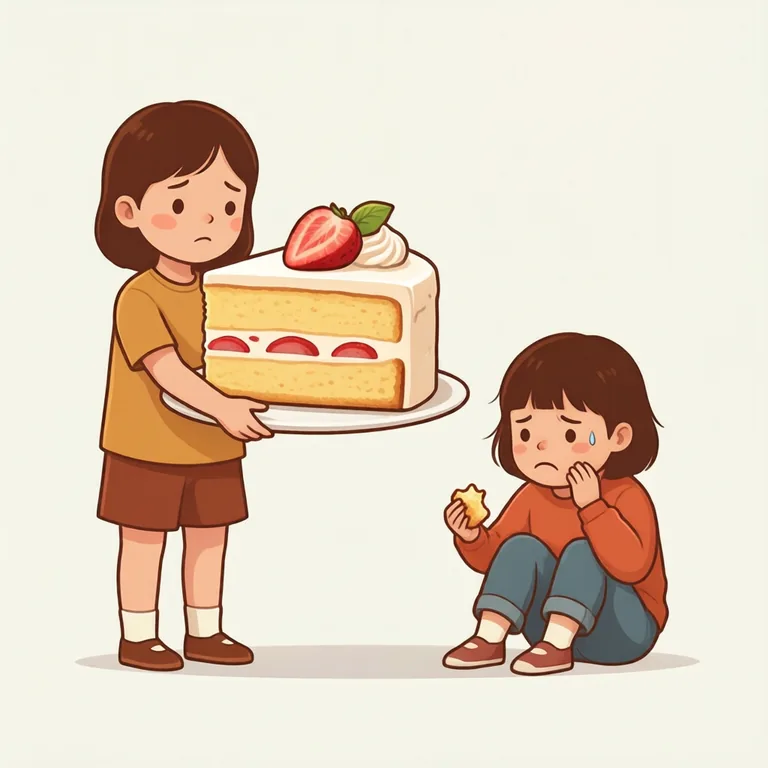
- adj. 不公正的, 不公平的
- Definition
- adj. not fair or reasonable in the way people are treated
- Example
- The workers protested against the unjust treatment by management.
- 工人们抗议管理层不公正的待遇。
Synonyms & Differences 近义词辨析
Compared meaning: not fair in how someone is treated (adjective).
比较义项:不公平,不公正(对人的对待不公平或不合理)(形容词)。
- unfair
A general, everyday word for treatment that is not fair; used for personal or minor situations; milder in tone than unjust and far more common in casual speech.
一个通用的日常用词,指对人不公平的对待;多用于个人化或较小的情况;语气比 unjust 更温和,在口语中也更常用。
It felt unfair that she had to work every single weekend.
她每个周末都要工作,这让她觉得很不公平。
- unjust 本词
A stronger, more formal word implying moral or legal wrongdoing, typically used about systems, laws, or those in authority, rather than small personal complaints.
语气更强烈、更正式的词,暗含道德或法律上的错误,通常用于描述制度、法律或当权者的不公,而不是个人的小抱怨。
The workers protested against the unjust treatment by management.
工人们抗议管理层不公正的对待。
Unfair and unjust both describe treatment that is not fair, but the strength differs. Unfair is common, used for personal or small situations, and sounds fairly mild. Unjust is stronger and formal, suggesting moral or legal wrongdoing, mostly about systems, laws, or people in power.
这两个词都表示对人的对待不公平,但语气强弱不同:unfair 更口语化,用于日常、个人化的小事;unjust 语气更正式、更强烈,常带道德谴责意味,多用于描述制度、法律或权力层面的不公。