unconscious
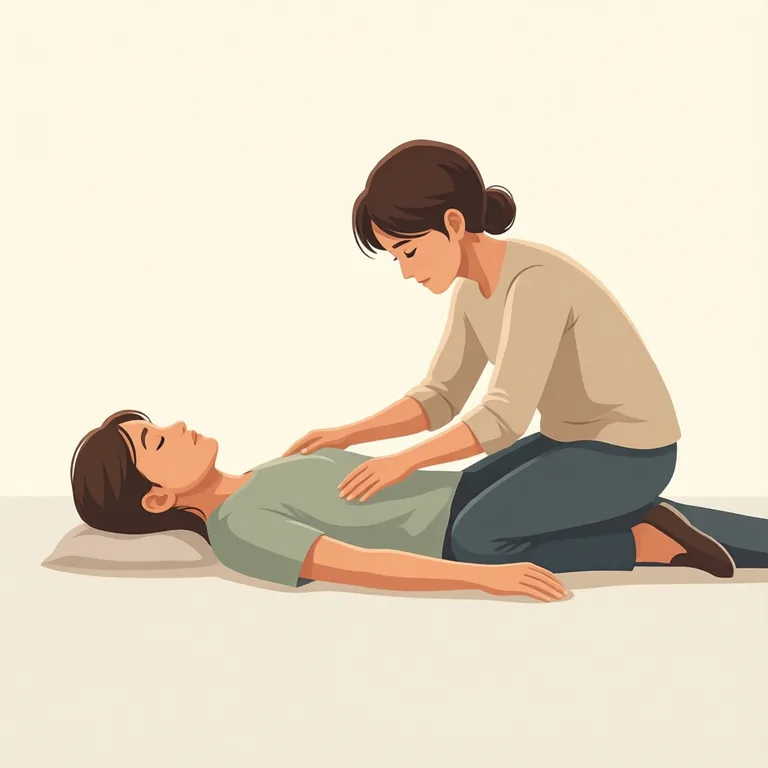
- adj. 失去知觉的
- adj. 未察觉的
- adj. 潜意识的
- Definition
- adj. not awake and unable to feel
- adj. not aware of something
- adj. relating to thoughts or feelings outside conscious awareness
- Example
- He was unconscious for several minutes after hitting his head.
- 他撞到头后昏迷了几分钟。
Synonyms & Differences 近义词辨析
Compared meaning: not noticing something or some situation (adjective).
比较义项:未察觉到某事/某种情况(形容词)。
- unconscious 本词
Formal, mostly used as 'unconscious of' + noun; describes not noticing something subtle, such as an effect, feeling or influence, often about oneself. Rarely used with 'that' clauses or about outside danger.
较为正式、带文学色彩,常用「unconscious of + 名词」的结构,表示没有察觉到某种微妙的影响、感受,且多用于谈论自身;很少用「that」从句,也不用于外部危险。
She seemed unconscious of the impression her sharp remarks left on the room.
她似乎没有意识到自己尖刻的话给全场留下了什么印象。
- oblivious
Common and informal; typically 'oblivious to/of' + noun, describing someone so absorbed or distracted that they fail to notice their surroundings or an obvious fact.
常见且口语化,通常用「oblivious to/of + 名词」,形容一个人因专注或分心而没有注意到周围环境或某个明显的事实。
He walked past his old friend, completely oblivious to her waving from across the street.
他从老朋友身边走过,完全没注意到她正在马路对面向他挥手。
- unaware
The plain, neutral choice; works with 'that' clauses or 'of' + noun, simply stating a lack of knowledge or awareness without implying any particular cause.
最平实、中性的说法,可接「that」从句或「of + 名词」,只是单纯陈述缺乏了解或察觉,不暗示任何特定原因。
I was unaware that the meeting had been moved to a different room.
我没有意识到会议已经改到了另一个房间。
- unsuspecting
Implies vulnerability to danger, harm or deception; almost always describes the noun it modifies (an unsuspecting victim, tourist, buyer) rather than following a linking verb.
暗示容易受到危险、伤害或欺骗;几乎总是用来修饰名词(如 unsuspecting victim/tourist/buyer),而不是跟在系动词后面。
A con artist can easily deceive an unsuspecting shopper with a fake charity collection.
骗子很容易用假的慈善募捐骗过毫无戒心的顾客。
All four mean not aware of something, but differ. Unconscious is formal, for not noticing an effect or feeling. Oblivious means not noticing surroundings due to distraction. Unaware is the plain, neutral choice. Unsuspecting means unaware of danger or deception, almost always modifying a noun.
这四个词都表示「没有察觉到某事」,但语气和用法不同:unconscious 较为正式、文学化,常用于表达没有意识到自身的某种影响或感受;oblivious 强调因专注或分心而没注意到周围情况;unaware 是最中性、最常用的说法;unsuspecting 特指没有察觉到危险或欺骗,几乎只用来修饰名词。这里不比较 unconscious 表示「失去知觉的、昏迷的」这一义项。
Compared meaning: not conscious, having lost awareness (adjective).
比较义项:失去知觉的、无意识的(形容词)。
- unconscious 本词
The standard, neutral word for someone who has lost consciousness; used in everyday and medical contexts, often after an accident, injury, or fainting.
这是描述某人失去知觉时最常用、最中性的词,常用于日常和医学语境,多指因事故、受伤或昏厥而失去意识。
The paramedics found her unconscious on the kitchen floor and rushed her to hospital.
急救人员发现她昏迷在厨房地板上,赶紧把她送去了医院。
- senseless
Means the same as unconscious here but sounds more dramatic and literary, and typically follows violence, almost always paired with verbs like knock or beat.
在这一意义上与 unconscious 相同,但语气更强烈、更文学化,通常出现在暴力之后的语境,几乎总是与表示“打”的动词(如 knock、beat)搭配使用。
The thief knocked the security guard senseless with a single blow to the head.
那个小偷一拳就把保安打得失去了知觉。
Unconscious and senseless both describe losing consciousness. Unconscious is the standard word for losing consciousness from an accident. Senseless means the same but sounds stronger and more literary, with verbs like knock or beat. This does not compare senseless as 'foolish' or unconscious as 'unnoticed'.
这两个词在“失去知觉”这一义项上意思相近,但语域和用法不同:unconscious 是最常用、最中性的说法,多用于日常和医学语境,描述某人因意外、受伤或昏厥而失去意识;senseless 表达同一意思时语气更强烈、更文学化,通常出现在暴力之后的语境,几乎总是与表示“打”的动词(如 knock、beat)搭配使用。这里不比较 senseless 更常见的“愚蠢的、没有意义的”这一义项,也不比较 unconscious 的“未察觉到的”“无意识的(非故意的)”等其他义项。