ugly
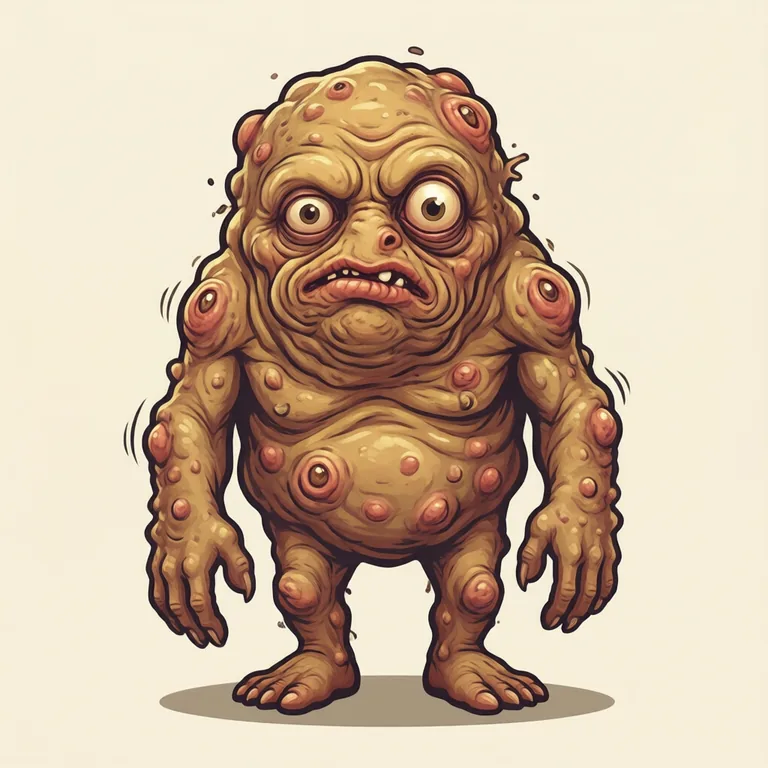
- adj. 丑陋的
- adj. 险恶的
- Definition
- adj. unpleasant to look at
- adj. unpleasant and threatening
- Example
- The old broken fence looked ugly next to the new house.
- 旧栅栏破破烂烂的,在新房子旁边显得很难看。
Synonyms & Differences 近义词辨析
Compared meaning: unattractive to look at (adjective).
比较义项:难看、丑陋(形容词)。
- ugly 本词
The most general, everyday word for something unpleasant to look at; neutral in strength and register, used for almost anything visually unattractive.
最普通、最常用的词,泛指“看起来令人不悦”;语气中性,强度适中,几乎可以形容任何视觉上不好看的事物。
That bright orange couch looks really ugly in such a small room.
那张亮橙色的沙发放在这么小的房间里显得真难看。
- hideous
Much stronger than ugly; describes something extremely and shockingly unattractive, often provoking disgust or fear.
语气比ugly强得多,形容极其丑陋、令人震惊的事物,常带有厌恶或恐惧的感觉。
The monster's face in the film was so hideous that children covered their eyes.
电影里那个怪物的脸丑陋可怕极了,吓得孩子们都捂住了眼睛。
- grotesque
Ugly in a strange, distorted or exaggerated way, often bizarre enough to be shocking or darkly comic, not simply unattractive.
形容因怪异、扭曲或夸张而显得丑陋,往往怪诞到令人震惊甚至带点黑色幽默的程度,而不只是单纯的不好看。
The carnival mirror twisted his reflection into a grotesque, bulging shape.
狂欢节的哈哈镜把他的影像扭曲成一个怪诞、鼓胀的形状。
- unsightly
A milder, more formal word, often used for something that spoils an otherwise pleasant view, like litter or a blemish, rather than for a person's appearance.
语气较委婉、较正式的词,常用来形容破坏原本美观景象的东西(如垃圾、污渍),而较少用来形容人的相貌。
The city removed the unsightly graffiti from the park's walls.
市政部门清除了公园墙上那些难看的涂鸦。
Ugly, hideous, grotesque, and unsightly all describe something unpleasant to look at. Ugly is the general, neutral word. Hideous is much stronger. Grotesque means ugly in a strange, distorted way. Unsightly is milder, often for something spoiling a view. Grotesque meaning 'absurd' is not compared.
这几个词都可以形容“难看、丑陋”,但程度和语气不同:ugly最常用、最中性;hideous程度强烈,常带厌恶或恐惧;grotesque侧重“怪异到可笑或惊悚”的丑;unsightly较正式,多用于破坏美观的事物而非人的长相。这里不比较grotesque用来形容荒诞、离谱等非视觉意味的用法(如a grotesque waste of money)。
Compared meaning: in a bad, angry, or hostile mood (adjective).
比较义项:情绪或态度令人不快,带有生气、敌意或阴郁的坏脾气(形容词)。
- cross
Cross names a mild, brief annoyance at someone, often used with children or small mistakes; it is a passing mood, not a lasting trait, and sounds slightly old-fashioned or British.
cross表示对某人短暂、轻微的生气,常用于孩子或小过失,是一时的情绪而非持久的性格,且语气略显老式或英式。
The teacher sounded cross when we forgot our homework again.
我们又忘了带作业,老师听起来很生气。
- ugly 本词
Ugly describes a mood, scene, or crowd becoming hostile and possibly violent; it is stronger and more alarming than the others, and rarely describes a person's everyday temperament.
ugly形容气氛、场面或人群变得充满敌意甚至可能爆发暴力,比其他几个词更强烈、更令人不安,很少用来形容一个人平日的性情。
The negotiations turned ugly when both sides started shouting threats.
双方开始大喊威胁的话时,谈判变得险恶起来。
- sour
Sour describes a lingering bitter, resentful, unpleasant attitude that often follows a disappointment; it can describe a person's mood, a remark, or a relationship or situation gone bad.
sour形容失望之后留下的、持续存在的苦闷、怨恨和令人不快的态度,可以用来形容人的情绪、言语,或变糟的关系或局面。
Losing the promotion left him sour and resentful toward his coworkers for weeks.
没有得到晋升让他一连几周对同事都心怀怨恨、闷闷不乐。
- moody
Moody describes an ongoing personality trait of unpredictable swings between gloominess and bad temper; it labels a person's general character, not their reaction to one single event.
moody形容一个人经常在阴郁和坏脾气之间反复无常地变化,属于持续的性格特点,而不是对某一件事的一次性反应。
As a teenager, she was moody, cheerful one minute and silent the next.
她十几岁时情绪多变,前一分钟还很开心,下一分钟就沉默不语。
Cross, ugly, sour, and moody can all describe a bad mood. Cross is a mild, brief annoyance, often with children. Ugly describes a mood or crowd turning hostile. Sour describes bitterness after a disappointment. Moody describes unpredictable mood swings. Ugly 'unattractive' is not compared.
这四个词都可以表示情绪或气氛不好,但程度和语气不同:cross最轻微、短暂,ugly最强烈、带有敌意甚至暴力的意味,sour是失望后留下的怨恨和不快,moody则是反复无常的性格特点。这里不比较cross的“交叉、横过”义,ugly的“丑陋(外貌)”义,以及sour的“酸的(味觉)”义。