tyranny
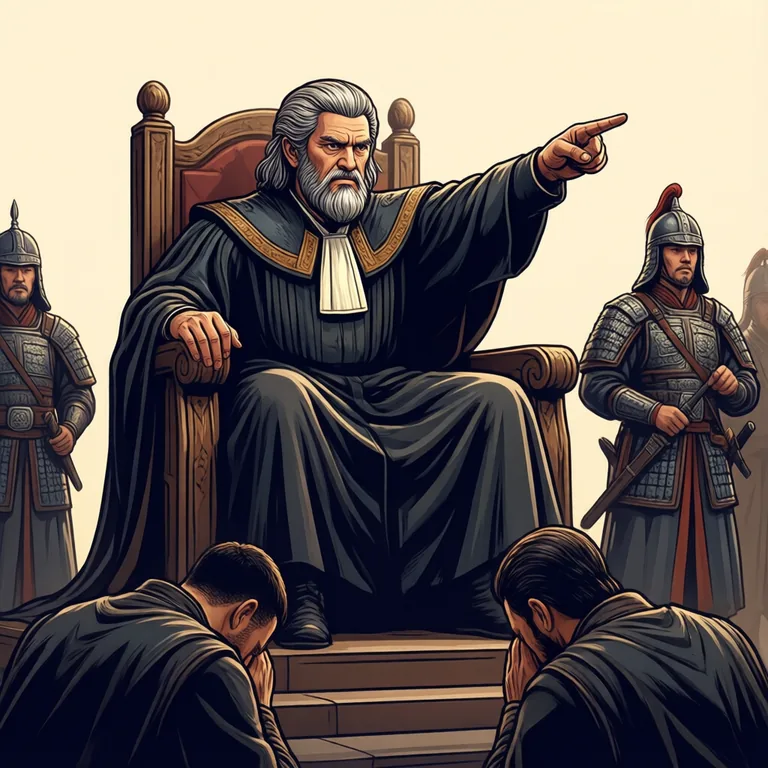
- n. 专制, 暴政
- Definition
- n. cruel and unjust use of power by a ruler
- Example
- The novel describes a kingdom suffering under a cruel tyranny.
- 这部小说描写了一个王国在残暴统治下所遭受的苦难。
Synonyms & Differences 近义词辨析
Compared meaning: rule by a single, all-powerful leader or group (noun).
比较义项:独裁、专制统治(名词)。
- dictatorship
Names the political SYSTEM in which one ruler (or small group) holds total, unchecked power; neutral-to-formal register, often used in political or historical description.
指一种由单一统治者(或小集团)掌握全部、不受制衡权力的政治制度;语域中性偏正式,常用于政治或历史描述。
After the coup, the military replaced the elected government with a dictatorship.
政变之后,军方用一个独裁政权取代了民选政府。
- tyranny 本词
Emphasizes the CRUEL, UNJUST way power is used, regardless of the political system; stronger emotional and moral condemnation, often in literary or rhetorical contexts.
强调统治者行使权力的方式残酷、不公,而不限于某种政治制度;情感色彩更强,带有明显的道德谴责,常见于文学或政论语境。
The people finally rose up against the king's tyranny.
人民终于奋起反抗国王的暴政。
Dictatorship and tyranny both mean total power held by one ruler or group, but they differ. Dictatorship names the political system itself, without implying cruelty. Tyranny stresses that power is used cruelly and unjustly, with strong moral disapproval.
这两个词都指个人或少数人独揽大权、统治国家的状况,但侧重点不同:dictatorship 强调的是一种权力集中于一人(或一党)之手的统治制度或政体,本身不一定强调残暴;tyranny 则强调统治者滥用权力、施行残酷不公的统治,带有强烈的贬义和道德谴责色彩。