trouble
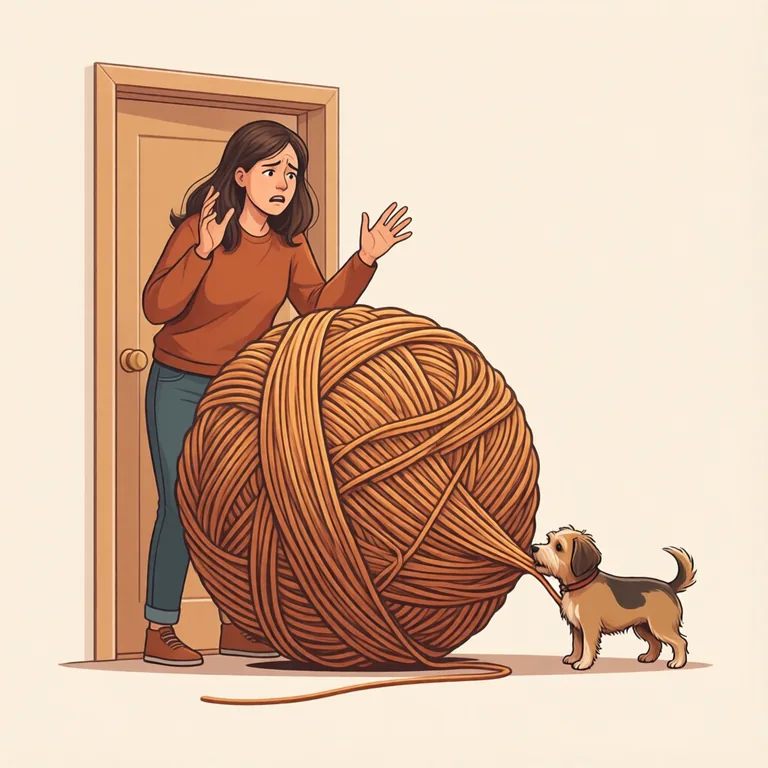
- n. 麻烦
- n. 困难
- n. 动乱
- v. 困扰
- v. 使烦恼
- v. 麻烦
- Definition
- n. a problem
- n. difficulty
- n. state of unrest
- v. to cause worry
- v. to cause difficulty
- v. to cause discomfort to someone
- Example
- He got into trouble for arriving late every day.
- 他因为每天迟到而惹上了麻烦。
Synonyms & Differences 近义词辨析
Compared meaning: difficulty, something hard to do (noun).
比较义项:困难(名词)。
- trouble 本词
Trouble is the everyday, informal word for a difficulty; it is usually uncountable and often describes a small, casual hassle, not necessarily something intellectually hard.
trouble 是更口语化、日常的说法,通常不可数,常用来指一件小的、随意的麻烦事,不一定是智力上的困难。
I had a bit of trouble finding a parking spot downtown.
我在市中心找停车位时遇到了点小麻烦。
- difficulty
Difficulty is more formal and can be countable, referring to a specific problem that is worth naming or listing, especially in writing or serious discussion.
difficulty 更正式,可作可数名词,指值得单独说明或列举的具体问题,常见于书面语或较正式的讨论中。
The report lists several difficulties the team faced during testing.
该报告列出了团队在测试过程中遇到的几个困难。
Trouble and difficulty both mean a problem that is hard to deal with. Trouble is informal and broad, covering mental difficulty or general hassle. Difficulty is more formal, meaning a specific problem in understanding or finishing something. Trouble can also mean punishment, not compared here.
trouble 和 difficulty 在表示「困难」时意思相近,但 trouble 更口语化、涵盖范围更广,不仅限于智力上的困难,也可以指麻烦、费力的事情;difficulty 更正式,尤指理解或完成某件事时遇到的具体困难。这里不比较 trouble 表示「惹上麻烦、受到责罚」的意思(如原例句中「因迟到而受罚」的用法)。
Compared meaning: to make someone feel worried or uneasy (verb).
比较义项:使人感到担忧、不安(动词)。
- trouble 本词
Common, everyday word for causing worry over a specific matter; often used in the passive (be troubled by) or in questions like What's troubling you; works with both people and abstract concerns.
trouble是常见的日常用词,指为某件具体的事而让人担忧;常用被动式表达“感到烦恼”,也常出现在类似“是什么让你心烦”这样的疑问句中;可以用于人,也可以用于抽象的忧虑之事。
What's troubling you? You've barely spoken all evening.
是什么让你这么心烦?你今晚几乎都没说话。
- disquiet
More formal and literary; suggests a vague, unsettling unease rather than worry about one specific problem, and is often used to describe how an atmosphere or news affects a group of people.
disquiet更正式、更书面化,强调一种模糊、弥漫的不安感,而不是针对某个具体问题的担忧,常用来描述某种气氛或消息给一群人带来的影响。
A vague disquiet spread through the crowd as the results were announced.
随着结果的公布,一种莫名的不安在人群中蔓延开来。
Trouble and disquiet both mean to make someone worried. Disquiet is literary, suggesting a vague, spreading unease. Trouble is everyday, usually about worry over one specific thing. Trouble's other senses, 'a problem' and 'to ask for help', and disquiet's noun sense are not compared here.
trouble和disquiet在表示“让人担忧、不安”时意思相近,但disquiet更书面、更强调一种模糊而弥漫的不安感,trouble则更口语化,多指因具体的事而烦恼。这里不比较trouble作名词表示“麻烦,困境”的用法,也不比较trouble作及物动词表示“请求,麻烦(某人做某事)”的用法,也不比较disquiet作名词表示“不安,忧虑”本身的用法。
Compared meaning: to cause someone trouble or inconvenience (verb).
比较义项:给别人带来麻烦、打扰或不便(动词)。
- trouble 本词
Fairly formal and somewhat old-fashioned; often used in polite requests asking someone to make an effort, or to describe a more serious difficulty rather than mild annoyance.
语气较为正式、略带古雅色彩;常用于客气地请求别人费心帮忙,或描述较严重的困扰,而非轻微的烦扰。
May I trouble you for a moment of your time before the meeting?
开会前,我可以麻烦你占用一点时间吗?
- bother
The most common, casual word here; used for everyday annoyance or interrupting someone, especially in requests like 'sorry to bother you' or telling someone to stop pestering another person.
是三者中最常见、最口语化的词;用于日常的轻微烦扰或打断别人,常见于“抱歉打扰你”这类请求,也用于叫人别再纠缠他人。
Stop bothering your little brother while he's doing his homework.
别再打扰你弟弟了,他正在做作业。
- inconvenience
The most formal, typically written or business register; refers to disrupting someone's plans, schedule or comfort rather than personal irritation, and is often used in passive apologies.
是三者中最正式的词,多用于书面或商务场合;指打乱他人的计划、安排或舒适度,而非个人情绪上的烦躁,常用于被动语态的道歉用语中。
We apologize for any inconvenience this delay may have caused you.
对于这次延误给您带来的不便,我们深表歉意。
All three mean to cause someone difficulty, but formality differs: trouble is polite, used in requests or serious problems; bother is casual, for small annoyances; inconvenience is the most formal, common in business writing, about disrupting plans. Their noun senses are not compared here.
这三个词在此义项上都表示“使人感到不便或困扰”,但正式程度和使用场合不同:trouble 较为郑重客气,常用于礼貌请求或描述较严重的困扰;bother 最日常口语化,多指轻微的打扰或惹人心烦;inconvenience 最正式,常见于商务或书面场合,强调打乱他人的计划安排。这里不比较 trouble 作名词表示“麻烦事、困境”(如 get into trouble)、bother 作名词或感叹词表示“麻烦事”或“哎呀”,以及 inconvenience 作名词表示“不便之处”。