touch
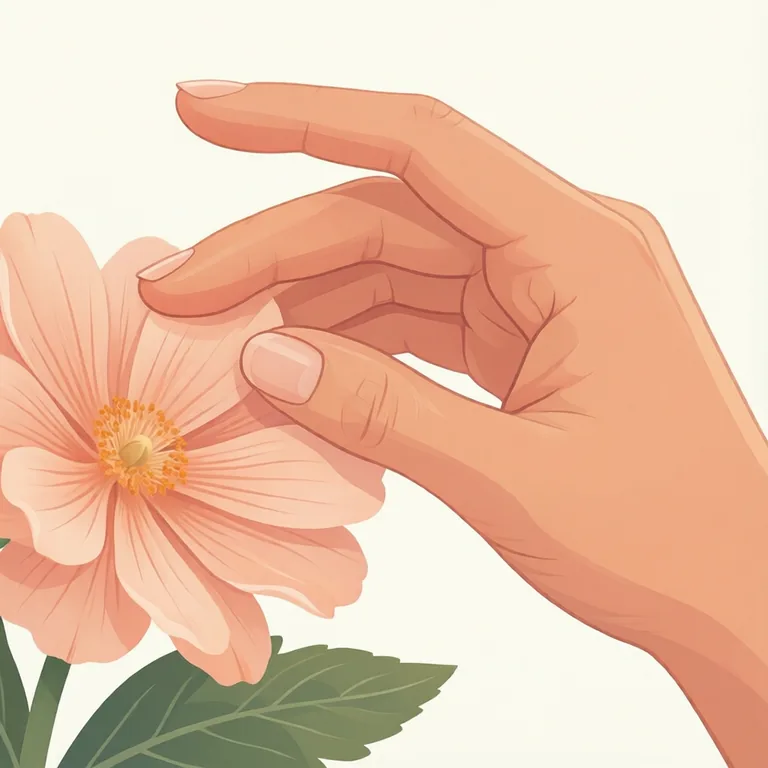
- v. 触摸
- v. 感动
- n. 触觉
- n. 少许
- Definition
- v. to put your hand or fingers on something
- v. to affect someone's feelings
- n. the sense used to feel things
- n. a very small amount
- Example
- Please don't touch the wet paint on the wall.
- 请不要触摸墙上未干的油漆。
Synonyms & Differences 近义词辨析
Compared meaning: the sense of touch (noun).
比较义项:触觉(名词)。
- feeling
Refers to physical sensation in one body part, often about having or losing it (e.g. after cold, injury or numbness), rather than naming the general sense; feeling far more often means an emotion, which is not compared here.
指身体某一部位是否有知觉,常用来说明因受伤、寒冷等而失去或恢复知觉,而不是泛指触觉这种感官本身;feeling 更常见的意思是“情绪、感觉”,这里不作比较。
After the frostbite, she had almost no feeling left in her fingers.
冻伤之后,她的手指几乎失去了知觉。
- touch 本词
The standard name for the sense used to perceive contact, texture and pressure through the skin; used generally, as in 'the sense of touch', not tied to a single body part or to gain/loss of sensation.
指通过皮肤感知接触、质地和压力的感官,是“触觉”这一感官的标准说法,常用于“the sense of touch”这类表达,不特指某个身体部位知觉的有无。
Touch is one of the five senses that help us understand the world.
触觉是帮助我们认识世界的五种感官之一。
Touch and feeling can both mean the sense used to detect contact. Touch is the standard name for this sense. Feeling usually means sensation in one body part, like numbness after cold or injury. Feeling more often means an emotion; that is not compared here.
这两个词都可以表示“触觉”,但用法不同:touch 是五种感官之一的标准说法,常用于“the sense of touch”这类固定搭配;feeling 更常指身体某一部位是否有知觉(如受伤、冻伤后失去知觉),而不是泛指触觉这种感官本身。此外,feeling 更常见的意思是“情绪、感觉”,这里不比较该义项。
Compared meaning: a very small amount (noun).
比较义项:极少量、一点点(名词)。
- touch 本词
Touch suggests a small amount of a quality or flavor added to something, often abstract (humor, sadness, spice); it pairs naturally with 'of' + noun and sounds neutral, everyday.
touch 表示添加到某事物中的少量性质或味道,常用于抽象事物(如幽默、悲伤、香料),常与“of+名词”搭配,语气中性、日常。
Her speech had a touch of humor that made everyone smile.
她的演讲带有一丝幽默,让所有人都笑了。
- pinch
Pinch specifically means the amount you can hold between finger and thumb, almost always a dry or powdery substance like salt or sugar; it is concrete and tied to a physical gesture.
pinch 特指用拇指和食指捏取的量,几乎总是指干燥或粉状的物质(如盐、糖),意义具体,与用手捏取的动作相关。
Add a pinch of salt to the batter before you mix it.
搅拌面糊之前,加一小撮盐。
- mite
Mite is mainly used in the fixed phrase 'a mite' + adjective, meaning 'slightly'; it functions almost like an adverb and has an informal, old-fashioned feel, rather than combining with 'of'.
mite 主要用于固定搭配“a mite+形容词”,意为“稍微”,作用近似副词,语气口语化、略显过时,而不常与“of”搭配。
She seemed a mite nervous before her big presentation.
在做重要演讲之前,她显得有点紧张。
- jot
Jot appears almost only in negative statements like 'not a jot', emphatically denying any amount at all; it is more formal or literary and rarely used to state a positive small amount.
jot 几乎只出现在“not a jot”这类否定句中,强调“一点也没有”,语气较正式或文学化,很少用于肯定句表示少量。
There isn't a jot of evidence to support his claim.
没有一丁点证据能支持他的说法。
Touch, pinch, mite, and jot all mean a very small amount. Touch suggests a small quality, like humor. Pinch is the amount between finger and thumb. Mite means slightly, used as 'a mite' plus adjective. Jot appears almost only in negatives, like 'not a jot'.
这四个词在这个意义上都表示“极少的量”,但语气和搭配各不相同:touch 常修饰抽象的性质或味道,语气中性;pinch 特指用手指捏取的少量,多用于盐、糖等粉状物;mite 常以“a mite+形容词”的形式表示“稍微”,语气随意、略显过时;jot 几乎只出现在否定句中(如 not a jot),强调“一点也没有”,语气较正式。这里不比较 touch 的“触摸”义、pinch 的“捏、掐”义、mite 的“螨虫”义,以及 jot 用作动词表示“匆匆记下”(jot down)的用法。