tame
- adj. 驯服的
- adj. 平淡的
- v. 驯服
- v. 制服
- Definition
- adj. not dangerous or wild
- adj. dull and unexciting
- v. to train an animal to be obedient
- v. to bring under control
- Example
- The zookeeper managed to tame the wild bird over months.
- 动物园管理员花了几个月才把那只野鸟驯服。
Synonyms & Differences 近义词辨析
Compared meaning: an animal that is not wild (adjective).
比较义项:形容动物“不是野生的”(家养的/驯服的)(形容词)。
- domestic
Domestic describes a species or breed raised and controlled by humans for generations, contrasted with 'wild'; it labels a category of animal, not one animal's temperament.
domestic 描述的是经过人类世代饲养和控制的物种或品种,与“野生”相对;它标注的是一个动物类别,而不是某只动物个体的性情。
Wolves are wild animals, but dogs are their domestic relatives bred over thousands of years.
狼是野生动物,但狗是经过数千年饲养而成的驯养近亲。
- tame 本词
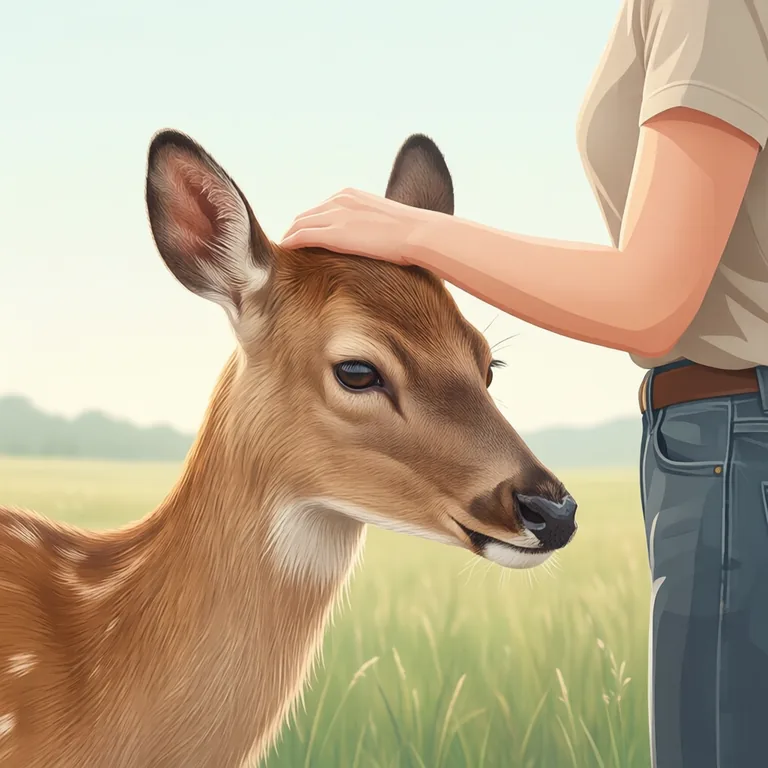
Tame describes an individual animal's calm, unafraid, non-aggressive behavior, often the result of training or contact with humans; even a wild species can become tame.
tame 描述的是某只动物个体温顺、不害怕、不具攻击性的行为表现,通常是训练或与人类长期接触的结果;即使是野生物种的个体,也可能变得驯服。
The rescued deer grew so tame it would eat carrots right out of your hand.
这只获救的鹿变得非常驯服,会直接从你手里吃胡萝卜。
Both describe an animal that is not wild. Domestic labels a whole species or breed raised by humans for generations, not one animal's character. Tame describes a single animal's calm, friendly behavior, often from training. Domestic's 'national' sense is not compared here.
这两个词都能形容动物“不凶野”,但 domestic 强调该物种经过人类世代饲养、驯化,是相对“野生物种”的分类说法;tame 强调某只动物个体性情温顺、不具攻击性,常是训练或长期接触人类的结果,即使是野生物种的个体也可能变得驯服。这里不比较 domestic 的“国内的、家庭的”义项(如 domestic products 指本国产品)。