spot
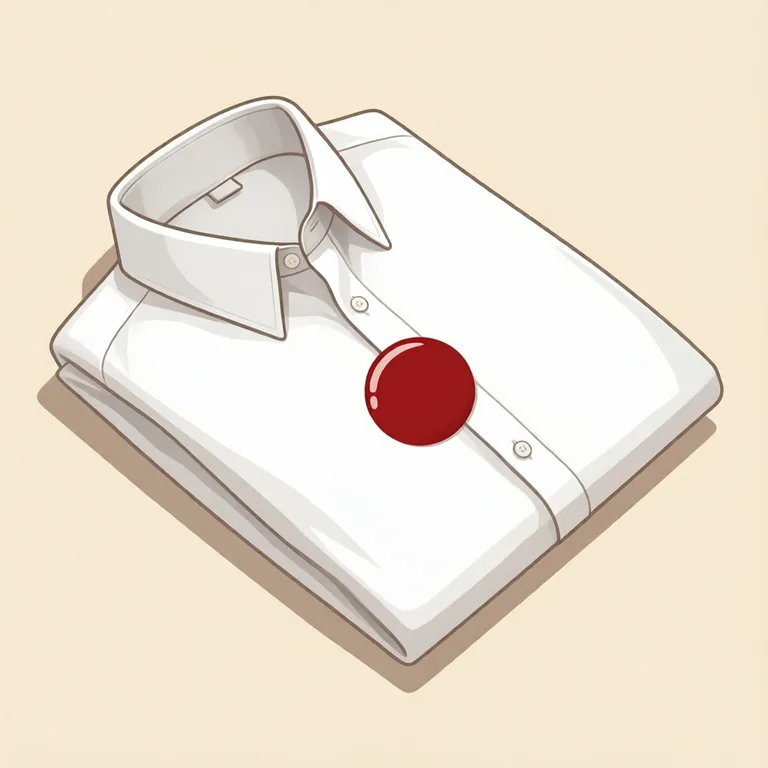
- n. 斑点, 污点
- n. 地点
- n. 少量, 一点
- adj. 当场的, 现场的, 现货的
- Definition
- n. a small mark or stain
- n. a particular place
- n. a small amount of something
- adj. done or paid for immediately, at the place itself
- Example
- This is a great spot for a picnic by the lake.
- 这是湖边一个野餐的好地方。
Synonyms & Differences 近义词辨析
Compared meaning: a small area or mark different from around it (noun).
比较义项:表面上与周围不同的小块/斑点(名词)。
- patch
Patch describes a larger or irregularly shaped area distinct from its surroundings, often used for weather (patches of fog/ice), land, or texture, larger than a spot or fleck.
patch指一块面积较大或形状不规则、与周围明显不同的区域,常用于天气(雾团、冰面)、地面或质地,范围比spot或fleck大。
Patches of fog reduced visibility along the highway this morning.
今天早上,高速公路沿线大片的雾气使能见度降低。
- spot 本词
Spot refers to a small, usually round mark or stain, often from dirt, liquid, or a blemish; the most common everyday word for a mark.
spot指较小的、通常呈圆形的斑点或污渍,多由灰尘、液体或瑕疵造成;是日常生活中最常用的“斑点”一词。
She noticed a grease spot on her white blouse.
她注意到白衬衫上有一块油渍。
- fleck
Fleck refers to a tiny individual speck of color, often occurring in scattered groups rather than alone, giving a surface a speckled look.
fleck指细小的单个色斑,常成群散布出现,使表面呈现斑驳的效果。
Her blue eyes had tiny flecks of gold in them.
她的蓝眼睛里有细小的金色斑点。
Patch, spot, and fleck all describe a small area different from its surroundings, but size differs. Patch is larger and irregular, seen in fog, ice, or land. Spot is a small round mark, like a stain. Fleck is a tiny speck, often in scattered groups.
patch、spot、fleck都表示物体表面上与周围颜色或质地不同的小块痕迹,但范围和形态不同:patch面积较大且形状不规则,spot通常呈小圆点状(常指污渍或标记),fleck则指细小的斑点,常成群散布。此外,这里不比较patch表示“补丁”(缝补用的布片)或非正式的“傻瓜”这两个义项,也不比较spot表示“地点”或“(名誉上的)污点”这两个义项。
Compared meaning: a place (noun).
比较义项:地点(名词)。
- point
Point marks a precise or abstract location, often in a journey, process or scale (e.g. 'point of no return'); it sounds more formal or technical than spot, which suggests a real physical place.
point 表示精确或抽象的位置,常用于旅程、过程或量表中的某一点(如“point of no return,不归点”);它比 spot 更正式、更抽象,而 spot 指的是真实存在的具体场所。
The plane had already passed the point of no return.
飞机已经过了不归点。
- spot 本词
Spot describes a particular, often small physical place chosen for its look or use, common in casual talk about picnics, parking or scenery; it is more concrete and informal than point.
spot 指因景色或用途而被选中的具体(通常较小)实际场所,常用于野餐、停车或风景等口语场合;它比 point 更具体、更口语化。
We found a shady spot under the trees to eat our sandwiches.
我们在树荫下找到一个地方吃三明治。
Point and spot both can mean a place. Point is formal and abstract, a precise spot in a journey or scale. Spot is informal, a real physical place chosen for its look or use. Point's other meaning, an opinion, is not compared here.
这两个词在“地点”这一意义上相近,但 point 更书面、抽象,常指旅程、过程或量表中精确或抽象的某一位置;spot 更口语、具体,常指因景色或用途而被选中的真实场所。这里不比较 point 的“论点、观点”(如 make a point)等其他义项。
Compared meaning: a small amount (noun).
比较义项:少量,一点(名词)。
- spot 本词
Informal and chiefly British; appears mainly in set phrases such as 'a spot of tea' or 'a spot of bother'; sounds quaint or old-fashioned elsewhere.
非正式,主要用于英式英语;多见于“a spot of tea”(喝点茶)或“a spot of bother”(一点麻烦)等固定搭配;用在其他场合显得老派、别扭。
Fancy a spot of tea before we head out?
出发前要不要喝点茶?
- bit
The plain, everyday word for a small amount; neutral in tone, used worldwide, and combines freely with almost any noun.
表示“少量”最普通、日常的词;语气中性,全世界通用,几乎能与任何名词自由搭配。
Can I have a bit of that chocolate cake, please?
我可以吃一点那个巧克力蛋糕吗?
Spot and bit both can mean a small amount, but their tone differs. Spot is informal and mainly British, used in set phrases like 'a spot of tea'. Bit is the plain, everyday word for a small amount, used worldwide with almost any noun.
这两个词都可用于“a ___ of X”结构表示“一点、少量”,但语气和适用范围不同;这里不比较 spot 表示“斑点、地点”的其他常见义项。