slip
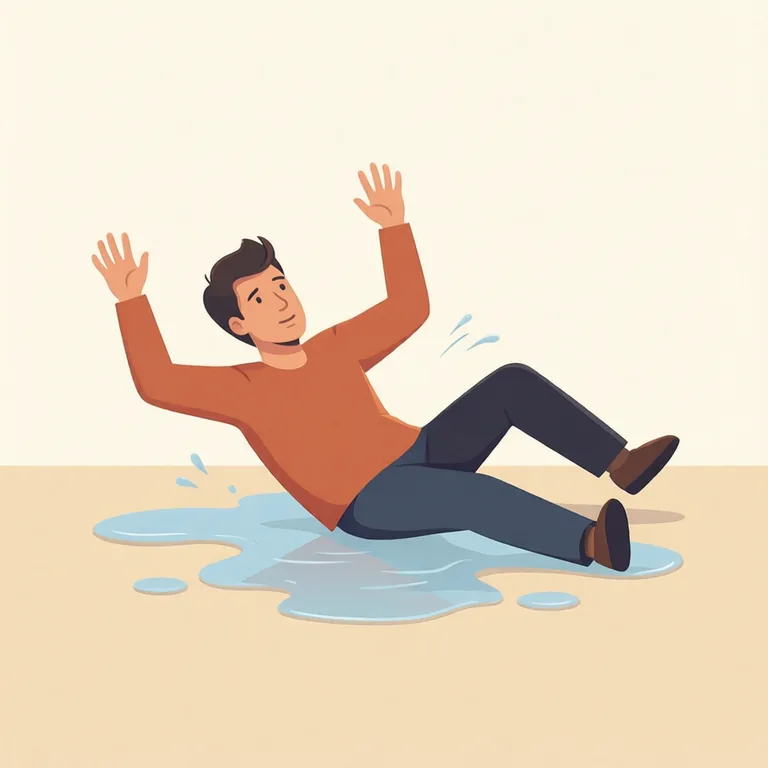
- v. 滑倒
- v. 溜走
- v. 出错
- n. 差错, 滑倒
- n. 纸条, 单据
- n. 衬裙
- Definition
- v. to slide accidentally
- v. to move quietly
- v. to make a small mistake
- n. a small mistake or accident caused by sliding
- n. a small piece of paper, often used for a note or receipt
- n. a woman's sleeveless undergarment worn under a dress
- Example
- Be careful not to slip on the wet floor.
- 小心别在湿地板上滑倒。
Synonyms & Differences 近义词辨析
Compared meaning: losing grip and sliding by accident (verb).
比较义项:意外打滑、滑动(动词)。
- slip 本词
Refers to a person's foot losing grip and sliding, often leading to a stumble or fall; used for floors, steps, or icy surfaces underfoot.
指人的脚下打滑,常常因此绊倒或摔倒;多用于地板、台阶或结冰路面等脚下打滑的情况。
She slipped on the icy step and nearly fell backward.
她在结冰的台阶上滑了一下,差点向后摔倒。
- skid
Refers to a vehicle or its wheels sliding sideways and losing steering control, typically on ice, rain, or oil; not used for people falling.
指车辆或车轮在冰面、雨天或油污路面上侧滑并失去操控,通常不用于人摔倒的情况。
The truck skidded on the icy road and hit the guardrail.
那辆卡车在结冰的路面上打滑,撞上了护栏。
Slip and skid both mean sliding by accident. Slip is for a person's foot losing grip, often causing a fall, as on wet floors or ice. Skid is for a vehicle sliding and losing control, on ice or rain, not for people falling.
slip 和 skid 都表示意外打滑,但 slip 通常指人的脚下打滑,常常因此绊倒或摔倒;skid 通常指车辆或车轮在湿滑路面上打滑、失去控制地滑动,两者的主语和使用场景不同。
Compared meaning: moving away quietly and secretly (verb).
比较义项:溜走,悄悄地移动(动词)。
- steal
Emphasizes deliberate, cautious secrecy, often in literary or dramatic contexts (e.g. steal away, steal across); can suggest guilt or special care not to be seen.
强调刻意而谨慎的隐秘动作,常见于较文学化、戏剧化的语境(如steal away、steal across),可能带有一丝愧疚感或格外小心不被发现的意味。
He stole away from the party without saying goodbye to anyone.
他没有跟任何人道别,就悄悄溜出了聚会。
- slip 本词
Emphasizes quiet, smooth, effortless movement; the everyday, neutral choice for leaving or passing unnoticed, without steal's literary or guilty overtone.
强调安静、顺畅、毫不费力的动作,是日常、中性地表示"悄悄溜走/溜过"的常用词,不像steal那样带有文学化或愧疚的意味。
The dog slipped through the gap in the fence before I could stop it.
我还没来得及阻止,狗就从栅栏的缝隙中溜了出去。
Steal and slip both mean to move away quietly, unnoticed. Steal suggests careful, deliberate secrecy and sounds literary, as in 'steal away'. Slip suggests light, natural movement and is the everyday choice. Steal's meaning 'to take' and slip's meaning 'to lose footing' are not compared.
这两个词在"悄悄溜走"这一义项上意思相近,容易混淆:steal强调刻意、谨慎地隐秘行动,语气偏文学化;slip则强调动作轻巧自然,是日常更常用的说法。这里不比较steal"偷窃"(拿走不属于自己的东西)的义项,也不比较slip"滑倒"(在湿滑表面上失去平衡)的义项。
Compared meaning: to make a small mistake (verb).
比较义项:犯小错误、出错(动词)。
- slip 本词
Informal, describing a small, usually unintentional lapse in speech, memory or behaviour; suggests something momentary and forgivable, not a serious error.
较为口语化,指言语、记忆或行为上一次短暂、无意的小失误,给人一种可以原谅、不算严重的感觉。
She slipped and called her new boss by her ex's name.
她一时说错,把新老板叫成了前男友的名字。
- err
More formal or literary, meaning to make a mistake or misjudgement; often paired with 'on the side of' and can imply a broader or more serious wrongdoing.
较为正式或书面化,意为犯错误或判断失误,常见于固定搭配(err on the side of caution,宁可…也要…),也可能暗指范围更广或更严重的过错。
The judge admitted he had erred in his ruling.
法官承认自己在裁决中犯了错误。
Slip and err both mean to make a small mistake. Slip is informal, describing a small, unintentional lapse in speech or memory that is easy to forgive. Err is more formal and literary, often used in the phrase 'err on the side of caution'.
这两个词在犯错这一义项上意思相近,但语气不同:slip较为随意、口语化,指无意间的小失误;err更正式、书面化,常出现在err on the side of caution这样的固定搭配中,语气更严肃。这里不比较slip的其他常见义项(如滑倒)。