slash
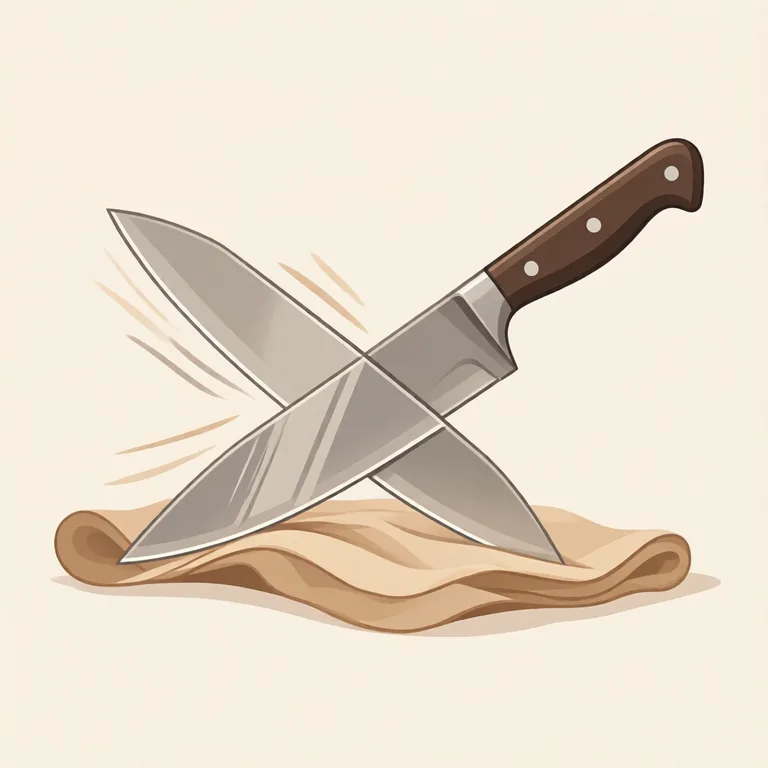
- v. 猛砍, 乱砍
- v. 削减, 大幅降低
- n. 刀伤
- n. 削减
- n. 斜线, 正斜杠
- Definition
- v. to cut something with a quick strong movement
- v. to cut a price or cost by a large amount
- n. a long deep cut
- n. a large sudden reduction
- n. a punctuation mark (/) used to separate letters or numbers
- Example
- The company had to slash prices to attract more customers.
- 公司不得不大幅降价以吸引更多顾客。
Synonyms & Differences 近义词辨析
Compared meaning: cut deeply or forcefully with a sharp tool (verb).
比较义项:用利器猛力或深深切开某物(动词)。
- slash 本词
Slash means to cut with a quick, forceful sweeping motion, often using a blade or weapon, and is also used figuratively for a sudden sharp reduction, as in slashing prices or budgets.
slash 指用刀刃等利器猛力挥砍,动作迅猛有力;也可比喻大幅削减,如猛砍价格或预算。
The robber slashed at him with a kitchen knife but missed.
那个劫匪拿着厨房刀朝他猛砍过去,但没砍中。
- gash
Gash means to cut deeply into something, usually skin, leaving a long, open wound; it describes the depth and severity of an accidental cut rather than a deliberate slicing motion.
gash 指深深割破某物(通常是皮肉),留下又长又深的伤口;强调伤口的深度和严重程度,多指意外造成的伤,而非有意的挥砍动作。
He gashed his forehead badly when he slipped on the ice.
他在冰面上滑倒时,额头被严重割破了。
Slash and gash both mean to cut with a sharp tool. Slash describes a quick, forceful, sweeping cutting motion, and is also used figuratively, as in slashing prices. Gash describes a deep wound left by a cut, usually from an accident.
这两个词都表示“用利器把某物割开”,但语气和侧重不同:slash 强调挥动利器猛力切割的动作,且常用于比喻义(如大幅削减价格);gash 强调切割后留下的深长伤口,多指意外造成的严重创伤,没有比喻用法。