sicken
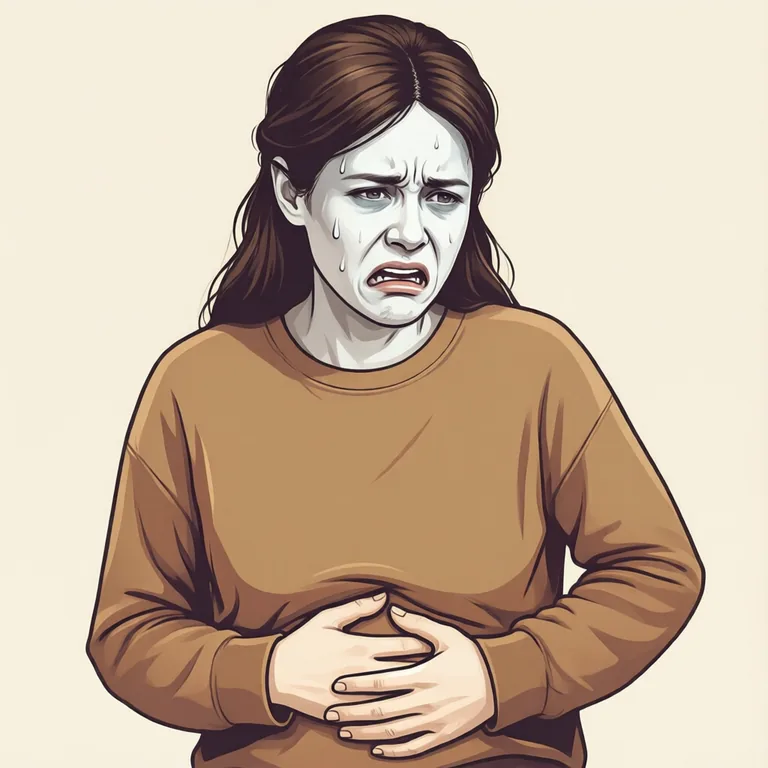
- v. 使恶心, 使厌恶
- v. 生病
- Definition
- v. to make someone feel ill or disgusted
- v. to become ill
- Example
- The smell from the garbage began to sicken the workers.
- 垃圾散发出的臭味开始让工人们感到恶心。
Synonyms & Differences 近义词辨析
Compared meaning: to cause a strong feeling of disgust (verb).
比较义项:(使人)产生强烈的厌恶感(动词)。
- disgust
Transitive causative verb: the subject causes disgust in someone else; the default, most common everyday choice for both moral and physical revulsion.
及物致使动词:主语使他人产生厌恶感;是日常最通用的词,既可指生理上的反感,也可指道德上的反感。
The way he spoke to the waiter disgusted everyone at the table.
他对服务员说话的方式让餐桌上的每个人都感到厌恶。
- revolt
Used intransitively with 'at': the subject itself feels strong disgust, unlike disgust or sicken, which describe causing disgust in someone else; more formal and literary in tone.
常与介词 at 连用作不及物动词:主语本身对某事产生强烈的厌恶感,这与 disgust、sicken(主语使他人产生厌恶)不同;语气更书面、更文学化。
He revolted at the thought of eating raw insects for dinner.
一想到晚餐要吃生昆虫,他就感到强烈的厌恶。
- sicken 本词
Transitive causative verb like disgust, but adds a sense of building nausea or sickness, often paired with 'began to' for a gradual reaction; frequently used about upsetting news or cruelty.
和 disgust 一样是及物致使动词,但更强调逐渐产生的恶心或反胃感,常与 began to 连用;多用于描述令人不安的新闻或残忍行为。
Reports of the abuse began to sicken people across the country.
有关虐待事件的报道开始让全国民众感到恶心。
Disgust, revolt, and sicken can all mean to cause strong disgust. Disgust is transitive: the subject causes disgust in someone else, the most common choice. Revolt, used with 'at', means the subject itself feels disgust, sounding literary. Sicken adds a sense of growing nausea.
这三个词都可以表达“(使人)产生强烈的厌恶感”,但用法和语气不同:disgust 最通用,是及物致使动词,主语使他人产生厌恶;revolt 在这一义项中常以不及物形式“revolt at”出现,指主语自己对某事感到厌恶,语气更书面、更文学化;sicken 同样是致使动词,但更强调逐渐产生的恶心、反胃感,常与 began to 搭配。这里不比较 revolt 的“反抗、起义”义,也不比较 sicken 表示“患病”的用法。