shrink
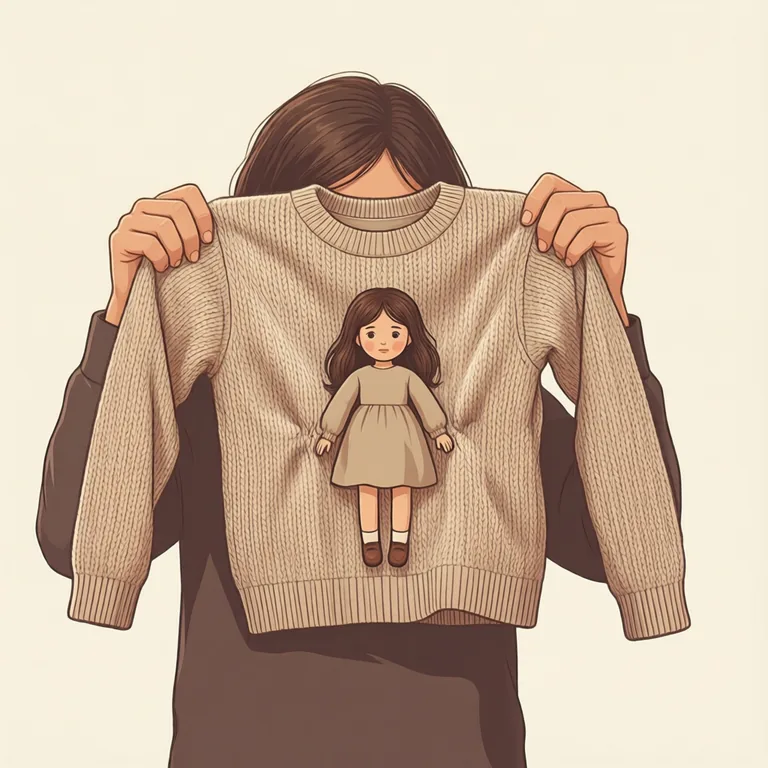
- v. 缩小
- v. 退缩
- n. 收缩
- n. 精神病医生
- Definition
- v. to become smaller
- v. to move back because of fear
- n. the act of becoming smaller
- n. an informal name for a psychiatrist
- Example
- The wool sweater began to shrink after the first wash.
- 这件羊毛衫第一次洗过后就开始缩水了。
Synonyms & Differences 近义词辨析
Compared meaning: to become smaller (verb).
比较义项:使缩小、变小(动词)。
- contract
Formal, technical register; used for gradual or measurable size decrease, e.g. metal, muscles, pupils, gases in science or medical contexts.
语域正式、偏技术性;用于描述渐进或可测量的体积缩小,例如金属、肌肉、瞳孔、气体等科学或医学语境。
Metal pipes contract slightly in cold weather and expand again in heat.
金属管道在寒冷天气中会略微收缩,遇热后又会膨胀。
- shrink 本词
Everyday, informal word; commonly used for fabric or clothing losing size after washing or heat, also figuratively for amounts or budgets.
日常口语常用词;常用于衣物或布料经清洗或受热后缩水,也可比喻用于数量或预算的减少。
The wool sweater began to shrink after the first wash.
这件羊毛衫第一次洗涤后就开始缩水。
Contract and shrink both mean to become smaller. Contract is formal and technical, used for a gradual, measurable decrease, like metal, muscles, or gases in science or medicine. Shrink is everyday and informal, often used for clothes losing size after washing, or amounts decreasing.
这两个词都可以表示物体变小,但语域和搭配不同:contract 是较正式、书面化的用词,常见于科学、医学或技术语境;shrink 是日常口语常用词,尤其常与衣物、布料遇水或加热后缩水连用。这里不比较 contract 的“签订(合同)”这一常见义项。
Compared meaning: to draw back from fear, pain, or embarrassment (verb).
比较义项:因恐惧、疼痛或尴尬而退缩、畏缩(动词)。
- shrink 本词
Shrink emphasizes avoiding or drawing back from something out of fear, often used with 'from' plus a noun or gerund, suggesting reluctance rather than a quick physical reflex.
shrink 强调因害怕而回避、退缩,常与“from + 名词/动名词”连用,表示不情愿去面对某事,而不是瞬间的生理反射动作。
She shrank from the idea of speaking in front of such a large crowd.
一想到要在这么多人面前讲话,她就退缩了。
- wince
Wince describes a brief facial grimace or slight bodily reaction caused by sudden physical pain, focusing on the visible expression rather than a large movement away.
wince 指因突然的疼痛而做出短暂的面部表情或轻微的身体反应,重点在于那种可见的表情,而不是大幅度地后退。
She winced when the dentist touched her sensitive tooth.
牙医碰到她敏感的牙齿时,她疼得皱了皱眉。
- flinch
Flinch highlights an instinctive, often small physical movement away from an expected blow, pain, or threat; it is commonly used to describe courage when someone 'doesn't flinch'.
flinch 强调面对预期的打击、疼痛或威胁时本能的、通常很小的身体后退动作,常用“didn't flinch”来表示某人毫不畏惧、很有勇气。
He didn't flinch when the balloon suddenly popped next to his ear.
气球突然在他耳边炸开,他却毫不退缩。
- cringe
Cringe focuses on the uncomfortable, often lingering feeling of embarrassment, for oneself or someone else, and does not necessarily involve any physical movement or actual pain.
cringe 强调因尴尬(可能是替自己或替别人感到尴尬)而产生的不舒服、常常持续更久的感觉,不一定伴有实际的身体动作,也和真正的疼痛无关。
I cringe every time I think about the joke I told at the meeting.
每次想起我在会议上讲的那个笑话,我都觉得尴尬。
Shrink, wince, flinch, and cringe mean to draw back from fear, pain, or embarrassment. Shrink means to avoid something from fear. Wince is a quick reaction to sudden pain. Flinch is a small, instinctive move away from a threat. Cringe is the feeling of embarrassment.
这几个词都表示因恐惧、疼痛或尴尬而身体或情绪上有所退缩,但侧重点不同:wince 和 flinch 强调瞬间的生理反应,cringe 偏重尴尬带来的不适感,shrink 则强调因害怕而回避、退缩不前。这里不比较 shrink 表示“(衣物等)缩水、变小”的常见义项。