short
- adj. 短的
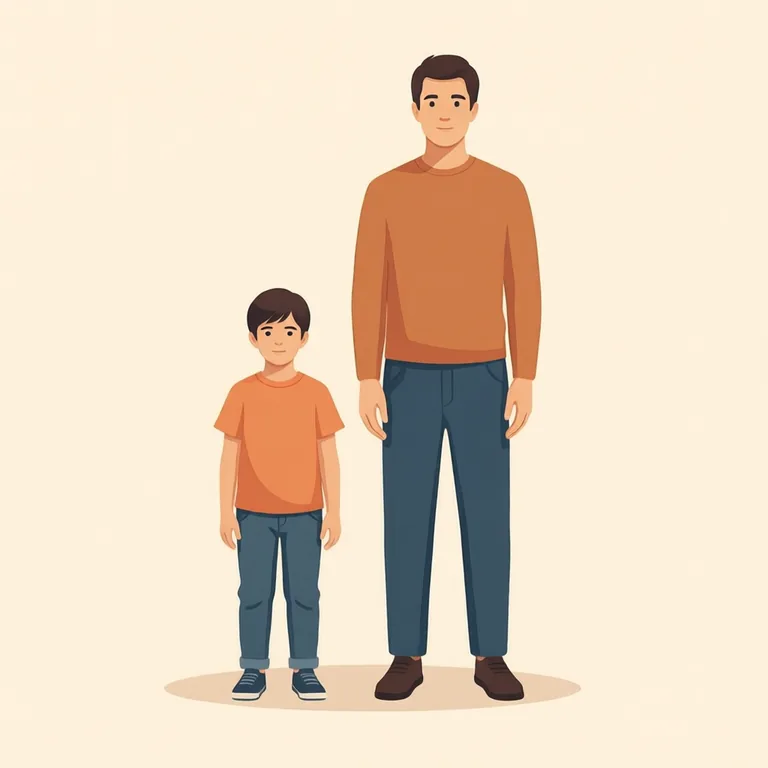
- adj. 矮的
- adj. 短暂的
- adj. 不足的, 短缺的
- adv. 简短地
- adv. 突然地
- Definition
- adj. small in length or distance
- adj. small in height
- adj. small in duration
- adj. not having enough of something
- adv. in a brief way
- adv. suddenly
- Example
- His answer was short but very clear.
- 他的回答很简短,但非常清楚。
Synonyms & Differences 近义词辨析
Compared meaning: small in height, size, or build (adjective).
比较义项:形容长度、体积或身材“矮小、短小”(形容词)。
- short 本词
The everyday, neutral word for below-average height or length; it says nothing about width, so a person or thing can be short and slim, unlike squat or chunky, which both add bulk.
日常、中性的词,表示长度或身高低于平均水平;它不涉及宽度,因此人或物可以在short的同时依然纤细,这一点不同于都暗示“粗壮”的squat和chunky。
She is short but slender, unlike her stocky brother.
她个子short,很苗条,不像她那魁梧的哥哥。
- squat
Combines shortness with noticeable width or thickness, used for people, animals, or objects with a low, solid stance; often carries a slightly unflattering or unattractive tone.
把“矮”和明显的“宽、粗壮”结合在一起,常用来形容人、动物或姿态低矮扎实的物体;squat往往还带一点不好看、不讨喜的语气。
The bulldog has a squat, muscular body close to the ground.
这只斗牛犬身材squat,肌肉发达,紧贴地面。
- compact
Focuses on efficient use of space rather than shortness or body build; used for objects like cars, cameras, or kitchens, with a positive, practical tone, almost never describing a person's height.
强调的是空间利用的高效,而不是矮小或体型;compact常用来形容汽车、相机、厨房等物品,带有积极、实用的语气,几乎不用来形容人的身高。
This compact camera fits easily into a small pocket.
这款compact相机很容易装进小口袋。
- chunky
Describes a short, heavily built body, similar to squat but more casual and applied mainly to people or thickly cut things; it stresses bulk and solidity more than simply a lack of height.
形容矮壮结实的体型,和squat类似,但chunky语气更随意,主要用于形容人(或切得很厚的食物);它更强调厚实、健壮,而不只是不高。
He's a chunky guy with broad shoulders and thick arms.
他是个chunky的男人,肩膀宽阔,手臂粗壮。
Short, squat, compact, and chunky can all mean small in size. Short is neutral and common, just meaning below-average height. Squat and chunky both add width or bulk, with a slightly negative, casual tone. Compact stresses efficient use of space, mainly for objects, not people.
这四个词都能表示“个子矮小”或“尺寸小”,但语气和侧重点不同:short最中性、最常用;squat和chunky都强调矮壮结实,语气偏随意甚至略带贬义;compact侧重节省空间、多用于物品而非人。这里不比较squat作动词的“蹲下”义、compact作名词的“协议”义,以及short表示“简短的、无礼的、缺少的”等其他义项。
Compared meaning: lasting only a short time (adjective).
比较义项:短暂的,持续时间短(形容词)。
- short 本词
The most common, neutral word for limited duration; used in everyday speech about almost anything, from breaks to lives, without special formality or literary flavor.
最常见、最中性的表示时间短的词;用于日常生活中几乎任何事物,从休息到人生,没有特殊的正式感或文学色彩。
We only had time for a short walk before it got dark.
天黑之前我们只来得及散一个短暂的步。
- brief
A more formal word, often describing meetings, talks, or documents that are deliberately kept short and efficient, rather than things that simply pass quickly.
语气更正式,常用来形容会议、谈话或文件被刻意安排得简短高效,而不是自然而然很快过去的事物。
The doctor gave a brief explanation before the surgery began.
手术开始前,医生做了一个简短的说明。
- fugitive
A rare, literary word for something abstract that vanishes almost as soon as it appears, such as joy or beauty; not used in ordinary conversation.
一个罕见的文学用词,形容抽象事物几乎一出现就消失,比如欢乐或美;日常口语中不使用。
The poem mourns the fugitive beauty of youth, gone before we notice.
这首诗哀叹青春那稍纵即逝的美,还没察觉就已经消逝。
- fleeting
Describes moments, glances, emotions, or impressions that pass very quickly and are hard to hold onto; common in both everyday and literary contexts.
形容转瞬即逝、难以把握的瞬间、眼神、情绪或印象;日常和文学语境中都常用。
He gave a fleeting glance at his phone before the meeting started.
会议开始前,他匆匆瞥了一眼手机。
Short, brief, fugitive, and fleeting all mean lasting a short time. Short is common. Brief is formal, for meetings or documents kept short. Fugitive is rare and literary, for things like joy. Fleeting describes moments or feelings that pass. Short's other meanings are not compared.
这几个词都可以表示“持续时间短”,但语气和语域不同:short最普通,brief较正式,fleeting强调转瞬即逝,fugitive多用于文学语境,形容抽象事物稍纵即逝。这里不比较short表示“矮的”或“短的(长度)”等其他义项。
Compared meaning: not enough in amount (adjective).
比较义项:不足的,不够用的(形容词)。
- short 本词
Short is informal and usually predicative, often followed by "of" (short of money/staff) or used alone ("time is short"), describing a temporary shortfall.
short 比较口语化,通常作表语,常与“of”连用(short of money/staff,缺钱、缺人手)或单独使用(time is short,时间不够),表示暂时性的不足。
We're short of staff this week, so everyone is working longer shifts.
这星期我们人手不足,所以大家都要上更长的班。
- inadequate
Inadequate is more formal and evaluative, judging that something fails to meet the standard or amount required for a specific purpose, common in professional or written criticism.
inadequate 更正式,带有评判意味,指某事物未达到特定目的所需的标准或数量,常用于专业或书面的批评语境。
The training program was inadequate to prepare new hires for the job.
这个培训项目不足以让新员工为这份工作做好准备。
- scant
Scant is formal or literary and stresses that an amount is barely enough or almost none, typically used before abstract nouns like attention, evidence or resources.
scant 是正式或书面用语,强调数量少得几乎等于没有,通常用在 attention(关注)、evidence(证据)、resources(资源)等抽象名词前面。
The manager paid scant attention to the safety complaints.
经理对这些安全投诉几乎没有给予关注。
Short, inadequate, and scant all mean not enough. Short is informal, as in 'short of money' or 'time is short'. Inadequate is formal, judging something fails to meet a standard. Scant is formal, stressing an amount is barely enough. Short's other senses are not compared.
这三个词都表示“数量不足、不够用”,但正式程度和搭配不同:short 口语化,常与“of”连用(short of money/staff,缺钱、缺人手)或单独使用(time is short,时间不够),表示暂时性的不足;inadequate 较正式,强调没有达到某个特定目的所需的标准;scant 是书面语,强调数量少得几乎等于没有。这里不比较 short 的“简短的”“矮的”等其他义项。