sharp
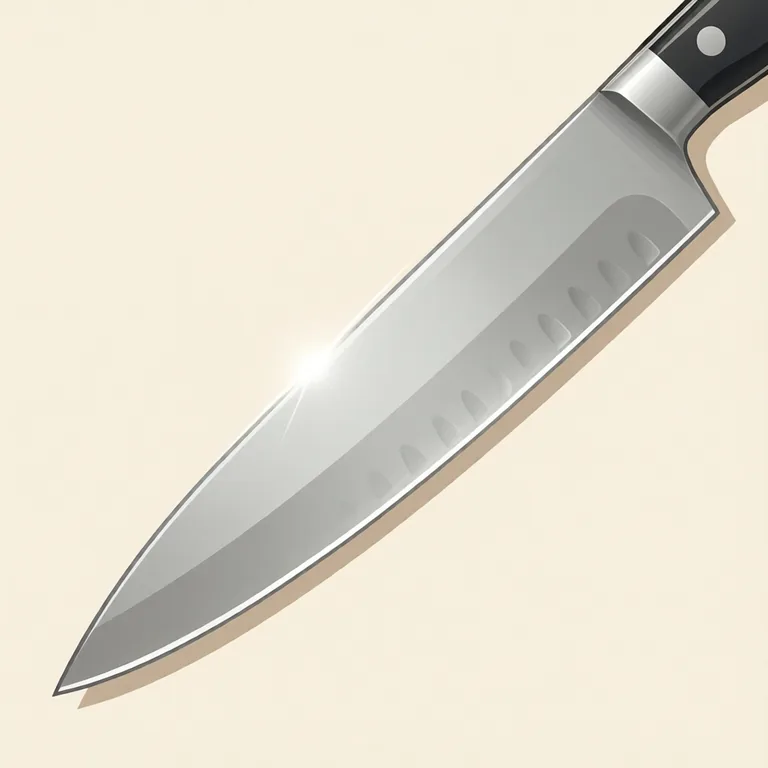
- adj. 锋利的
- adj. 急剧的
- adj. 升半音的
- Definition
- adj. having a fine edge or point
- adj. sudden and noticeable
- adj. (of a note) raised in pitch by a half step
- Example
- Be careful, that kitchen knife is extremely sharp and dangerous.
- 小心,那把菜刀非常锋利,很危险。
Synonyms & Differences 近义词辨析
Compared meaning: sharp, intense, or piercing (adjective).
比较义项:形容尖锐、强烈的性质或感觉(形容词)。
- sharp 本词
Sharp is the general word for an object having a fine edge or point, like a knife; unlike the others, it names a physical property, not a felt sensation or sound.
sharp 是通用词,指物体本身具有锋利的边缘或尖端(如刀),与其他几个词不同,它描述的是物体的物理性质,而不是一种被感知到的感觉或声音。
The chef keeps his knives sharp so they cut vegetables cleanly.
厨师把刀磨得锋利,这样切菜才干净利落。
- acute
Acute describes the intensity of a sensation, especially pain or a medical condition, meaning very sharp in effect; it is not used for physical blades or sounds.
acute 描述一种感觉(尤其是疼痛或病症)的强烈程度,意为“效果上非常尖锐”;它不用于形容刀刃等实物或声音。
The doctor said her stomach pain was acute and needed immediate attention.
医生说她的胃痛很尖锐,需要立即就医。
- piercing
Piercing describes a sound, such as a scream or alarm, that is loud, high-pitched, and sharp enough to hurt the ears; it is not used for pain or blades.
piercing 用来形容尖叫、警报等又响又尖、刺耳到让人耳朵难受的声音;不用于形容疼痛或刀刃。
The piercing scream from the alley made everyone stop and look.
巷子里传来一声尖锐刺耳的尖叫,让每个人都停下脚步张望。
- stabbing
Stabbing describes a sudden, sharp pain that feels like being pierced with something pointed; it is used only for pain, more vivid and informal than acute.
stabbing 形容一种突然而尖锐的疼痛,感觉就像被尖锐的东西刺了一下;它只用于疼痛,比 acute 更形象、更口语化。
He suddenly felt a stabbing pain in his chest and sat down quickly.
他突然感到胸口一阵刺痛,猛地坐了下来。
These four words relate to sharpness, but apply differently. Sharp describes a physical edge, like a knife. Acute describes intense sensations, especially pain. Piercing describes a loud, high-pitched sound that hurts the ears. Stabbing describes a sudden, sharp pain, like being pierced.
这几个词都带有“尖锐”的意味,但适用领域不同:sharp 指物体本身锋利,acute 和 stabbing 都可形容疼痛(acute 偏医学、强调强烈,stabbing 偏口语、强调突然),piercing 则专指声音尖锐刺耳。学习者容易把 sharp 泛用到疼痛或声音的场合,应根据具体对象选用更贴切的词。
Compared meaning: happening suddenly and unexpectedly (adjective).
比较义项:突然发生、出乎意料的(形容词)。
- sudden
A general, neutral word for something happening quickly and without warning; it can describe almost any event, decision, or feeling, with no hint about size or tone.
语气中性、用途最广的词,泛指快速且毫无预兆发生的事情,可用于几乎任何事件、决定或感受,不暗示变化的幅度或语气。
Their sudden decision to move abroad surprised the entire family.
他们突然决定移居国外,让全家人都感到惊讶。
- sharp 本词
Stresses a sudden change that is also large or marked in degree, typically used with measurable things like prices, temperature, turns, or pain; rarely used for decisions or events themselves.
强调变化不仅突然,而且幅度明显,常用于价格、温度、转弯、疼痛等可衡量的事物,很少直接修饰决定或事件本身。
There was a sharp rise in oil prices after the news broke.
消息传出后,油价出现了急剧上涨。
- abrupt
Sudden and unexpected, but often carries a negative tone of being curt, rude, or jarring, especially describing the manner of speech, an ending, or a physical turn.
同样表示突然、出乎意料,但常带有生硬、无礼或令人不适的负面语气,尤其用来形容说话方式、事情的结束或急转的动作。
His reply was so abrupt that it felt almost rude.
他的回答如此生硬突然,几乎显得有些无礼。
Sudden, sharp, and abrupt all mean happening suddenly and unexpectedly, but with different tones. Sudden is the most neutral, general word. Sharp stresses a big change in degree. Abrupt often sounds rude or unpleasant. This does not cover sharp meaning to cut, like a knife.
这三个词都表示「突然、出乎意料」,但语气和用法不同:sudden 最中性通用,sharp 强调变化幅度大,abrupt 常带生硬或无礼的意味。这里不比较 sharp 表示「锋利的」的意思(如 sharp knife)。