senior
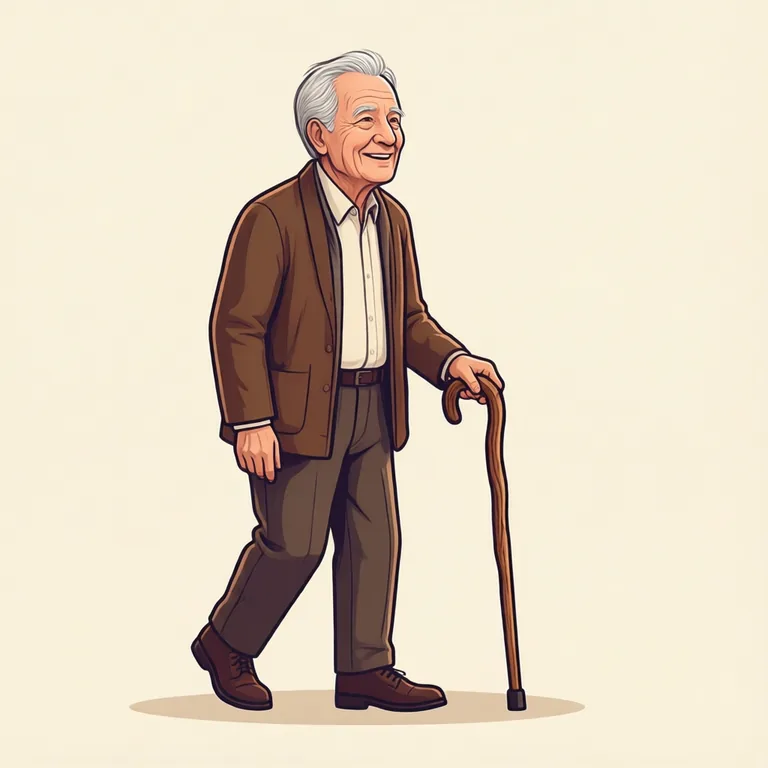
- adj. 年长的
- adj. 高级的
- adj. 资深的
- n. 年长者
- n. 资深者
- n. 毕业班学生
- Definition
- adj. older
- adj. higher in rank
- adj. having more experience
- n. an older person
- n. someone with more experience
- n. a final-year student
- Example
- My grandfather is a senior citizen who still enjoys walking daily.
- 我爷爷是一位老年人,仍然喜欢每天散步。
Synonyms & Differences 近义词辨析
Compared meaning: old in age (adjective).
比较义项:年老的,年龄大(形容词)。
- old
The most general, neutral word for age; can describe people or things; not especially polite or formal, so it can sound blunt when applied to older people.
最常见、最中性的表示“老”的词,可用于人或物;不算特别礼貌或正式,用在老年人身上有时显得直白。
The old man walked slowly down the street every morning.
那位老人每天早上都慢慢地沿着街道走。
- senior 本词
A polite, often formal word specifically for older people, common in fixed phrases like 'senior citizen'; used for institutional or civic contexts, not for objects.
礼貌、较正式的词,专指年长的人,常见于“senior citizen”(老年公民)这类固定搭配;多用于机构或公共场合,不用于物品。
Senior citizens get a discount at the movies on Tuesdays.
老年公民在周二看电影可以享受折扣。
- ancient
Means extremely old, usually describing historical objects, buildings or civilizations rather than living people; using it for a person sounds exaggerated or humorous.
表示“非常古老”,通常描述历史悠久的物品、建筑或文明,而不是在世的人;若用来形容人,会显得夸张或带幽默意味。
The museum displayed ancient coins from a lost civilization.
博物馆展出了一个失落文明的古代钱币。
- elderly
A formal, respectful word for older people, often used in caregiving or public-service contexts to show consideration; not used for objects.
正式、尊敬的词,用来称呼年长者,常见于照护或公共服务场合,表示体贴;不用于描述物品。
Please give up your seat for elderly passengers on the bus.
请在公交车上给年长的乘客让座。
All four describe age. Old is the most general, neutral word, though blunt for older people. Senior is polite and formal, as in 'senior citizen'. Ancient means extremely old, for historical objects, not living people. Elderly is formal and respectful, for older people.
这几个词都能表示“年老的”,但语气和使用对象不同:old 最普通中性,可用于人或物;elderly 是描述老年人更礼貌、正式的说法;senior 常用于“年长公民”这类正式或机构场合;ancient 表示“非常古老”,多用于历史悠久的事物而非在世的人。这里不比较 senior 的“资深的、上级的”义项,也不比较 old 的“以前的、老朋友”等其他用法。
Compared meaning: an older person (noun).
比较义项:年长的人(名词)。
- elder
Elder highlights an older person within a family or community, often implying seniority, wisdom or authority to be respected, as in 'respect for elders' or 'village elders'.
elder 强调家庭或社群中年长的人,常暗含应受尊敬的资历或智慧,如“respect for elders”(尊敬长辈)或“village elders”(村中长者)。
The young man showed great respect for his elders.
这个年轻人对家中的长辈表现出极大的尊重。
- senior 本词
Senior describes an older person more generally, especially in institutional, administrative or everyday contexts such as discounts or facilities, without implying family ties or special authority.
senior 泛指年长的人,多见于机构、行政或日常语境,例如优惠或设施相关场合,不强调家庭关系或特殊权威。
The gym offers discounted membership rates for seniors over sixty-five.
这家健身房为六十五岁以上的老年人提供会员优惠。
Both words can mean an older person. Elder highlights someone older within a family or community, often implying wisdom or respect, as in 'village elders'. Senior describes an older person more generally, in institutional or everyday contexts like discounts, without family ties or special authority.
elder 和 senior 在“年长的人”这个意义上相近,但 elder 更强调家庭或社群中因年长而受尊敬的身份,senior 则更常用于机构或日常语境中泛指老年人。这里不比较 elder 作形容词表示“年龄较大的”(如 elder son)以及 senior 表示“级别较高的”(如 senior manager)等其他用法。