scatter
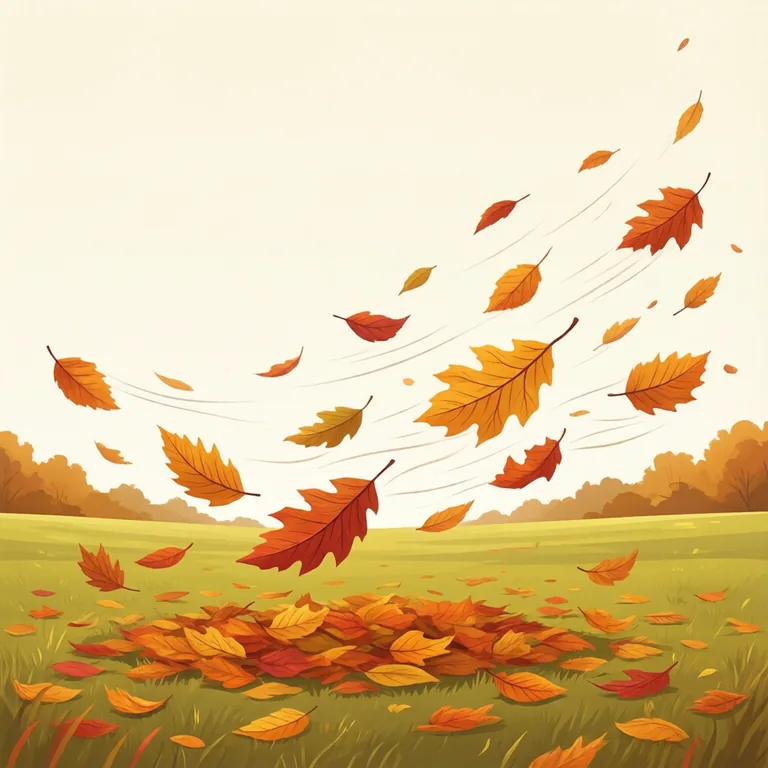
- v. 四散, 散开
- v. 散布
- n. 散布, 分散
- Definition
- v. to move quickly in different directions
- v. to spread widely
- n. the act of throwing or spreading things over a wide area
- Example
- The wind will scatter these leaves all across the yard tonight.
- 今晚风会把这些树叶吹得满院子都是。
Synonyms & Differences 近义词辨析
Compared meaning: to spread out in different directions (verb).
比较义项:四散,向不同方向散开(动词)。
- scatter 本词
Scatter suggests a quick, often disorderly spreading caused by wind, fear, or force; it's common and informal, and fits leaves, animals, or loose objects best.
scatter 强调快速、常显得杂乱无序地散开,多由风、恐惧或外力引起;它更口语化、更常用,适合描述树叶、动物或散落物品等的散开。
The wind will scatter these leaves all across the yard tonight.
今晚风会把这些树叶吹散得满院子都是。
- disperse
Disperse is more formal and implies an orderly separation, typically used for crowds, smoke, or gas that spreads out following an instruction or over time.
disperse 更为正式,暗示一种较为有序的散开,通常用于人群、烟雾或气体等在指令下或随时间推移而散开。
The police asked the crowd to disperse quietly after the concert.
音乐会结束后,警察要求人群安静地散开。
Scatter and disperse both mean to spread out in different directions, but differ in tone. Scatter is informal, suggesting a quick, messy spreading caused by wind or fear. Disperse is more formal, suggesting an orderly separation, used for crowds, smoke, or gas spreading over time.
这两个词在“向不同方向散开”这一意义上很接近,但语气和使用场合不同:scatter 更口语化,强调快速、常显得杂乱无章地散开,多由风、恐惧或外力引起;disperse 更正式,常指人群、气体等在指令或自然力作用下较为有序地散开。
Compared meaning: to spread small things over a surface (verb).
比较义项:把某种细小的东西撒/散布在物体表面上(动词)。
- dust
Means applying a thin, even layer of fine powder onto a surface; the same word can also mean the opposite — removing dust — so context decides which meaning is meant.
指把一层薄而均匀的细粉末撒在某个表面上;同一个词也可以表示相反的意思——掸掉灰尘——具体含义需要根据上下文判断。
The detective dusted the doorknob with fine powder to find fingerprints.
侦探在门把手上撒了一层细粉末以寻找指纹。
- scatter 本词
Suggests spreading distinct items over a wide area, often loosely or carelessly, rather than applying a fine substance; commonly used for things like leaves, seeds or papers.
强调把一些独立的物件大范围地、常常是随意地撒开,而不是涂撒一种细小的物质;常用于树叶、种子或纸张之类的东西。
The wind scattered dry leaves all across the empty parking lot.
大风把干树叶吹得散落在整个空停车场里。
- dot
Describes many separate items or points positioned at intervals across an area, so the result looks like a pattern of dots; often describes a scene rather than an action someone performs.
指许多独立的物体或点分布在一片区域中,使结果看起来像一个个的点;这个词常用来描绘一个场景,而不是某人主动进行的动作。
Small white farmhouses dot the green hillside in that region.
在那个地区,一座座白色的小农舍点缀在绿色的山坡上。
- sprinkle
Refers to adding a small amount of liquid drops or granular pieces here and there over a surface, gentler and smaller in quantity than scattering.
指把少量的液滴或颗粒状的东西一点点地洒在表面上,比scatter的量更少、动作更轻柔。
She sprinkled a few drops of water onto the dry plants.
她把几滴水洒在干枯的植物上。
Dust, scatter, dot, and sprinkle all mean spreading things over a surface. Dust applies powder; it can also mean removing dust, not compared here. Scatter throws items over a wide area. Dot shows many items across an area. Sprinkle adds a few drops or grains.
这四个词在“把细小的东西撒/散布在表面上”这一意思上很接近,但撒的对象、方式和语气有所不同:dust强调撒的是细粉末,且常用于烹饪、清洁或勘查指纹等场景;sprinkle强调少量的液滴或颗粒状物一点点地洒下,动作更轻柔;scatter强调把独立的物件大范围地、常常随意地撒开;dot强调许多独立的点或物体分布在一片区域中,常用来描绘场景而非某人主动做的动作。这里不比较dust的“掸去灰尘”这一相反义项,也不比较dot的“加标点”等其他义项。