savage
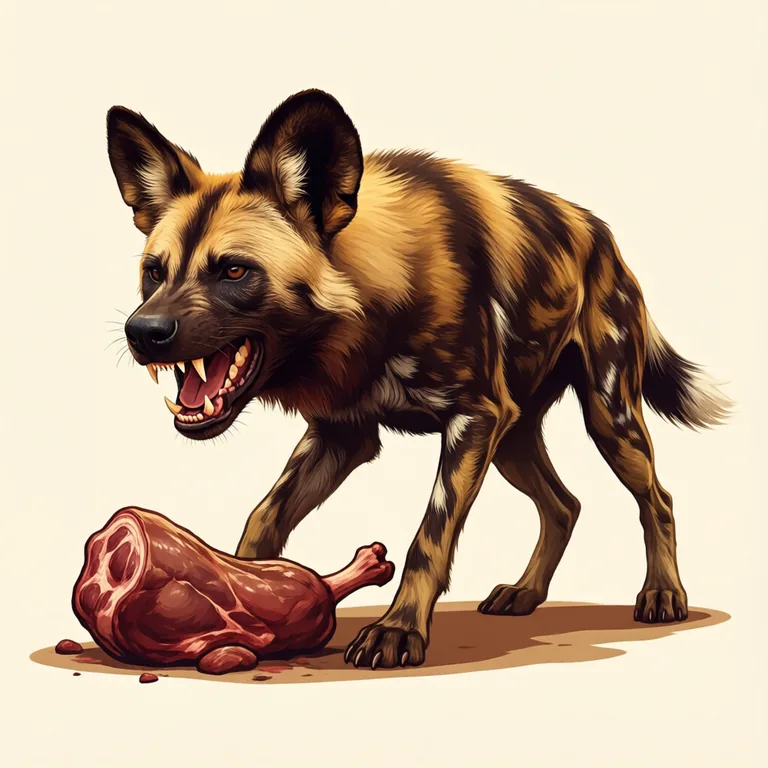
- adj. 凶猛的, 残暴的, 狂暴的
- v. 猛烈攻击, 袭击
- Definition
- adj. fierce, violent, and uncontrolled
- v. to attack someone or something violently
- Example
- The wild dog looked savage as it guarded its food.
- 那只野狗守着食物时看起来很凶猛。
Synonyms & Differences 近义词辨析
Compared meaning: violent, aggressive, or destructive (adjective).
比较义项:猛烈、具有攻击性或破坏性的(形容词)。
- violent
The plain, literal term for physical force that causes real harm or damage, without any added sense of extra intensity or brutality.
是表示造成真实伤害或损害的武力的直白说法,不带额外的强度或残忍意味。
The protest turned violent, and several shop windows were smashed.
抗议活动演变为暴力冲突,几家店铺的橱窗被砸碎了。
- fierce
Stresses aggressive intensity or strong feeling rather than actual physical harm; common for competitions, arguments or determination, sometimes even admiring in tone.
强调强烈的攻击性或情绪强度,而不一定造成实际的身体伤害;常用于竞争、争论或决心等场合,语气有时甚至带有赞赏的意味。
There is fierce competition among students for the top university places.
学生之间为了顶尖大学的名额展开着激烈的竞争。
- furious
Highlights an extreme degree of intensity and speed, often describing storms, battles or a fast, relentless pace; the most dramatic and forceful in register.
强调达到极致的强度和速度,常用来形容暴风雨、战斗或急促猛烈的节奏;语气是这几个词中最强烈、最有戏剧性的。
The two armies fought at a furious pace throughout the long night.
两支军队整个漫长的夜晚都以极其猛烈的速度交战。
- savage 本词
Implies brutal, merciless ferocity, often suggesting something wild or animal-like; can also describe harshly cruel criticism.
暗示残忍、毫不留情的凶猛,常带有野蛮或类似野兽的意味;也可以用来形容尖刻残酷的批评。
The savage attack by two stray dogs left the postman badly hurt.
两只流浪狗的凶残袭击让邮递员身受重伤。
All four describe something strong, destructive, or aggressive. Violent means physical force that causes harm. Fierce means aggression or intensity without real harm. Furious means extreme intensity and speed. Savage means cruel, uncontrolled ferocity. Furious can mean angry; savage can mean uncivilized; not compared here.
这几个词都可以形容具有强大破坏力或攻击性的事物,但侧重点不同:violent 只强调造成伤害的物理力量,fierce 强调攻击性或强度但未必造成实际伤害,furious 强调达到极致的猛烈程度和速度,savage 则强调残忍、不受控制的凶残。这里不比较 furious 常见的“非常生气的”这一含义,也不比较 savage 表示“野蛮、未开化的(人)”这一含义。
Compared meaning: cruel and uncivilized (adjective).
比较义项:残暴、野蛮、不文明的(形容词)。
- savage 本词
Describes violent, fierce behavior or appearance, especially of animals, weather, or physical attacks; a common, everyday adjective with no special judgment about culture or civilization.
描述凶猛、暴力的行为或外表,常用于动物、天气或人身攻击;是常见的日常形容词,不涉及对文化或文明程度的评判。
The savage dog attacked the mailman, biting his leg badly.
那只凶猛的狗袭击了邮递员,狠狠咬伤了他的腿。
- barbarian
Describes something belonging to or resembling an uncivilized, tribal past, often historical or fictional in tone; less common as an adjective and rarely used for modern actions.
描述属于或类似未开化、部落时代的事物,语气常带有历史或虚构色彩;作形容词较少见,很少用来形容现代的行为。
In the film, a barbarian warrior stormed into the castle, sword raised.
在电影里,一个野蛮的战士挥剑冲进了城堡。
- barbaric
Passes strong moral judgment on a specific act or custom as shockingly cruel and inhuman, implying it falls below the standards of civilized society; formal register.
对某一具体行为或习俗作出强烈的道德谴责,认为其残忍到令人震惊、不合人道,暗示其低于文明社会的标准;属于较正式的用语。
Many nations have banned the barbaric practice of hunting animals for sport.
许多国家已经禁止了以猎杀动物取乐这种野蛮残忍的行为。
All three mean cruel and uncivilized. Savage is common and neutral, for animals or violent attacks. Barbarian evokes an uncivilized, tribal past, historical or fictional. Barbaric condemns an act as cruel, in formal writing. Both barbarian and savage also work as nouns; not compared here.
这三个词在形容“残暴、野蛮”时意思相近,容易混淆,但语气强弱和使用场合不同;savage 语气最日常、中性,barbarian 带历史或虚构色彩,barbaric 则带强烈的道德谴责。这里不比较 barbarian 常见的名词用法(指“野蛮人”),也不比较 savage 作名词或动词的其他用法。