ruler
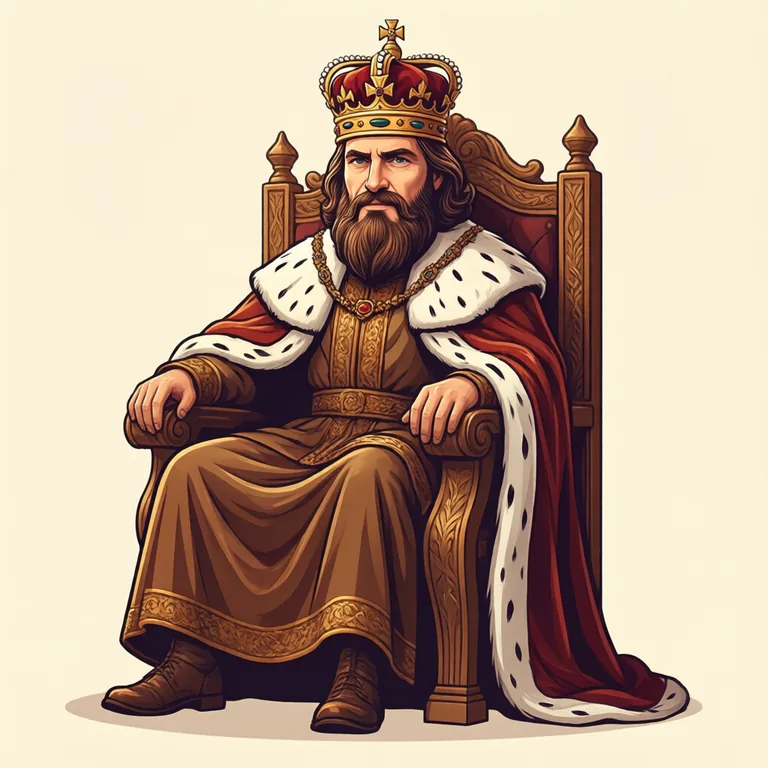
- n. 统治者
- n. 尺子
- Definition
- n. a person who governs a country
- n. a flat strip used for measuring and drawing straight lines
- Example
- He used a wooden ruler to draw a straight line.
- 他用一把木尺画了一条直线。
Synonyms & Differences 近义词辨析
Compared meaning: a tool for measuring or drawing lines (noun).
比较义项:尺子(用于测量或画直线的工具)(名词)。
- rule
An old-fashioned or trade term for a ruler, mainly surviving in set phrases like "folding rule" or "steel rule" used by carpenters and machinists; sounds dated or technical in everyday speech.
指“尺子”的陈旧或行业说法,主要保留在“folding rule”“steel rule”这类固定搭配中,木工、机械工常用;单独使用在日常口语中显得过时或专业化。
The carpenter measured the board with a folding rule.
那位木匠用一把折叠尺量了那块木板。
- ruler 本词
The everyday, neutral word for this flat measuring tool, used especially by students and in general contexts for drawing straight lines; the normal modern choice.
指这种扁平测量工具的日常中性说法,尤其是学生常用,也用于一般场合画直线;是现代英语中最常见、自然的说法。
She used a wooden ruler to draw a straight line under the title.
她用一把木尺在标题下面画了一条直线。
Rule and ruler can both mean this measuring tool, but rule sounds old-fashioned. Rule mainly survives in set phrases like 'folding rule', used by carpenters and machinists. Ruler is the everyday word, used especially by students for drawing lines. Rule meaning 'regulation' is not compared.
这两个词在“尺子”这一义项上意思相近,但语体和使用场合不同:ruler是现代日常用语,学生、办公场景都用它;rule则是较为陈旧或专业(木工、绘图、航海)的说法,多出现在“folding rule”“steel rule”这类固定搭配里,单独使用会显得过时。这里不比较rule表示“规则、规定”的常见义项。