pure
- adj. 纯的, 纯净的, 纯洁的
- adj. 纯粹的, 十足的
- Definition
- adj. not mixed with anything else and completely clean or good
- adj. completely or absolute, used for emphasis
- Example
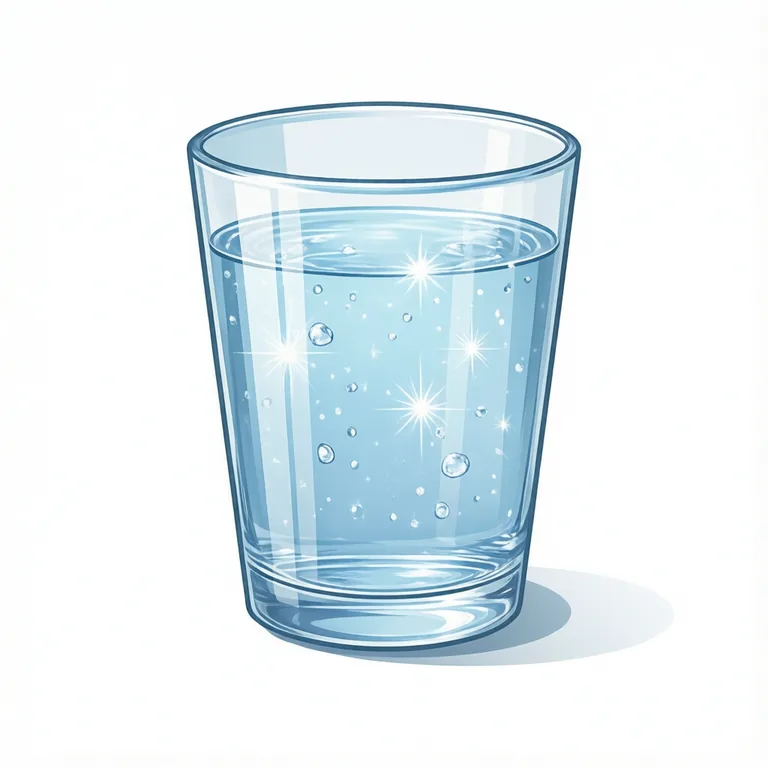
- The water in this lake is remarkably pure and clean.
- 这个湖里的水异常纯净清澈。
Synonyms & Differences 近义词辨析
Compared meaning: clean, natural, and not changed by outside influence (adjective).
比较义项:纯净的,未受污染或影响(形容词)。
- pure 本词
Pure means not mixed with any other substance, or entirely clean and good in quality; it is used broadly for liquids, substances, motives and character, unlike virgin.
pure 表示未混入其他成分,或品质完全洁净、良好;使用范围广泛,可用于液体、物质、动机和品格,不同于 virgin。
Doctors recommend drinking pure water instead of soft drinks every day.
医生建议每天喝纯净水,而不是软饮料。
- virgin
Virgin describes land, forests, or materials still in their original, untouched state, never used or altered by people; it is not used for liquids or general cleanliness like pure.
virgin 表示土地、森林或材料仍处于原始、未经人类使用或改造的状态;不像 pure 那样可用于液体或一般的洁净程度。
Loggers are threatening one of the last patches of virgin forest in the valley.
伐木工人正威胁着这片山谷里最后几块原始森林。
Pure and virgin can both mean clean and untouched. Virgin describes land or materials that are unaltered, never touched by people. Pure means not mixed with anything, or completely clean, for liquids, feelings, or character. Virgin meaning a person with no sexual experience is excluded.
这两个词都可以表示“纯净、未受污染”的状态,但用法差别很大:virgin 强调土地、森林或材料处于原始、未经人类使用或改造的状态;pure 更常指物质未混入其他成分,或品质完全洁净、良好,适用范围更广。此处不比较 virgin 表示“未经性行为的人(处女/处男)”的义项。
Compared meaning: complete or total, used for emphasis (adjective).
比较义项:完全的,十足的(用于强调程度)(形容词)。
- pure 本词
Emphasizes that a quality or state is complete and unmixed with anything else; often used with abstract or sensory nouns like joy, luck, or physical substances; neutral in tone.
强调某种性质或状态是完全的、不掺杂其他成分的;常与抽象或感官类名词搭配,如喜悦、运气或物理物质;语气中性。
It was pure luck that we found the last parking spot downtown.
我们能找到市中心最后一个车位纯粹是运气。
- utter
Only modifies nouns, almost always negative or extreme ones like silence, chaos, or failure; stronger and more formal in tone, common in written or dramatic speech.
只用来修饰名词,几乎都是消极或极端的名词,如沉默、混乱或失败;语气更强烈、更正式,常见于书面语或戏剧性表达。
The meeting descended into utter chaos after the announcement.
宣布消息之后,会议陷入了一片混乱。
Pure and utter both mean complete, for emphasis. Pure usually modifies something felt, like joy, keeping its sense of not mixed with anything. Utter almost always modifies negative or extreme nouns, like silence or failure, sounding stronger and literary. This excludes pure's unmixed sense.
两个词都能表示“十足、彻底”的强调义,但 pure 更常修饰具体的、可感知的性质或状态(如液体、情感),带有“不掺杂质”的本源含义;utter 几乎只用来加强负面或极端的名词(如沉默、失败、混乱),语气更强烈、更书面化。这里不比较 pure 的“纯净、不含杂质”本义(如纯净水)。