play
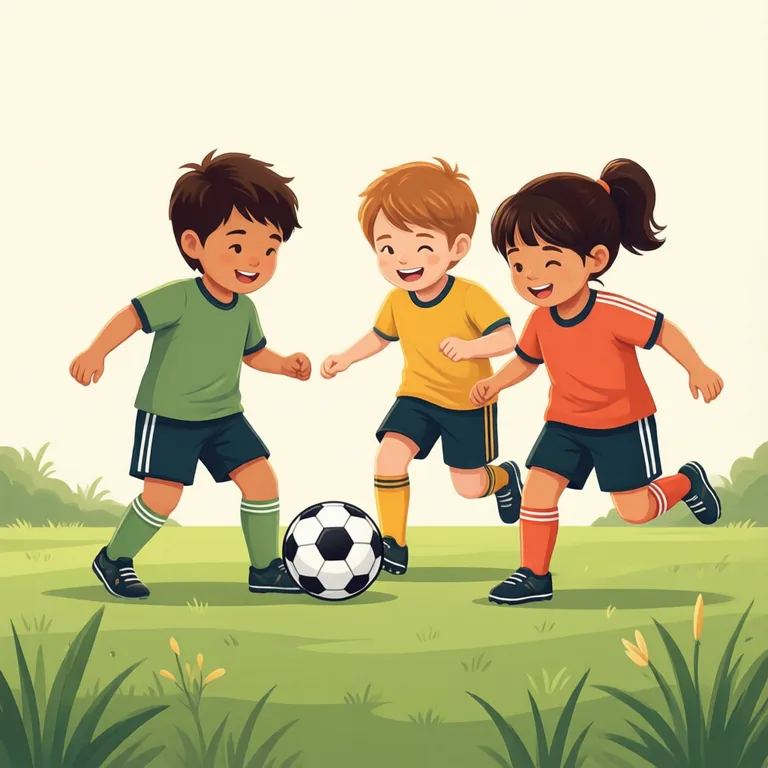
- v. 玩
- v. 表演
- v. 假装
- n. 玩耍
- n. 游戏
- n. 戏剧
- Definition
- v. to take part in a game or activity
- v. to perform or act
- v. to pretend
- n. an act of playing
- n. a game
- n. a theatrical performance
- Example
- The children love to play soccer after school every day.
- 孩子们放学后都喜欢踢足球。
Synonyms & Differences 近义词辨析
Compared meaning: a play or drama performed on stage (noun).
比较义项:戏剧、剧目(名词)。
- play 本词
The general, neutral word for any theatrical work performed on stage, whether comedy, tragedy, or anything lighthearted; common in everyday speech about attending a show.
指舞台上演出的任何一出戏的中性通用说法,可以是喜剧、悲剧或轻松题材的作品;在日常谈论看戏时非常常用。
The elementary school put on a play about a magic forest last winter.
这所小学去年冬天上演了一出关于魔法森林的戏剧。
- drama
Usually refers to a serious, emotionally intense play, as opposed to a comedy; more formal or literary in tone, and less common than 'play' in casual talk.
通常指情节严肃、情感强烈的戏剧作品,与喜剧相对;语气更正式、更文学化,在日常闲聊中不如 play 常用。
Her new drama exploring loss and grief has won several awards this year.
她探讨失去与悲伤的新戏剧作品今年获得了多个奖项。
Both play and drama can mean a work performed in a theater. Play is the general, neutral word for any show. Drama usually means a serious, emotionally intense play, sounding more literary. Not compared: play as a verb (to play), or drama meaning 'real-life conflict'.
在这个意义上,play 和 drama 都可以指“一出戏”,但 play 是最常用、最中性的说法,可以指喜剧、悲剧或其他任何一出戏;drama 更强调情节严肃、情感强烈,语气也更正式、更偏文学化。这里不比较 play 作动词表示“玩耍、做游戏、演奏”的用法,也不比较 drama 在日常口语中表示“(现实生活中的)纠纷、闹剧”的用法。