plain
- adj. 简单的, 清楚的, 朴素的
- n. 平原, 朴实无华的东西
- Definition
- adj. simple, clear, ordinary, not decorated, or not attractive
- n. a large area of flat land, or something plain and unadorned
- Example
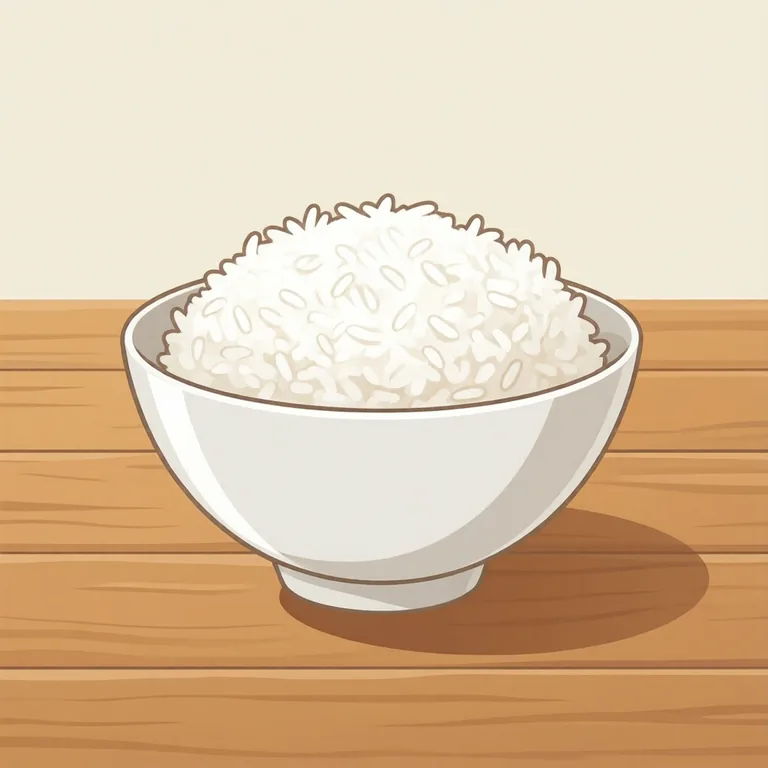
- He prefers plain rice without any sauce or spices on top.
- 他更喜欢吃不加任何酱料或香料的白米饭。
Synonyms & Differences 近义词辨析
Compared meaning: not complicated or decorated (adjective).
比较义项:朴素的,简单的,不复杂或不加修饰的(形容词)。
- simple
Simple stresses that something is easy to understand or not complicated in structure or process, e.g. simple instructions, a simple design, a simple task.
simple强调事物容易理解,结构或过程不复杂,例如简单的说明、简单的设计、简单的任务。
The instructions were simple enough for anyone to follow.
这些说明非常简单,任何人都能看懂照做。
- plain 本词
Plain stresses a lack of decoration or extra features - unadorned, ordinary, without embellishment - often describing food, clothing or style rather than difficulty.
plain强调不加装饰、没有多余的花样——朴素、普通、未经修饰,常用来形容食物、穿着或风格,而不是难易程度。
He prefers plain rice without any sauce or spices on top.
他更喜欢不加任何酱汁或香料的清淡米饭。
Both can mean 'simple, not complicated'. Simple stresses that something is easy to understand, as in simple instructions or a simple task. Plain stresses a lack of decoration, often describing food, clothing, or style. Not covered: plain meaning 'clear', as in a plain statement.
这两个词在“不复杂、朴素”这一意义上很接近,容易混淆:simple强调事物本身容易理解、操作或结构不复杂;plain强调外观上不加装饰、朴素普通,常用于食物、穿着、说话方式等。这里不比较plain的“清楚的”这一义项(如make one's meaning plain,意为把话说清楚)。
Compared meaning: simple in style, not decorated (adjective).
比较义项:风格简洁、不复杂/朴素无装饰(形容词)。
- clean
Clean describes a style, design or piece of writing that is neat, uncluttered and easy to follow; it usually sounds like praise, as in "clean lines" or "clean prose."
Clean 用来形容风格、设计或文字简洁明快、条理清楚,通常带有褒义,例如“简洁的线条”或“简洁的文笔”。
The architect designed a clean, minimalist facade with none of the usual clutter.
这位建筑师设计了简洁的极简主义外墙,没有任何多余的装饰。
- plain 本词
Plain describes something with no decoration, pattern or extra features; it can sound neutral or slightly negative, as in "plain food" or "a plain dress."
Plain 用来形容没有装饰、图案或额外元素的事物,语气可能中性甚至略带贬义,例如“朴素的食物”或“朴素的裙子”。
The old farmhouse had plain wooden furniture with no carvings or paint.
这栋老农舍里摆着朴素的木制家具,没有雕花也没有上漆。
Clean and plain both describe a simple style. Clean usually sounds like praise, meaning neat and well-organized, as in 'clean lines'. Plain is more neutral, meaning with no decoration, as in 'plain food'. This does not compare clean as 'not dirty', or plain as 'clear'.
这两个词在“风格简单、不繁复”这层意思上很接近,但语气不同:clean 通常带有褒义,强调条理清楚、干净利落;plain 语气更中性甚至略带贬义,强调朴素或缺少装饰。这里不比较 clean 表示“干净的”(如打扫房间)的意思,也不比较 plain 表示“清楚明白的”的意思。