numb
- adj. 麻木的, 失去知觉的
- adj. 冷漠的, 麻木不仁的
- v. 使麻木, 使失去知觉
- Definition
- adj. unable to feel anything, especially from cold or shock
- adj. not showing feeling or sensitivity to other people
- v. to make part of the body lose feeling
- Example
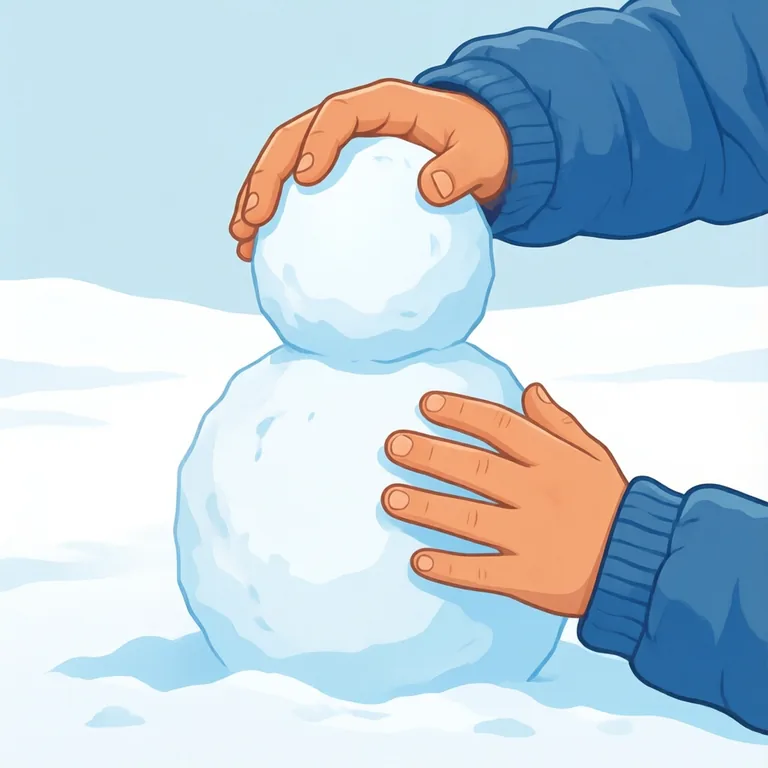
- Her fingers felt numb after building a snowman in the cold.
- 堆完雪人后,她的手指冻得失去了知觉。
Synonyms & Differences 近义词辨析
Compared meaning: having lost feeling in a body part (adjective).
比较义项:麻木、失去知觉(形容词)。
- asleep
Describes a body part that has temporarily lost feeling from prolonged pressure cutting off circulation; informal, tied to the fixed phrase 'fall asleep', and used only after a verb, never before a noun.
指身体某部位因长时间受压、血液循环受阻而暂时失去知觉;口语化,常与固定搭配“fall asleep”连用,只能放在动词之后,不能放在名词前作定语。
My leg fell asleep after I sat cross-legged on the floor too long.
我盘腿坐在地板上太久,腿麻了。
- numb 本词
A general word for loss of feeling from cold, shock, anesthesia or injury; broader in cause than 'asleep', and can be used both before a noun ('numb fingers') and after a verb ('fingers felt numb').
泛指因寒冷、震惊、麻醉或外伤而失去知觉,起因比asleep更广泛,既可放在名词前作定语(numb fingers),也可放在动词之后作表语(fingers felt numb)。
Her fingers felt numb after building a snowman in the cold.
她在寒冷中堆完雪人后,手指感到麻木。
Asleep and numb both describe a body part with no feeling. Asleep means a temporary loss of feeling from pressure, as in 'my leg fell asleep'. Numb is broader, covering cold, medicine, injury, or emotional shock. Asleep's meaning 'sleeping' is not compared.
这两个词都可以形容身体某部位“麻木、失去知觉”,但语境和用法不同:asleep多指因长时间受压、血液循环受阻而产生的短暂麻木,说法较口语化;numb的适用范围更广,可以指因寒冷、麻醉、外伤甚至情绪冲击造成的麻木。这里不比较asleep最常见的“睡着的”这一义项。