naked
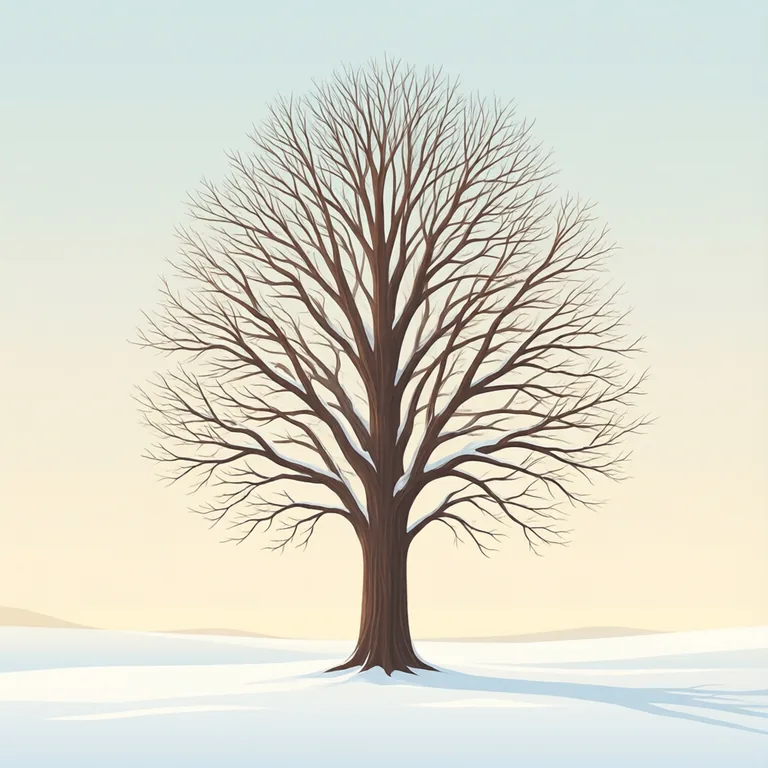
- adj. 裸体的
- adj. 无遮盖的, 无保护的
- Definition
- adj. not wearing any clothes
- adj. without the usual covering or protection
- Example
- The tree looked naked after all its leaves had fallen.
- 树叶全部落尽后,这棵树看起来光秃秃的。
Synonyms & Differences 近义词辨析
Compared meaning: having no clothes or covering (adjective).
比较义项:没有衣物或遮盖物、暴露在外(形容词)。
- naked 本词
Naked is the plain, everyday word for having no clothes on at all; it is blunt and informal, and can also describe things stripped of a normal covering, unlike the more formal register of nude.
naked是最普通、日常的用词,表示完全没有穿衣服,语气直接、甚至略显粗俗;它也可以用来比喻事物失去了原本的遮盖物,不像nude那样正式。
He jumped into the lake completely naked, laughing as the cold water hit his skin.
他整个人一丝不挂地跳进湖里,笑着感受冰冷的湖水打在皮肤上。
- exposed
Exposed does not mean unclothed; it means left without cover or protection, often after something is damaged or removed, implying vulnerability to danger, weather, or view.
exposed并不表示没穿衣服,而是表示失去遮盖或保护,往往是因为某物被破坏或移除后暴露出来,强调容易受到危险、恶劣天气或他人目光的伤害。
After the storm tore off the siding, the wooden frame was left exposed to wind and rain.
暴风雨刮掉外墙板后,木质框架便暴露在风雨之中。
- nude
Nude is a formal, neutral term for an unclothed body, typically used in art, photography, medicine, or on beaches; it avoids the bluntness of naked and never applies to objects.
nude是一个正式、中性的词,用来指未穿衣物的身体,常用于艺术、摄影、医学或海滩等语境;它没有naked那样直白粗俗的语气,也从不用来形容物体。
The magazine included several nude photographs by a well-known art photographer.
这本杂志收录了一位知名艺术摄影师拍摄的几张裸体照片。
- bare
Bare is the most general word, describing a body part, an object, or a surface left without its usual covering; it carries no strong emotional or formal tone.
bare是这几个词中最通用的一个,可以形容身体的某个部位,也可以形容物体或表面失去了通常的覆盖物;它不带强烈的感情色彩或正式语气。
She kicked off her sandals and walked along the beach with bare feet.
她踢掉凉鞋,光着脚沿着海滩走。
Naked, exposed, nude and bare all mean having no clothes or covering. Naked is blunt, everyday language; nude is formal, for art or photography; bare is most general, for bodies or surfaces; exposed means left unprotected. Verb uses of bare and expose are not compared.
这几个词在“没有遮盖物”这一义项上意思相近,但语气和典型搭配不同:naked语气直接、常用于日常口语;nude更正式,多用于艺术、摄影等语境;bare最为通用,可形容身体部位或物体表面;exposed则强调因遮盖物被移除而暴露、容易受到伤害,不一定与衣物有关。这里不比较bare作动词表示“使裸露、龇出(牙齿等)”的用法,也不比较expose作动词表示“揭露、使曝光(丑闻等)”的相关用法。
Compared meaning: left without covering or protection (adjective).
比较义项:没有遮盖物或保护,处于裸露、暴露或无防护的状态(形容词)。
- naked 本词
Naked describes something completely lacking its usual covering, often physical and visible (skin, trees, wires, flames); it has a vivid, almost literary tone and does not itself imply danger.
naked 形容某物完全没有其通常应有的覆盖物,常用于具体可见的事物(皮肤、树木、电线、火焰),语气生动、略带文学色彩,本身并不暗示危险。
Never light a naked flame near gasoline, since the fumes can ignite instantly.
千万不要在汽油附近点燃裸露的火焰,因为汽油蒸气可能瞬间被点燃。
- exposed
Exposed describes something whose covering has been removed or damaged, often by an external event, leaving it newly visible or open to the elements; it focuses on the process of losing protection.
exposed 形容某物的覆盖物因外部事件(如损坏)而被移除,从而新近变得可见或暴露在自然环境中,侧重于失去保护这一过程本身。
After the earthquake, several pipes were left exposed beneath the cracked pavement.
地震过后,几根管道在裂开的路面下暴露了出来。
- unprotected
Unprotected focuses specifically on lacking defense or safety measures against harm, danger or attack, and is often used for people, systems or places facing risk rather than for physical coverings.
unprotected 专门强调缺乏防御或安全措施以抵御伤害、危险或攻击,常用于面临风险的人、系统或地方,而不是描述实体覆盖物。
Without a helmet, the cyclist felt completely unprotected on the busy highway.
没有戴头盔,那位骑车人在繁忙的高速公路上感到完全没有防护。
Naked, exposed and unprotected describe something without its usual covering. Naked names a visible thing lacking cover, like skin or wires. Exposed means a covering was removed, often by weather. Unprotected means lacking safety or defense. Other figurative meanings are not compared.
这三个词都可以形容“没有遮盖或保护”的状态,但侧重点不同:naked 强调完全没有通常应有的覆盖物,多用于身体、树木、电线、火焰等具体事物,语气生动形象;exposed 强调原本被遮盖的部分因外力(如风暴、损坏)而暴露出来,侧重“暴露”这一结果和过程;unprotected 强调缺乏防御或安全措施,常用于人、系统、文件等面临伤害或危险的语境,不涉及“覆盖物”本身。这里不比较 naked 的“坦率的、未加渲染的”(如 naked truth)等引申义,也不比较 exposed 的“揭露、曝光(秘密、罪行)”等引申义,以及 unprotected 在“未采取防护措施(如 unprotected sex)”这一具体搭配中的引申用法。