momma
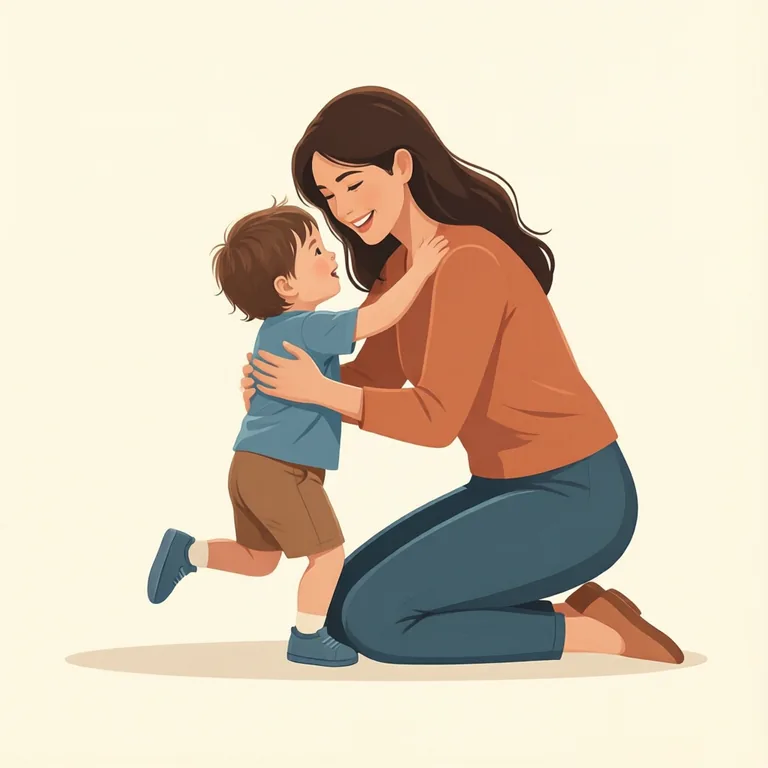
- n. 妈咪
- Definition
- n. mother, a word used especially by young children
- Example
- The little girl ran to her momma crying after she fell down.
- 小女孩摔倒后哭着跑向她的妈妈。
Synonyms & Differences 近义词辨析
Compared meaning: mother, in casual spoken language (noun).
比较义项:妈妈(口语,对母亲的称呼)(名词)。
- mom
The everyday, neutral word for one's mother, used by people of all ages in ordinary conversation; the default choice with no childish or regional flavor.
日常、中性的妈妈说法,各年龄段的人在普通对话中都会使用;是没有稚气或地方色彩的默认说法。
My mom drives me to soccer practice every Tuesday.
我妈妈每周二都开车送我去踢足球训练。
- mama
A softer, more childlike word mainly used by young children speaking to or about their mother; adults may use it affectionately in casual family talk.
更柔和、更显稚气的说法,主要是幼儿对母亲的称呼;成年人在随意的家庭场合中也会亲昵地这样叫。
The little girl reached up and grabbed her mama's hand at the store.
小女孩在商店里伸手抓住了她妈妈的手。
- momma 本词
An informal, phonetic-sounding spelling close to mama, often heard in young children's speech or casual, regional American English; can sound folksy.
拼写更接近口语发音、和mama相近的非正式说法,常见于幼儿说话或带地方色彩的美式口语中,听起来比较乡土。
The boy ran up crying, "Momma, I fell down!"
男孩哭着跑过来说:“妈咪,我摔倒了!”
Mom, mama, and momma all mean mother informally, but tone differs. Mom is the everyday, neutral word for all ages. Mama is softer and more childlike, used mainly by young children. Momma is an informal spelling of mama, common in children's speech or American English.
这三个词在这个意义上都表示妈妈,但语气和使用者不同:mom是最常见、中性的日常说法,各年龄段的人都会用;mama和momma则更显稚气,多是幼儿对母亲的称呼,momma还带有口语化、地方色彩的意味。