molt
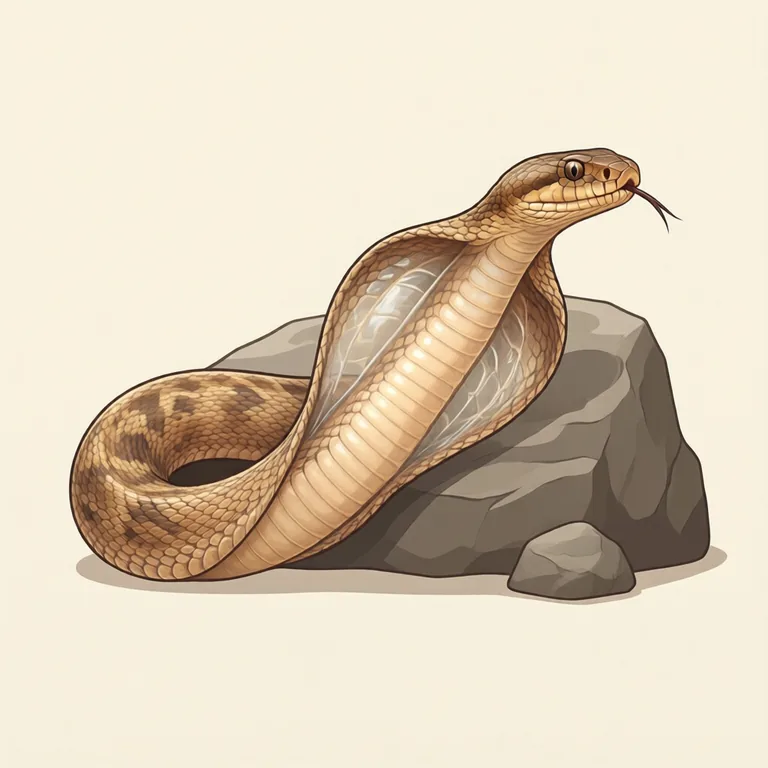
- v. 脱毛
- v. 蜕皮
- n. 换毛
- n. 脱皮
- Definition
- v. to shed feathers or hair naturally
- v. to shed skin naturally
- n. the process of shedding feathers or hair
- n. the process of shedding skin
- Example
- Snakes molt their skin several times a year.
- 蛇每年会蜕皮好几次。
Synonyms & Differences 近义词辨析
Compared meaning: an animal naturally losing skin, feathers, or fur (verb).
比较义项:动物自然地脱落外层皮肤、羽毛或毛发(动词)。
- shed
The most general, everyday word for losing or getting rid of something naturally; applies to skin, hair, leaves, tears, blood or even old habits, not limited to one body part or species.
最通用、最日常的词,指自然地脱落或去除某物;可以指皮肤、毛发、树叶、眼泪、血液,甚至旧习惯,不局限于某个身体部位或物种。
Trees shed their leaves every autumn as the weather turns colder.
每年秋天天气变冷时,树木就会落叶。
- slough
Narrower than shed: used specifically for a reptile casting off its outer layer of dead skin, often as the phrasal verb slough off; rarely used for hair or feathers.
比shed范围窄:专指爬行动物蜕去外层死皮,常以slough off的形式出现;很少用于毛发或羽毛。
Snakes slough off their dry outer skin several times a year.
蛇每年会好几次蜕去干燥的外层皮肤。
- molt 本词
Refers to the periodic natural loss of feathers, fur or hair as new growth replaces it, typical of birds and mammals; not normally used for skin or leaves.
指羽毛、皮毛或毛发周期性自然脱落并长出新的,常见于鸟类和哺乳动物;通常不用于皮肤或树叶。
Birds molt their feathers each summer before growing a fresh set.
鸟类每年夏天都会脱落羽毛,之后再长出新的一套。
Shed, slough, and molt all mean losing skin, feathers, or fur. Shed is the general word, for skin or hair. Slough means a reptile casting off skin. Molt means birds or mammals losing feathers or fur. Shed can mean a hut, or shedding light.
这三个词都可以表示动物脱落身体表层的东西,但语气和适用对象不同:shed最通用,凡是皮肤、毛发、树叶、眼泪甚至旧习惯都能用;slough专指爬行动物蜕去旧皮,常与off连用;molt专指鸟类、哺乳动物等周期性脱落羽毛或毛发后长出新的。这里不比较shed作名词表示“小屋”的意思,也不比较它“洒(光)、流(泪、血)”等引申用法。