mix
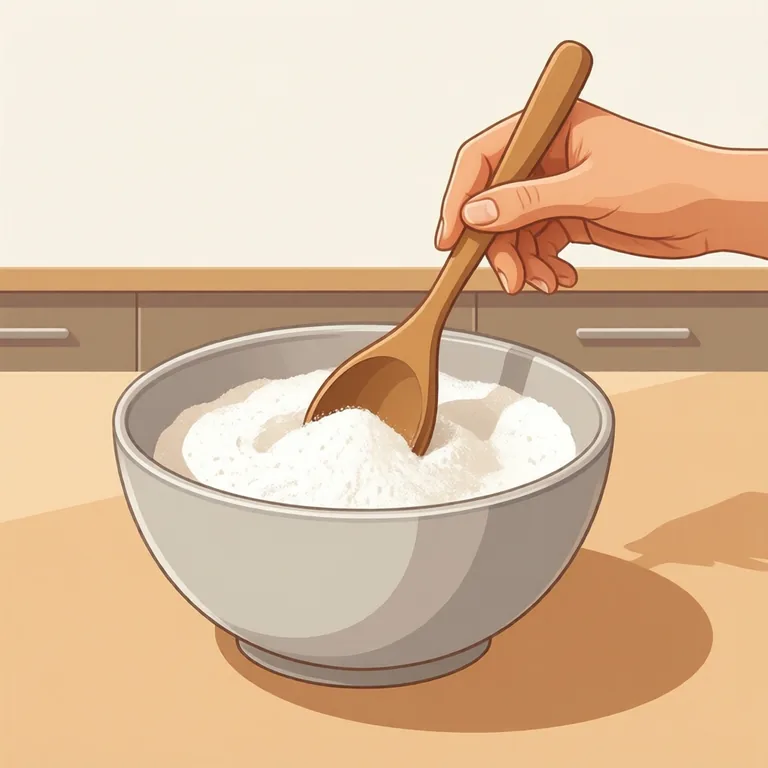
- v. 混合
- v. 弄混
- n. 混合物
- Definition
- v. to combine different things together
- v. to confuse things
- n. a combination of different things
- Example
- Mix the flour and sugar together in a bowl.
- 把面粉和糖放在碗里搅拌均匀。
Synonyms & Differences 近义词辨析
Compared meaning: to put different things together (verb).
比较义项:把两种或多种事物结合、混合在一起(动词)。
- combine
"Combine" is the most general and neutral word for putting two or more things together; it works for both physical items and abstract things like ideas or skills, without saying whether the result blends smoothly.
“combine”是最中性、最通用的词,用来表示把两种或多种事物放在一起,既可以指具体的东西,也可以指抽象的事物(如想法或技能),并不说明结果是否混合得均匀顺滑。
Combine your salary and savings to see your total income this year.
把你的工资和存款合在一起,就能看出你今年的总收入。
- blend
"Blend" emphasizes mixing things smoothly and thoroughly so the separate parts can no longer be told apart, and is common for liquids, flavors, or colors that combine into one uniform result.
“blend”强调把事物混合得均匀、彻底,让各个部分再也分不清彼此,常用于液体、味道或颜色这类混合成一个统一整体的情况。
Blend the bananas and milk until the drink is completely smooth.
把香蕉和牛奶混合搅拌,直到饮品变得完全顺滑。
- mix 本词
"Mix" is the everyday, general word for putting substances or things together; unlike blend, it does not require a smooth or completely even result, so a mixture can still look somewhat uneven.
“mix”是日常口语中表示“混合”的通用词,把物质或事物放在一起;与 blend 不同,它并不要求结果均匀顺滑,混合后仍可能显得不太均匀。
Mix the paint well before you start painting the fence.
开始刷栅栏之前,先把油漆充分搅拌均匀。
- merge
"Merge" describes two or more things coming together gradually to form a single whole, usually losing their separate identities; it is the natural choice for traffic lanes, rivers, roads, or companies joining into one.
“merge”表示两个或多个事物逐渐结合成一个整体,通常各自的独立身份也随之消失,常用于车道、河流、道路或公司合并成一体的场景。
Cars must merge into one lane before the bridge starts.
汽车必须在桥梁开始之前并入同一条车道。
Combine, blend, mix and merge all mean putting different things together. Combine is the most general and neutral. Blend stresses mixing evenly and smoothly. Mix is casual, not needing an even result. Merge means things gradually joining into one whole. Blend can mean 'fit in'.
这四个词在“把不同事物结合、混合在一起”这个意义上很接近,容易混淆,但语气和典型语境不同:combine 最中性、通用,可用于抽象或具体的事物;blend 强调混合得均匀顺滑,各部分难以区分;mix 是最日常口语化的说法,不强调结果是否均匀;merge 强调逐渐融合成一个整体,常用于交通、河流或公司合并等场景。这里不比较 blend 的“融入某个环境”(blend in)或 merge 作名词表示“合并”的用法。
Compared meaning: a combination of different things (noun).
比较义项:混合物,几种不同事物混合在一起的结果(名词)。
- mixture
General, fairly formal word for a combination of substances, ingredients or things; common in everyday, cooking, medical and scientific contexts, often followed by 'of'.
较为正式、通用的词,指物质、原料或事物的结合,常用于日常、烹饪、医学和科学语境,后面常接“of”。
The pharmacist prepared a mixture of three active ingredients for the patient.
药剂师为病人配制了一种含三种有效成分的混合物。
- mix 本词
More informal and often refers to a ready-made, packaged or produced blend, such as a cake mix or a music mix; common in casual speech and product names, less common in formal scientific description.
更口语化,常指现成、包装好或制作好的混合物,例如蛋糕预拌粉或混音;常见于日常口语和产品名称,较少用于正式的科学描述。
This DJ's new mix blends jazz with electronic beats.
这位DJ的新混音把爵士乐和电子乐融合在了一起。
Mixture and mix both mean a combination of things. Mixture is more formal and general, common in everyday, cooking, medical, and scientific contexts. Mix is more informal, often naming a ready-made or packaged blend, like a cake mix or a music mix.
这两个词在“混合物”这一义项上意思相近,都指几种事物结合在一起;mixture 更正式、通用,常见于日常、烹饪、医学和科学语境;mix 更口语化,常指现成或包装好的混合物、产品(如蛋糕预拌粉、混音),书面正式场合较少用。这里给出的两个词都只涉及这一个义项。