make
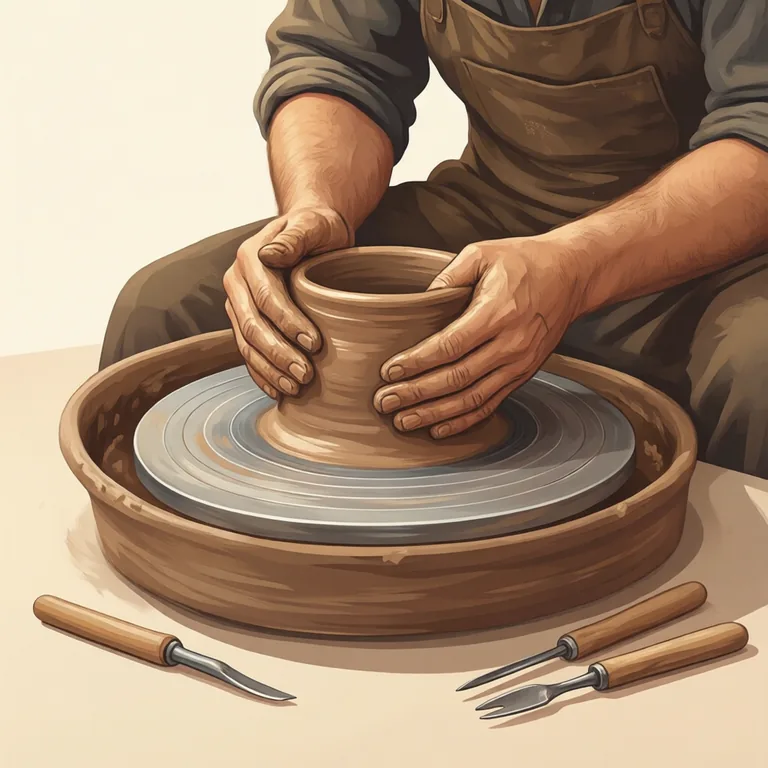
- v. 制造, 创造
- v. 使得
- v. 赚钱
- v. 达到, 成功
- Definition
- v. to produce or create
- v. to cause something to happen or exist
- v. to earn money
- v. to succeed in reaching or achieving something
- Example
- Can you make dinner while I finish this call?
- 我打完这个电话的时候,你能做晚饭吗?
Synonyms & Differences 近义词辨析
Compared meaning: create something (verb).
比较义项:制造,生产(动词)。
- make 本词
A general, everyday word for creating something, often by hand, in small amounts or informal contexts like cooking, crafts, or one-off items.
一个通用的日常词,指制造某物,常常是手工的、少量的,或用于做饭、手工艺等非正式场合。
Can you make dinner while I finish this call?
你能在我打完这通电话之前做一下晚饭吗?
- produce
More formal; suggests large-scale, industrial or mechanized creation, often by factories or machines, and is used with quantities or rates.
更正式;通常指工厂或机器进行的大规模、工业化生产,常与数量或产量搭配使用。
This factory produces thousands of cars every month.
这家工厂每个月生产数千辆汽车。
Make and produce both mean creating something. Make is a general, everyday word, often for things made by hand or in small amounts. Produce is more formal, suggesting large-scale or industrial creation, often by factories or machines.
在“制造、生产某物”这个意思上,make 和 produce 很接近,但 make 是日常泛用词,产量或场合不限;produce 更正式,常指工厂、机器或大规模、成批的生产。这里不比较 produce 的“种植(农作物)”等其他义项。
Compared meaning: make something happen (verb).
比较义项:使某事发生(动词)。
- make 本词
Informal causative verb, typically followed by an object plus a bare infinitive, especially for someone's reaction (make her cry); rarely used for large-scale disasters or formal statistics.
非正式的致使动词,通常后接“宾语+动词原形”,尤其用于描述某人的反应(make her cry);很少用于大型灾难或正式统计场合。
That silly joke made everyone at the table laugh out loud.
那个滑稽的笑话让桌上的每个人都放声大笑。
- cause
More formal verb, typically takes a noun object naming a problem or event (cause damage, cause a delay), or object plus a to-infinitive; common in reports and news about negative outcomes.
较正式的动词,通常接表示问题或事件的名词宾语(cause damage、cause a delay),或“宾语+to不定式”;常见于报道及描述负面结果的新闻中。
Heavy traffic caused a two-hour delay on the highway this morning.
今天早上严重的交通堵塞导致高速公路上出现了两小时的延误。
Make and cause both mean making something happen. Make is informal, followed by an object plus a plain verb, as in make her cry. Cause is more formal, followed by a noun naming a problem, or by an object plus a to-infinitive; often in reports.
make和cause在“使某事发生”这个意义上很接近,但make更口语化,常接“宾语+动词原形”,尤其用于描述某人的情绪或反应(make her cry);cause更正式,多接名词宾语(表示问题或事件)或“宾语+to不定式”,常用于负面事件或正式报道中。这里不比较make的其他常见意义,例如“制作、准备”(make dinner)。