lodge
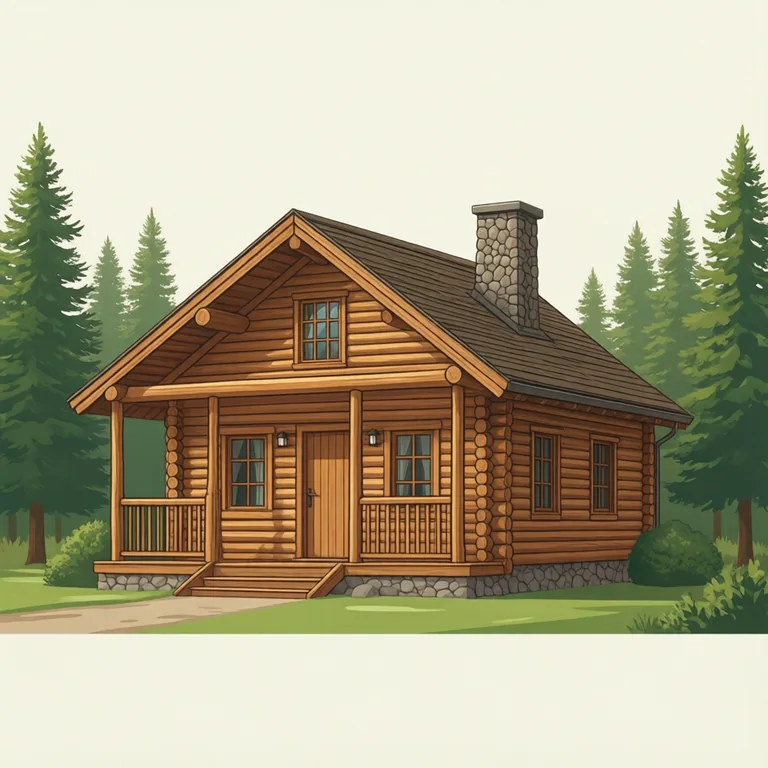
- n. 小屋, 门房
- n. 分会
- v. 卡住
- v. 暂住
- v. 提交, 提出
- Definition
- n. a small house, especially at the entrance to a large property
- n. a local branch of a club
- v. to become fixed in place
- v. to stay somewhere temporarily
- v. to officially submit something such as a complaint or application
- Example
- We plan to lodge at a small cabin near the lake.
- 我们打算在湖边一间小木屋里住宿。
Synonyms & Differences 近义词辨析
Compared meaning: get stuck or fixed in place (verb).
比较义项:卡住、固定住(动词)。
- wedge
Transitive and deliberate: a person forces an object into a narrow space to hold something in place, often naming the wedged object itself.
wedge是及物动词,强调有意为之:某人用力把物体塞进狭窄空间以固定住某物,句子里常直接说出所塞的物体。
He wedged a small stone under the door to stop it from swinging shut.
他在门下塞了一块小石头,让门不会自动关上。
- lodge 本词
Intransitive and often accidental: an object itself becomes stuck or embedded somewhere by chance, without anyone deliberately placing it.
lodge是不及物动词,往往表示意外卡住:物体本身作主语卡在某处,而不是有人主动把它塞进去。
A fish bone lodged in his throat while he was eating dinner.
他吃晚饭时,一根鱼刺卡在了他的喉咙里。
Wedge and lodge both mean becoming fixed or stuck in place. Wedge is active: someone forces an object into a narrow space to hold it firm. Lodge is passive: an object gets stuck somewhere by accident. Lodge also means 'to stay temporarily', not compared here.
这两个词在“卡住、固定住”这个意义上接近,但wedge强调有人用力把物体塞进狭窄空间加以固定,是主动、及物的动作;lodge则强调物体本身意外地卡在某处,是被动、不及物的结果。这里不比较lodge的另一个常见义项“寄宿、暂住”(如lodge at a cabin)。