little
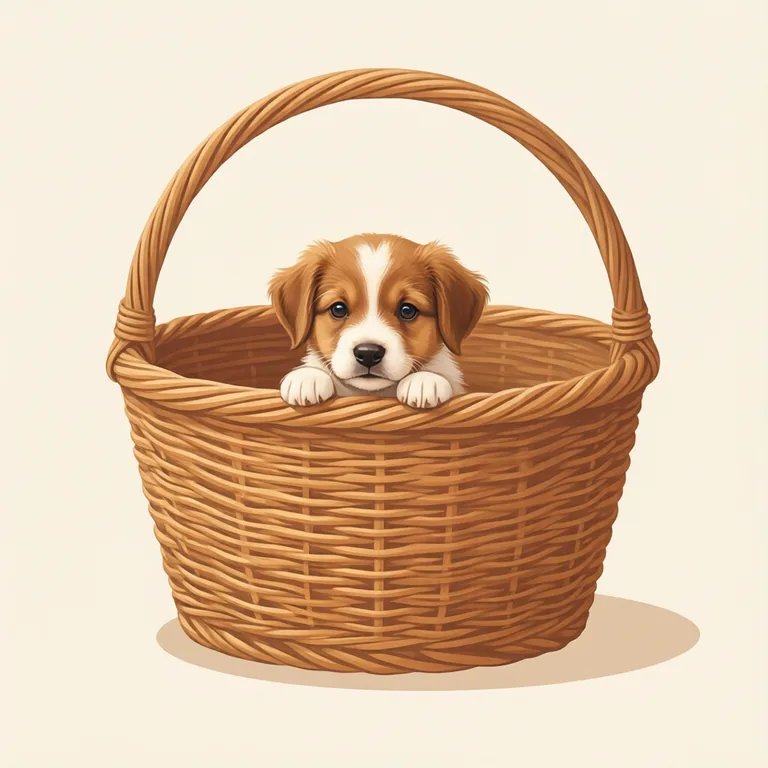
- adj. 小的
- adj. 很少的
- adj. 不重要的
- n. 一点点
- n. 一会儿
- Definition
- adj. small in size
- adj. small in amount
- adj. small in importance
- n. a small amount
- n. a short period of time
- Example
- The little dog followed her everywhere she went today.
- 小狗今天到哪儿都跟着她。
Synonyms & Differences 近义词辨析
Compared meaning: small in size or amount (adjective).
比较义项:微小的、体积或数量小的(形容词)。
- slim
Slim is mainly used for abstract quantities like chances, margins or profits, or to describe a slender body shape; it does not describe ordinary small objects.
slim 主要用于机会、余地、利润等抽象数量,或形容人体型纤细;它不用来形容普通的小物件。
The odds of finding survivors after so many days looked increasingly slim.
过了这么多天,找到幸存者的希望看起来越来越渺茫。
- tiny
Tiny is a vivid, informal intensifier meaning extremely small, stronger than small; it is common for physical objects, animals and babies but not for abstract chances or margins.
tiny 是一个生动、口语化的加强说法,意为“极其微小”,语气比 small 更强;常用于实物、动物和婴儿,但不用于抽象的机会或余地。
A tiny ant carried a crumb far bigger than itself across the kitchen floor.
一只微小的蚂蚁扛着一块比自己大得多的面包屑,爬过厨房地板。
- small
Small is the neutral, general-purpose word for size or amount, usable in almost any context, formal or informal, without extra emotional or intensifying color.
small 是表示体积或数量的中性通用词,几乎适用于任何语境,无论正式或口语,不带额外的感情色彩或强调语气。
The company started as a small business with only three employees.
这家公司最初只是一家只有三名员工的小企业。
- little 本词
Little is informal and often carries affection or warmth alongside smallness, especially before nouns for people, animals or objects; it rarely modifies abstract quantities.
little 是口语化用词,常带有亲昵或喜爱的感情色彩,多与人、动物或物品的名词连用,很少修饰抽象的数量。
She keeps a little notebook in her purse to jot down ideas.
她的手提包里放着一个小笔记本,用来随手记下想法。
Slim, tiny, small, and little all mean small in size or amount. Slim is for abstract things like chances. Tiny is vivid, meaning extremely small. Small is the neutral, general word. Little is informal, often warm or affectionate. Small's 'unimportant' sense is not compared here.
这几个词都可以表示“微小、数量或体积小”,但语气和搭配不同:slim 多用于抽象的机会、余地等,或指人体型纤细;tiny 强调极其微小,语气生动;small 是最常用的中性说法;little 语气口语化,常带亲昵或喜爱的感情色彩。这里不比较 small 的“不重要的”这一义项。
Compared meaning: small in amount or degree (adjective).
比较义项:数量少、程度小(形容词)。
- small
"Small" is the neutral, general-purpose word for size or amount, used in formal and informal contexts alike with countable or measurable things, without little's affectionate tone or slight's focus on subtle degree.
small是最普通、中性的表示大小或数量的词,正式和非正式场合皆可使用,可修饰可数或可测量的事物,没有little的亲昵语气,也不像slight那样侧重细微的程度。
Only a small percentage of applicants passed the difficult exam.
只有一小部分申请者通过了这场困难的考试。
- little 本词
"Little" often carries a warm, affectionate or diminutive tone, especially before concrete countable nouns in everyday speech, and rarely describes abstract degree the way slight does.
little常常带有亲切、可爱或表示“小巧”的感情色彩,尤其用在日常口语中修饰具体的可数名词,很少像slight那样用来修饰抽象的程度概念。
The little dog followed her everywhere she went today.
那只小狗今天到哪儿都跟着她。
- slight
"Slight" is the most formal of the three and typically modifies abstract nouns describing a subtle degree or amount, such as differences, increases, or chances, rather than physical objects.
slight是三者中最正式的一个,通常修饰表示细微程度或数量的抽象名词,如差异、增长、机会等,而不是修饰具体的物体。
There was only a slight difference between the two designs.
这两个设计之间只有细微的差别。
Small, little, and slight all mean small in amount or degree. Small is the neutral, general word for countable things. Little is warm, mainly before concrete nouns. Slight is formal, for abstract nouns like differences. Slight's sense of a thin body is not compared here.
这三个词在“数量少、程度小”这一意义上相近,但用法有别:small是最中性、通用的说法;little常用于具体、可数的事物,并带有亲昵、可爱的感情色彩;slight更正式,多修饰差异、增长等抽象名词,强调细微的程度。这里不比较slight表示“(身材)瘦削的”这一意义,例如a slight young man(瘦削的年轻人)。
Compared meaning: unimportant, not worth attention (adjective).
比较义项:不重要、无足轻重(形容词)。
- little 本词
Little is the least formal choice; it softens or downplays something as minor or not worth fuss, usually placed right before a noun rather than used alone after a linking verb.
little 是其中最口语化的词,常用在“小事”“小争执”“小问题”这类说法里,让某件事听起来没那么严重,一般不单独放在系动词后使用。
It's just a little misunderstanding between us, nothing to make a fuss about.
这只是我们之间的一点小误会,没什么好大惊小怪的。
- trivial
Trivial is neutral and fairly formal; it describes matters, mistakes or facts that carry no real weight and don't deserve serious attention or worry.
trivial 语气中性、较为正式,用来形容不值得认真对待或担心的事情、错误或事实。
The report focused on major issues and ignored a few trivial errors.
报告关注的是重大问题,忽略了一些无关紧要的错误。
- indifferent
Indifferent is formal and rather uncommon in this sense; it means something makes no real difference either way, similar to 'immaterial', often in phrases like 'a matter of indifferent importance'.
indifferent 用于此义时比较正式、也较少见,表示某事怎样都没有区别、无关紧要,接近“无关紧要的”,常出现在“无关紧要之事”这类正式表达中。
The exact meeting time seemed a matter of indifferent importance, so nobody wrote it down.
确切的开会时间似乎无关紧要,所以没人把它记下来。
- petty
Petty adds a critical or dismissive tone toward someone making a fuss over something small-scale, often used for disputes, complaints or rules seen as beneath serious attention.
petty 除了表示不重要,还带有轻蔑或批评的语气,暗示有人在为琐碎的小事斤斤计较,常用于争执、抱怨或规定。
My coworkers keep arguing over petty things like whose turn it is to refill the printer.
我的同事总是为一些琐事争吵,比如轮到谁去装打印机的纸。
Little, trivial, indifferent, and petty all mean unimportant. Little is informal, softening something as minor. Trivial is neutral, for matters with no weight. Indifferent is formal, meaning no difference. Petty criticizes someone fussing over something small. Little's size and indifferent's coldness are not compared here.
这几个词在“不重要”这一意义上很接近,但语气和正式程度不同。这里不比较 little 表示“体积小”的常见用法,也不比较 indifferent 表示“冷漠、不关心”的常见用法。