land
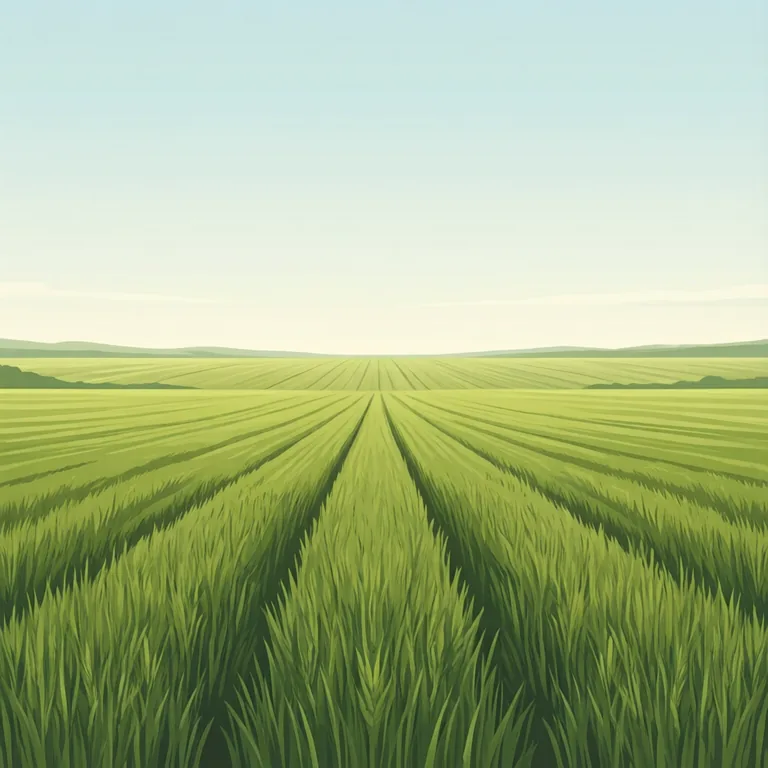
- n. 陆地
- n. 地产
- v. 登陆, 到达
- v. 获得, 拿下
- Definition
- n. the solid part of the earth's surface
- n. property people own
- v. to arrive somewhere after traveling
- v. to get a job, contract, or deal
- Example
- Farmers use this land to grow corn and wheat.
- 农民用这片土地种植玉米和小麦。
Synonyms & Differences 近义词辨析
Compared meaning: ground, soil, or land on Earth's surface (noun).
比较义项:地面、陆地或泥土——地球表面的部分(名词)。
- ground
The general, everyday word for the solid surface beneath one's feet; used for sitting, falling, or standing on it, without any hint of soil texture or land-versus-sea contrast.
泛指脚下坚实表面的最普通说法,用于坐、跌倒或站立时,不涉及泥土质地或陆地与海洋的对比。
The children sat on the ground and played games together.
孩子们坐在地上一起玩游戏。
- land 本词
Emphasizes solid ground as opposed to the sea, especially ground used or owned for farming, building, or living; often paired with words like farm, own, or dry.
强调与海洋相对的坚实陆地,尤指用于耕种、建造或居住的土地,常与“农场”“拥有”“干燥”等词搭配。
Farmers use this land to grow corn and wheat.
农民用这片土地种植玉米和小麦。
- earth
Refers to the loose soil or dirt that makes up the ground's surface, often used when talking about digging, planting, or the texture of the ground itself.
指构成地表的松散泥土或土壤,常用于谈论挖掘、种植或地面本身的质地。
She wiped the earth off her hands after gardening.
她在园艺后把手上的泥土擦掉了。
Ground, land, and earth all mean part of earth's surface. Ground is the general word for the surface underfoot. Land means solid ground versus the sea, often owned or farmed. Earth means loose soil or dirt. Land's 'country' and earth's 'planet' senses are not compared.
这三个词都可指地球表面的部分,但侧重不同:ground 泛指脚下的地面,land 强调与海洋相对、可耕种或拥有的陆地,earth 则指松散的泥土或土壤本身。这里不比较 earth 表示“地球”这一行星义项,也不比较 land 表示“国家、领土”的义项。
Compared meaning: land or property someone owns (noun).
比较义项:地产、房产(名词)。
- estate
Refers to a large piece of property, typically including a house or mansion, often associated with wealth or inheritance; more formal and specific than 'land'.
指一大片产业,通常包括一栋房屋或宅邸,常与财富或继承相关;比“land”更正式、更具体。
The old estate included a mansion, gardens, and hundreds of acres of woodland.
这座古老的庄园包括一栋宅邸、花园和数百英亩的林地。
- land 本词
A more general and neutral word for property or ground, often used for farming, building, or open space, without implying a house or grandeur.
是更通用、更中性的词,指用于耕种、建造或空地的产业,不暗示带有房屋或气派。
The farmer bought more land to expand his fields next year.
这位农民买了更多地产,以便明年扩大他的田地。
Estate and land both mean property someone owns. Estate is large property, often with a house, linked to wealth or inheritance. Land is plainer and more general, meaning ground used for farming or building. Estate can also mean inheritance; that is not compared here.
两者都可指“归某人所有的土地/地产”,但 estate 强调带有房屋、成片规模较大的产业,常与继承、庄园联系在一起;land 泛指用于耕种或建造等用途的土地,范围更广、更普通。这里不比较 estate 的“遗产、财产(总称)”义。