humiliate
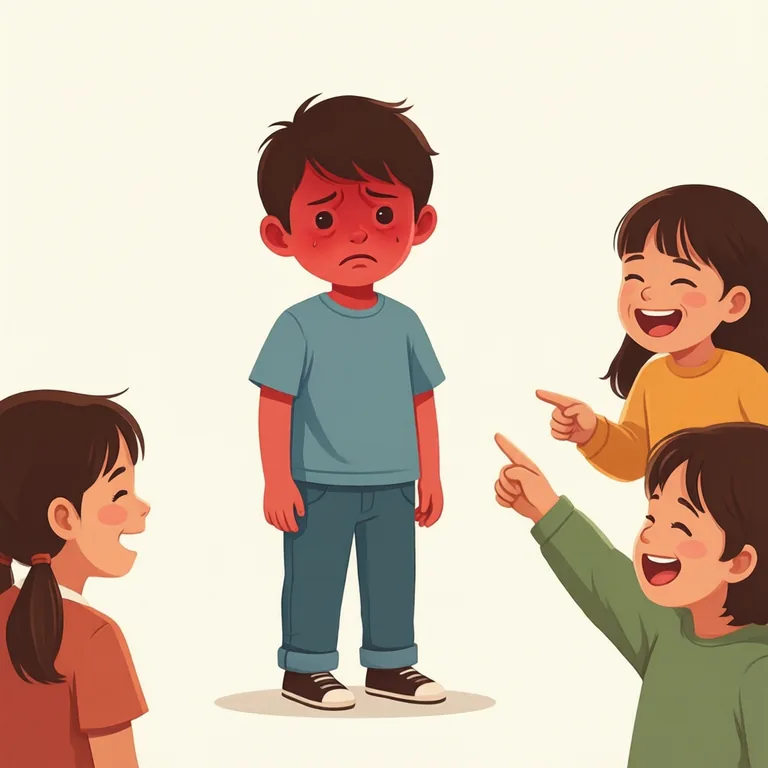
- v. 使丢脸, 使难堪
- Definition
- v. to make someone feel ashamed or foolish in front of others
- Example
- He didn't mean to humiliate his brother in front of friends.
- 他并不是有意要在朋友面前让弟弟难堪。
Synonyms & Differences 近义词辨析
Compared meaning: to make someone feel humble or ashamed (verb).
比较义项:使某人不再自负或不再自视甚高,感到谦卑/羞愧(动词)。
- humble
Milder and often not deliberate; can result from circumstances (like losing) rather than another person's intent, and does not necessarily involve public embarrassment.
语气较轻,且往往不是故意为之;可能是由某种处境(如失败)造成,而非他人蓄意所为,也不一定涉及当众出丑。
Losing the final match humbled the young player and taught him patience.
输掉决赛让这位年轻球员感到谦卑,也教会了他耐心。
- humiliate 本词
Stronger and usually deliberate; specifically implies making someone feel ashamed or foolish in front of other people, so it carries a clearly negative, hurtful tone.
语气更重,通常是故意的;特指让人在别人面前感到羞耻或愚蠢,因此带有明显的负面、伤人色彩。
The coach humiliated the player by yelling at him in front of the whole team.
教练当着全队的面对那名球员大吼,让他很难堪。
Both words mean to reduce someone's pride, but degree differs. Humble is milder, often not deliberate, resulting from circumstances like losing rather than another's intent. Humiliate is stronger, deliberate, making someone feel ashamed in front of others. Humble is common as an adjective meaning 'modest'.
这两个词都指“打压某人的自尊或地位”,但程度和感情色彩不同:humble 语气较轻,甚至可以是中性或带有积极意味(例如一次失败让人变得谦逊),未必涉及当众出丑;humiliate 语气更重,通常指故意让人当众蒙羞、难堪,带有明显的负面和伤害意味。这里不比较 humble 作形容词时“谦逊的”这一常见用法。