haul
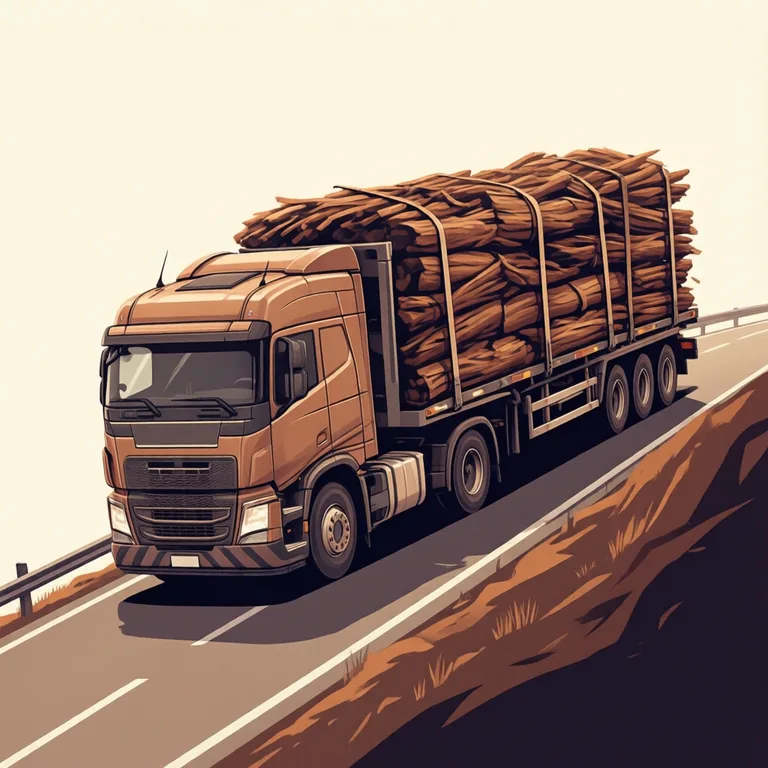
- v. 拖, 拉
- n. 拖运
- n. 收获
- Definition
- v. to pull or drag something heavy with great effort
- n. the act of pulling something heavy
- n. an amount gained by effort
- Example
- The truck can haul heavy loads across the country.
- 这辆卡车能把重货运送到全国各地。
Synonyms & Differences 近义词辨析
Compared meaning: to pull something heavy with effort (verb).
比较义项:用力拖拉沉重的东西(动词)。
- drag
Drag stresses pulling something so it moves along a surface, often slowly with scraping or trailing contact; typical of everyday, short-distance actions like feet, furniture, or bags, without necessarily implying great effort.
drag 强调让物体贴着地面或表面移动,动作缓慢,常伴有摩擦或拖曳的痕迹;多用于日常、短距离的动作,如拖脚步、挪家具或包,不一定表示费很大力气。
She dragged the heavy box across the kitchen floor, scratching the tiles.
她把沉重的箱子拖过厨房地板,把瓷砖都划伤了。
- haul 本词
Haul stresses exerting great physical effort to pull or transport something heavy, often over a longer distance and frequently with a vehicle, rope, or manual labor, without focusing on surface contact.
haul 强调费很大力气去拖拉或搬运沉重的东西,常涉及较长的距离,并且经常借助卡车、绳索或人力搬运,不强调物体是否贴着地面移动。
The truck can haul heavy loads across the country.
这辆卡车能把沉重的货物拖运到全国各地。
Drag and haul both mean pulling something heavy with effort. Drag stresses pulling so the thing moves along a surface, often slowly, like feet or furniture. Haul stresses using great effort to move something heavy over a long distance, often with a truck or rope.
这两个词都表示费力拖拉沉重的东西,但语气和情景略有不同:drag 强调物体贴着地面或表面被拖行,动作较慢,常用于日常动作(如拖着脚步、挪动家具);haul 强调费大力气搬运沉重货物,常用于较长距离的运输,多搭配卡车、绳索等工具。这里不比较 drag 表示“无聊、拖沓”的引申义,也不比较 haul 作名词表示“捕获物、赃物”的用法。