harness
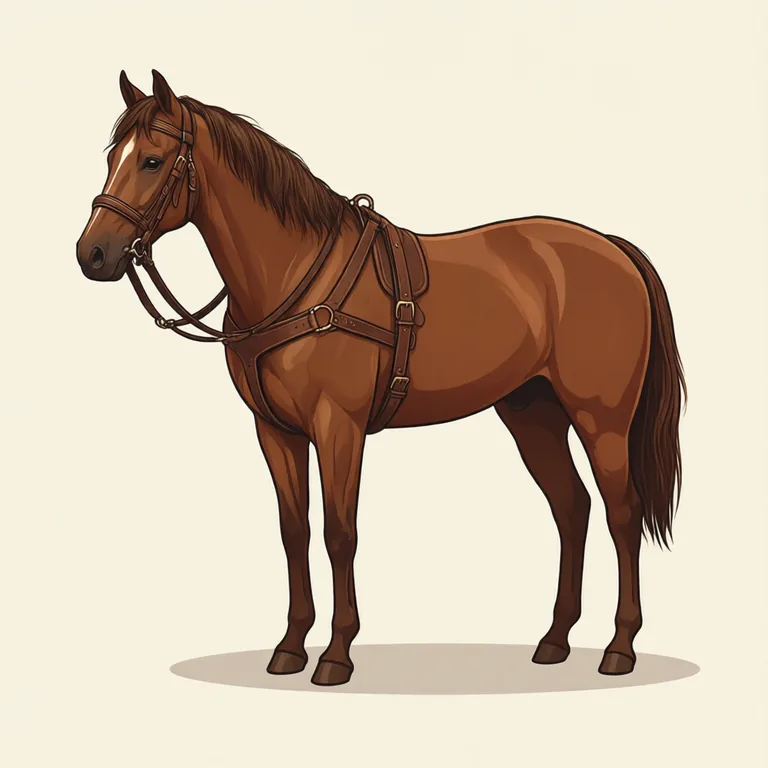
- n. 马具, 挽具
- v. 利用, 驾驭
- Definition
- n. a set of straps used to control an animal or attach equipment
- v. to control and use something to produce power
- Example
- The farmer put a harness on the horse before the ride.
- 农夫在骑马前给马套上了挽具。
Synonyms & Differences 近义词辨析
Compared meaning: to control or direct something (verb).
比较义项:驾驭、控制(动词)。
- rein
Emphasizes holding back or restraining something, often in the phrase "rein in", used for curbing excessive behavior, spending or emotion; carries a sense of pulling back.
强调勒住、约束,常用短语“rein in”,用于克制过度的行为、支出或情绪,带有“拉住、收敛”的意味。
The government moved quickly to rein in rising inflation.
政府迅速采取行动,控制不断上升的通货膨胀。
- harness 本词
Emphasizes putting a force, resource or ability to productive use, often with abstract nouns like energy or skill; carries a positive sense of channeling something useful.
强调把某种力量、资源或能力用于产生有益的结果,常与“能源”“才能”等抽象名词搭配,带有“善加利用”的积极意味。
Engineers are learning to harness solar energy to power entire cities.
工程师正在学习利用太阳能为整座城市供电。
Rein and harness both mean to control a force or behavior. Rein stresses holding back or restraining, often to curb excess. Harness stresses putting a force or resource to good, productive use. Harness's noun meaning, horse equipment, is not compared here.
这两个词在此义项上都可表示对某种力量或行为加以控制、驾驭,但语气不同:rein 强调“勒住、约束”,常用于抑制或克制过度的言行;harness 强调“善加利用”,把某种力量或资源转化为有益的产出。这里不比较 harness 作为名词“马具”的用法。