handicap
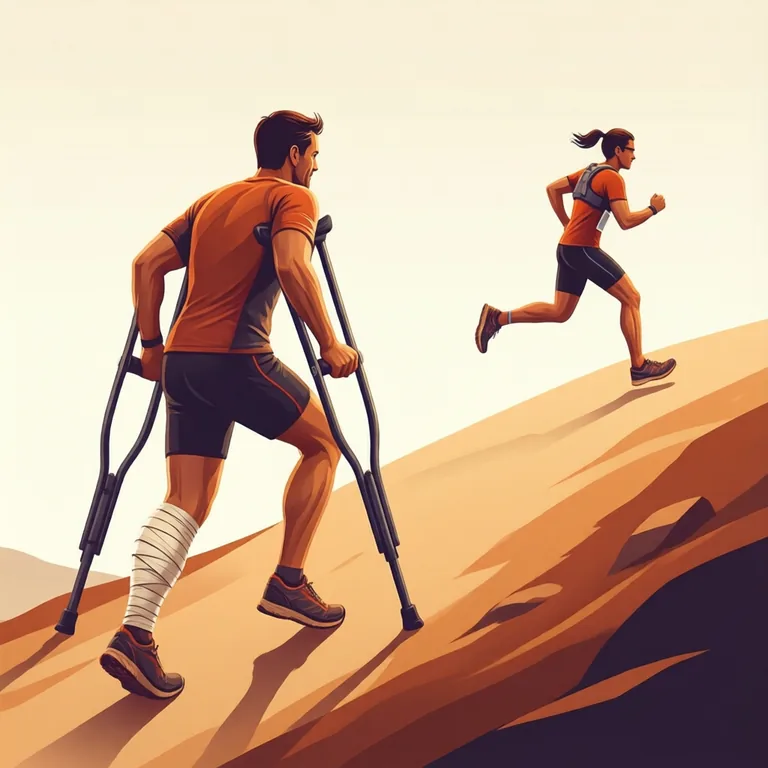
- n. 障碍, 不利条件
- n. 让分
- v. 妨碍, 阻碍
- Definition
- n. something that makes progress or success more difficult
- n. an advantage given to a competitor to equalize chances of winning
- v. to make something more difficult for someone
- Example
- His injury became a handicap during the final tennis match.
- 他的伤势成了决赛网球比赛中的一个不利因素。
Synonyms & Differences 近义词辨析
Compared meaning: an obstacle that blocks progress or success (noun).
比较义项:阻碍进展或成功的障碍(名词)。
- handicap 本词
Emphasizes a disadvantage relative to others, especially in competition or comparison of ability; often personal or physical. Common in phrases like 'under a handicap' or 'handicapped by'.
强调相对于他人的劣势,尤其在竞争或能力比较中;常指个人或身体方面的不利。常见搭配为“under a handicap”(处于不利地位)或“handicapped by”(因…而处于劣势)。
Being short is a real handicap for a basketball player.
身材矮小对篮球运动员来说是一个真正的不利条件。
- impediment
More formal; emphasizes something that blocks or delays a process, plan, or negotiation, often institutional, such as funding, law, or bureaucracy.
更为正式;强调阻碍或拖延某个过程、计划或谈判的进展,常与体制性因素有关,例如资金、法律或官僚程序。
Red tape remains the biggest impediment to reforming the tax system.
繁琐的官僚程序仍然是税制改革的最大障碍。
Handicap and impediment both mean an obstacle that makes something hard. Handicap stresses a disadvantage compared to others, often in competition. Impediment is more formal, stressing something that delays or blocks a process. Their other meanings, speech impediment and physical disability, are not compared here.
这两个词在这个意义上都指“造成困难的障碍”,但 handicap 更强调与他人相比处于劣势(常见于竞争、能力比较的场合),impediment 更正式,强调拖延或阻挡某个过程(常见于制度、政策等抽象场合)。这里不比较 impediment 的“口吃”义(speech impediment),也不比较 handicap 的“身体或智力障碍”义。
Compared meaning: to make something harder to do (verb).
比较义项:妨碍、阻碍(使某事变得更难做到)(动词)。
- handicap 本词
Stresses putting someone at a lasting disadvantage against others, especially in ability or competition (an injury, lack of skill); more formal and used less often than hamper in everyday speech.
强调使某人在能力或竞争方面处于持续的不利地位(例如伤病、技能不足);语气比 hamper 更正式,日常口语中使用频率较低。
Her lack of experience handicapped her against far more seasoned competitors.
她的经验不足使她在与经验丰富得多的对手竞争时处于不利地位。
- hamper
Stresses slowing down or getting in the way of an activity, effort, or process, often because of an external circumstance like weather or traffic; common and neutral in everyday use.
强调因外部因素(如天气、交通)而拖慢或阻碍某项活动、努力或过程;用法常见,语气中性,日常场合广泛使用。
Heavy traffic will hamper our efforts to reach the airport on time.
严重的交通拥堵将妨碍我们按时赶到机场。
Handicap and hamper both mean to make something harder to do. Handicap stresses a lasting disadvantage in ability or competition and sounds formal. Hamper stresses slowing or blocking an action from an outside factor and is common, everyday. Their noun meanings are not compared here.
这两个词在该义项中都表示「使某事变得更难做到」,但 handicap 更强调使某人在能力或竞争方面处于持续的不利地位,语气较正式;hamper 更强调因外部因素而拖慢或阻碍某项行动或进程,用法更常见、更口语化。这里不比较 handicap 作名词表示「残疾」或高尔夫运动中「让分」的用法,也不比较 hamper 作名词表示「(带盖的)大篮子、食篮」的用法。