flaw
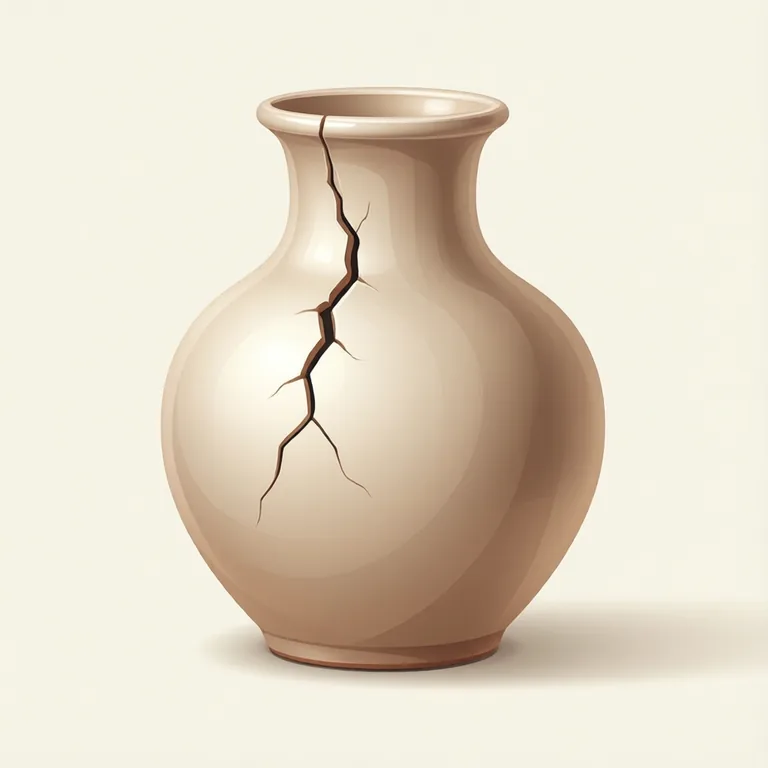
- n. 缺点, 瑕疵
- Definition
- n. a small fault or weakness in something
- Example
- The designer found a small flaw in the fabric pattern.
- 设计师在面料图案中发现了一个小瑕疵。
Synonyms & Differences 近义词辨析
Compared meaning: a weakness or imperfection in something (noun).
比较义项:缺点、瑕疵、缺陷(n.)。
- fault
Fault stresses personal responsibility or blame for a mistake, as in 'whose fault', and can also mean a weakness in someone's character.
Fault 强调对某个错误应负的个人责任或过失,如“whose fault”,也可指某人性格上的缺点。
Losing the match was entirely his own fault, not the referee's.
输掉比赛完全是他自己的过错,不是裁判的错。
- flaw 本词
Flaw points to a small, often subtle imperfection in an object, design, or character that slightly lowers its quality or beauty.
Flaw 指物品、设计或性格中一个细微、常不易察觉的瑕疵,会略微降低其质量或美感。
A tiny flaw in the diamond made it worth much less.
钻石上一个细小的瑕疵使它的价值大打折扣。
- defect
Defect is more formal and technical, describing a structural or functional flaw in a manufactured product that can make it fail to work properly.
Defect 更正式、更具技术色彩,指产品在结构或功能上的缺陷,可能导致其无法正常工作。
The device was recalled because of a serious wiring defect.
这款设备因为一个严重的接线缺陷被召回。
These three words all mean a weakness or flaw, but differ. Fault is about blame, as in whose fault, or a weakness in character. Flaw is a small imperfection in an object, design, or character. Defect is a formal, technical fault in a manufactured product.
这三个词在“缺点/瑕疵”这一意义上很接近,但语气和用法不同:fault 强调个人应负的过错或责任,也可指性格上的缺点;flaw 多指物品、设计或性格中细微、不易察觉的瑕疵;defect 更正式,多指产品在结构或功能上的技术性缺陷。fault 在其他语境中还可表示地质学中的“断层”,此处不作比较。