fine
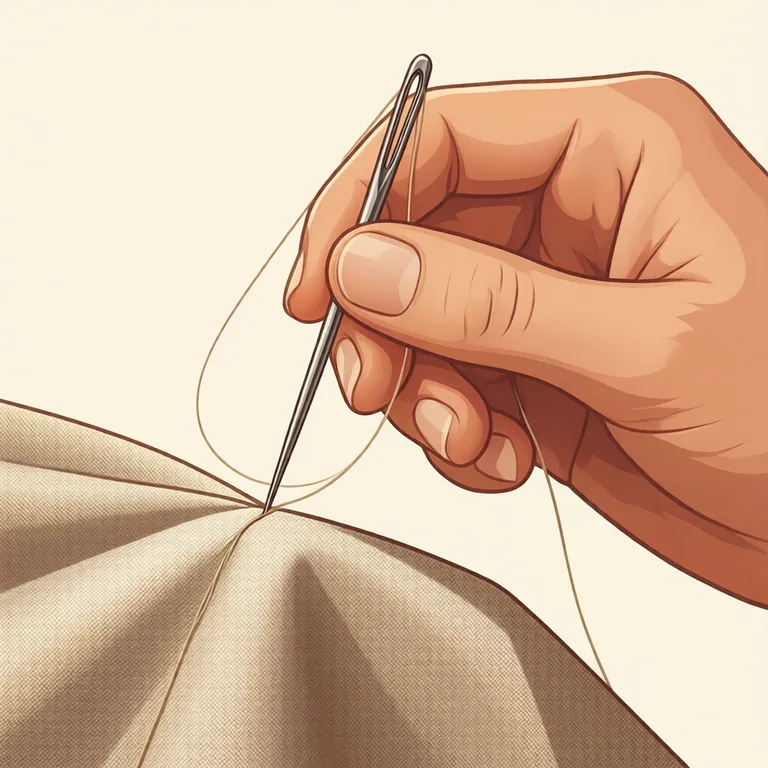
- adj. 好的, 精细的
- n. 罚款
- Definition
- adj. of good quality, or very thin, delicate, or in small pieces
- n. a sum of money paid as punishment for breaking a rule
- Example
- The weather looks fine for a picnic today.
- 今天天气很好,适合野餐。
Synonyms & Differences 近义词辨析
Compared meaning: acceptable, good, or feeling well (adjective).
比较义项:令人满意、可以接受、状态良好(形容词)。
- fine 本词
Fine is the most neutral, slightly formal way to say something is good enough or pleasant, often used for weather, plans, or agreeing calmly to a request.
Fine 语气较中性、略正式,表示“足够好”或“令人愉快”,常用于描述天气、计划,或平静地同意某事。
Is it fine if I call you back after lunch?
午饭后我给你回电话可以吗?
- okay
Okay is the most common, casual word for acceptable or agreed, used constantly in speech for permission, agreement, or describing an average condition ('just okay').
Okay 是最常用、最口语化的词,用来表示“可以/同意”,也常用于征求许可、表示赞同,或描述“一般般”的状态。
Is it okay if I bring a friend to the party?
我带个朋友去派对可以吗?
- alright
Alright is very informal (some consider it nonstandard for 'all right') and is especially common when asking about or reassuring someone's wellbeing or safety.
Alright 非常口语化(有人认为不是标准拼写“all right”),尤其常用于询问或安慰对方是否安好、安全。
You look really pale — are you feeling alright after the trip?
你脸色很苍白——旅行后你还好吗?
All three can mean acceptable or fine, but tone differs. Fine is slightly formal, common for weather, plans, or calmly agreeing. Okay is the most common and casual, used for permission or an average condition. Alright is very informal, used to ask about someone's wellbeing.
这三个词在口语中都能表示“还不错/可以/没问题”,很多语境下可以互换,但语气和典型场景有差异:fine 略正式、常用于描述天气、计划,或平静地表示同意;okay 最口语化,最常用来征求许可或评价“一般般”的状态;alright 非常口语化(部分人认为不是标准拼写“all right”),尤其常用于询问或安慰对方是否安好。这里不比较 fine 表示“精细的、小块的”等义项。
Compared meaning: very thin in texture (adjective).
比较义项:形容质地或厚度上很薄、纤细(adj.)。
- fine 本词
Fine describes something so thin it feels delicate or high-quality, often praising fine hair, fabric, or thread; it never suggests cheapness.
fine 形容某样东西薄得让人觉得精致或上乘,常用来称赞纤细的头发、织物或线,从不带廉价的意味。
Her fine blonde hair blew easily in the wind.
她纤细的金发在风中轻易地飘动。
- thin
Thin is the neutral, everyday word for a small distance between two sides, used for objects, materials, or people, with no judgment about quality.
thin 是日常中性的说法,指两侧之间的距离很小,可以用来形容物体、材料或人,不带任何关于质量的评价。
He sliced the bread into thin, even slices for the sandwiches.
他把面包切成薄而均匀的片,用来做三明治。
- sleazy
Sleazy specifically describes fabric or clothing that is thin and cheaply made, carrying a negative, informal judgment about poor quality.
sleazy 专门形容又薄又廉价的织物或衣服,带有贬义和非正式的语气,暗示质量低劣。
The jacket was made of sleazy nylon that tore after one wash.
这件夹克是用廉价的薄尼龙做的,洗一次就破了。
All three can describe something thin, but the judgment differs. Fine means so thin it feels delicate or high-quality, like fine hair or fabric. Thin is neutral, just a small distance between two sides, with no judgment. Sleazy describes cheap fabric, with a negative tone.
这三个词都可以形容物体“很薄”,但语气和评价色彩不同:fine 强调薄而精致、通常带褒义;thin 是中性的日常说法;sleazy 则带贬义,形容又薄又廉价的材质。这里不比较 fine 的“晴朗的”“健康的”等其他常见义项。