evoke
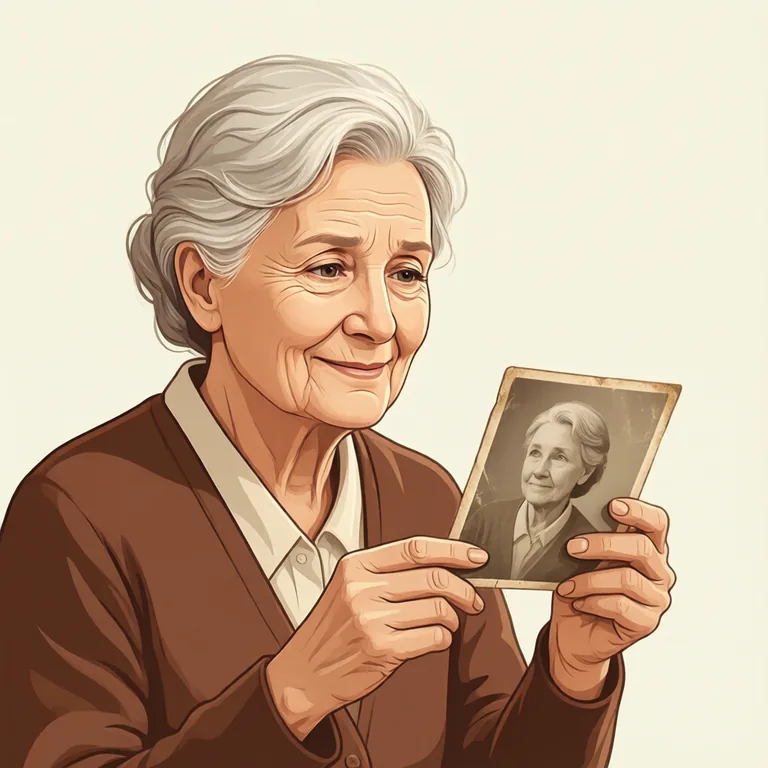
- v. 唤起
- v. 召唤
- Definition
- v. to bring a feeling or memory into someone's mind
- v. to call up a spirit
- Example
- This old photo evokes many happy memories from my childhood.
- 这张老照片唤起了我童年时许多快乐的回忆。
Synonyms & Differences 近义词辨析
Compared meaning: to cause a feeling or memory to appear (verb).
比较义项:引起(某种感觉或回忆)(动词)。
- evoke 本词
Evoke is calmer and more specific: it suggests that something (a photo, smell, song) brings a particular memory, image or association to mind, without implying strong agitation.
evoke语气较平和,更具体:表示某样东西(照片、气味、歌曲)让人想起某个具体的记忆、画面或联想,并不含有强烈情绪波动的意味。
The smell of fresh bread evoked memories of her grandmother's kitchen.
新鲜面包的香味让她想起了祖母厨房里的回忆。
- stir
Stir suggests arousing or intensifying a strong, often turbulent emotion, and commonly forms the phrasal verb stir up (stir up anger/controversy), a pattern evoke cannot use.
stir强调激起或加剧强烈、往往带有波动性质的情绪,常与up搭配构成短语动词stir up(如stir up anger/controversy,激起愤怒/争议),而evoke没有这种搭配。
The controversial comments stirred up anger across social media.
这些有争议的言论在社交媒体上激起了愤怒。
Evoke and stir both mean to cause a feeling or memory to appear. Evoke is calmer: a photo or song brings a specific memory to mind. Stir suggests arousing a strong, turbulent emotion, as in stir up anger. Its 'mix' meaning is not compared here.
这两个词在“引起感觉或回忆”这一义项上意思相近,但语气不同:evoke强调让人想起具体的记忆、画面或联想,语气较平和;stir强调激起强烈或翻涌的情绪,语气更强烈。这里不比较stir“搅拌(汤等)”的字面意思。