dry
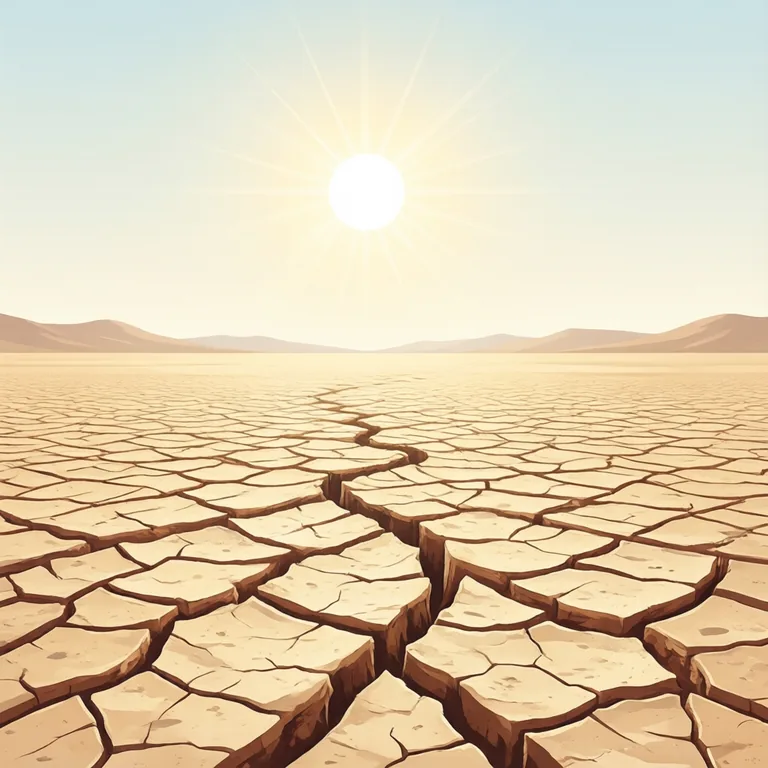
- adj. 干的, 干燥的
- v. 弄干
- Definition
- adj. having no water, moisture, or containing no alcohol
- v. to make something dry
- Example
- The towels were completely dry after a day outside.
- 毛巾在外面晒了一天后完全干了。
Synonyms & Differences 近义词辨析
Compared meaning: lacking moisture, not wet (adjective).
比较义项:缺少水分、干燥(形容词)。
- dry 本词
General everyday word for something with no moisture at all; used for objects, skin, weather, or land, with no implication about rainfall or plant life.
日常通用词,指完全没有水分,可用于物品、皮肤、天气或土地,不涉及降雨量或植物生长的问题。
Please make sure the paint is completely dry before you touch it.
请确保油漆完全干了以后再碰它。
- arid
Specifically describes a climate or land that gets very little rain, too little for most plants to grow; a stronger, more technical term used mainly for climates and regions, not everyday objects.
专指降雨极少、大多数植物难以生长的气候或土地;语气更强、更专业,主要用于描述气候和地区,不用于日常物品。
This arid landscape sees less than two inches of rain a year, so plants rarely survive.
这片干旱的土地一年下不到两英寸的雨,因此植物很少能存活。
Dry and arid both mean lacking moisture. Dry is the general everyday word, used for any object, skin, weather, or land with no water. Arid describes a climate or land with very little rain, too dry for most plants to grow; it is more formal.
dry 和 arid 都表示“干的”,但 dry 是日常通用词,可以形容任何缺水的东西;arid 专指降雨稀少、难以维持植物生长的气候或土地,语气更强、更书面化。这里不比较 dry 表示“不甜的(酒)”或“枯燥乏味的(幽默)”等其他义项。