decompose
- v. 分解
- v. 腐烂
- Definition
- v. to break down gradually through natural processes
- v. to rot gradually through natural processes
- Example
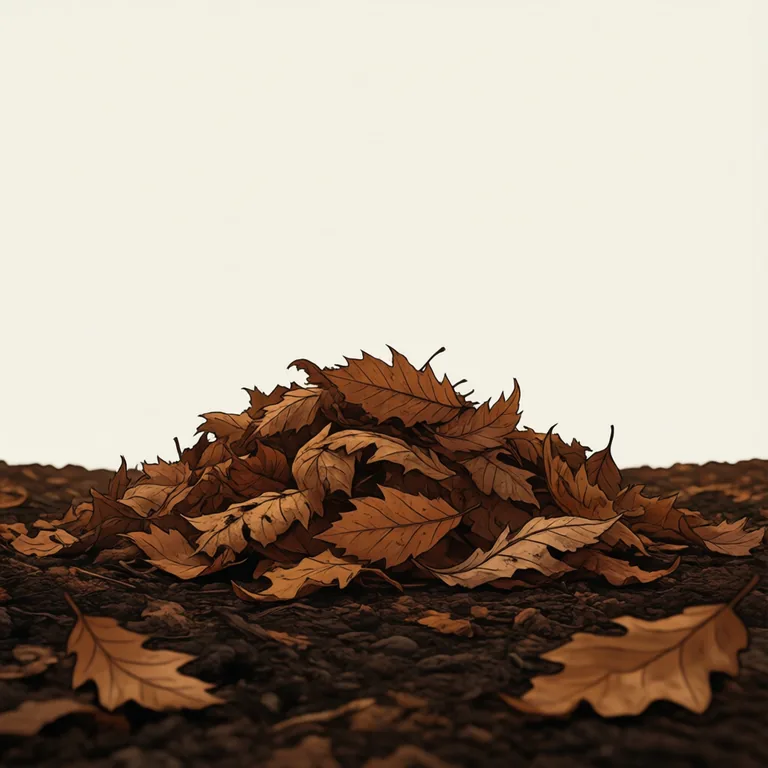
- Fallen leaves slowly decompose and enrich the soil.
- 落叶慢慢分解,使土壤变得肥沃。
Synonyms & Differences 近义词辨析
Compared meaning: to break down and rot, especially organic matter (verb).
比较义项:腐烂、分解(动词)。
- rot
Rot is the everyday, informal word for organic material spoiling through bacteria or fungi; it often implies something has become spoiled, weak or unusable, and is common with food, wood or teeth.
rot是日常、口语化的词,指有机物因细菌或真菌而腐坏;常暗示某物已经变质、脆弱或不能再用,常用于食物、木头或牙齿。
The teeth will rot quickly if you eat too much sugar.
如果吃太多糖,牙齿很快就会腐烂。
- decompose 本词
Decompose is a more formal, often scientific word for organic matter breaking down step by step into simpler substances; it fits contexts about nature, ecology or long time spans, and is rarely used for food going bad.
decompose是较正式、常见于科学语境的词,指有机物逐步分解为更简单的物质;常出现在关于自然、生态或长时间跨度的语境中,很少用来指食物变质。
Plastic bottles can take hundreds of years to decompose.
塑料瓶可能需要数百年才能分解。
Rot and decompose both mean to break down and go bad. Rot is more everyday, describing things spoiling from bacteria, common for food or wood. Decompose is more formal, describing organic matter breaking down into simpler substances, often in nature or science.
这两个词在“腐烂、分解”这一义项上意思相近,容易混淆:rot是更口语化的词,强调因细菌或真菌而变质、发臭,常用于食物、木头、牙齿等;decompose更正式,强调有机物通过自然过程逐步分解为更简单的物质,常见于生态、科学或长时间跨度的语境。两个词在这里都只取“腐烂、分解”这一义项,不涉及其他含义。
Compared meaning: to rot or break down gradually (verb).
比较义项:腐烂(动词)。
- decay
The general word for rotting or gradual decline; used only intransitively and applies broadly, including non-organic or abstract things like teeth, buildings, or morals, without implying any decomposer organisms.
泛指腐烂或逐渐衰败的通用词,只能用作不及物动词;使用范围较广,也可指非有机物或抽象事物的衰败,例如牙齿、建筑物或道德,并不暗示有分解者的作用。
Tooth enamel can decay quickly when it's exposed to acid for too long.
牙釉质如果长期接触酸性物质,很快就会腐烂。
- decompose 本词
Names the natural biological process of organic matter breaking down through bacteria or fungi; more technical, can be used transitively (bacteria decompose matter), and is never used for abstract decline.
特指有机物在细菌、真菌等作用下自然分解的过程,语域更偏科学;既可用作不及物动词,也可带宾语(如细菌“分解”某物),不用于抽象意义上的衰败。
Insects and bacteria decompose dead animals within a few weeks in warm weather.
在温暖的天气里,昆虫和细菌能在几周内使动物尸体分解。
Decay and decompose are close in meaning, but differ in range and grammar. Decay is the general, intransitive word, applying also to non-organic or abstract things like teeth or buildings. Decompose focuses on organic matter breaking down through bacteria or fungi, and is more scientific.
这两个词在“腐烂”这一意义上很接近,容易混淆,但适用范围和语法不同:decay 是通用词,只能用作不及物动词,除了有机物外,也可指非有机物或抽象事物的衰败,例如牙齿、建筑物或道德;decompose 更强调有机物在细菌、真菌等作用下自然分解的过程,语域更偏科学,还可以带宾语。