debris
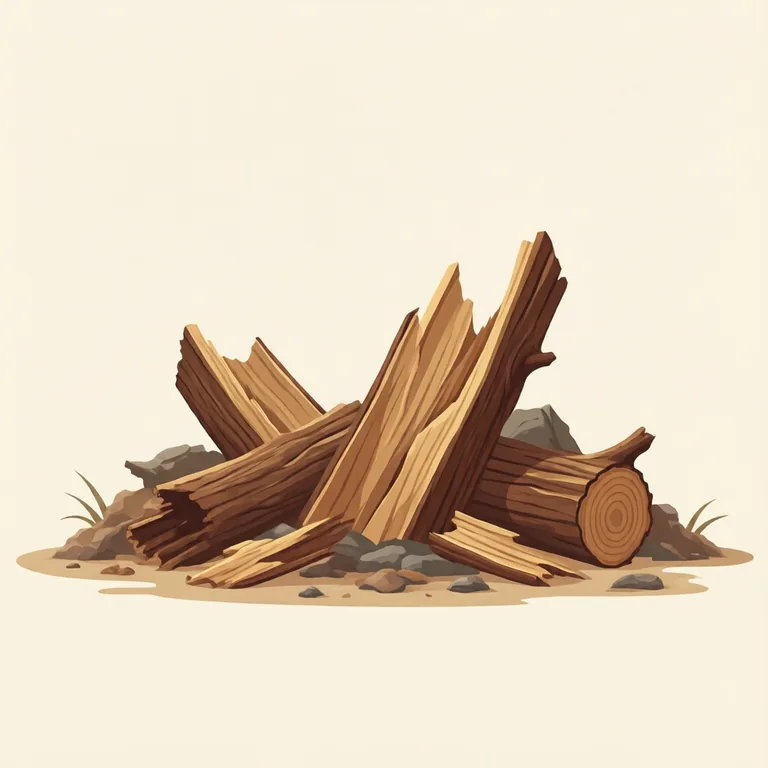
- n. 碎片, 残骸
- Definition
- n. pieces of wood, metal, or other material left after something is destroyed
- Example
- Workers cleared the debris left after the storm passed.
- 工人们清理了暴风雨过后留下的残骸。
Synonyms & Differences 近义词辨析
Compared meaning: broken pieces left after something is destroyed (noun).
比较义项:某物被摧毁后留下的残骸、碎块(名词)。
- debris 本词
General term for scattered remains of almost any material — wood, glass, metal, plant matter — left after destruction, a crash or a storm; not limited to buildings.
泛指摧毁、坠毁或风暴过后散落的各种残余材料——木头、玻璃、金属、植物残枝等——不限于建筑物。
After the crash, debris from the plane was scattered across the field.
坠机后,飞机残骸散落在田野各处。
- rubble
Specifically broken stone, brick or concrete from a collapsed or demolished building; strongly evokes a destroyed structure, not general scattered litter.
特指倒塌或被拆毁建筑物中破碎的石块、砖块或混凝土;让人联想到建筑物被毁的画面,而非泛指散落的杂物。
The earthquake reduced the old apartment building to rubble in seconds.
地震在几秒钟内把这栋旧公寓楼夷为瓦砾。
Debris and rubble both mean the broken remains left after something is destroyed, but their range differs. Debris is general: scattered leftover material of any kind, not only buildings. Rubble is specific: broken bricks, stone, or concrete from a collapsed building.
debris 和 rubble 都指某物被摧毁后留下的残余物,容易混淆,但范围和意象不同:debris 泛指各种散落的残余材料,不限于建筑物;rubble 特指倒塌建筑物中破碎的砖石、混凝土碎块,画面感更具体。