cushion
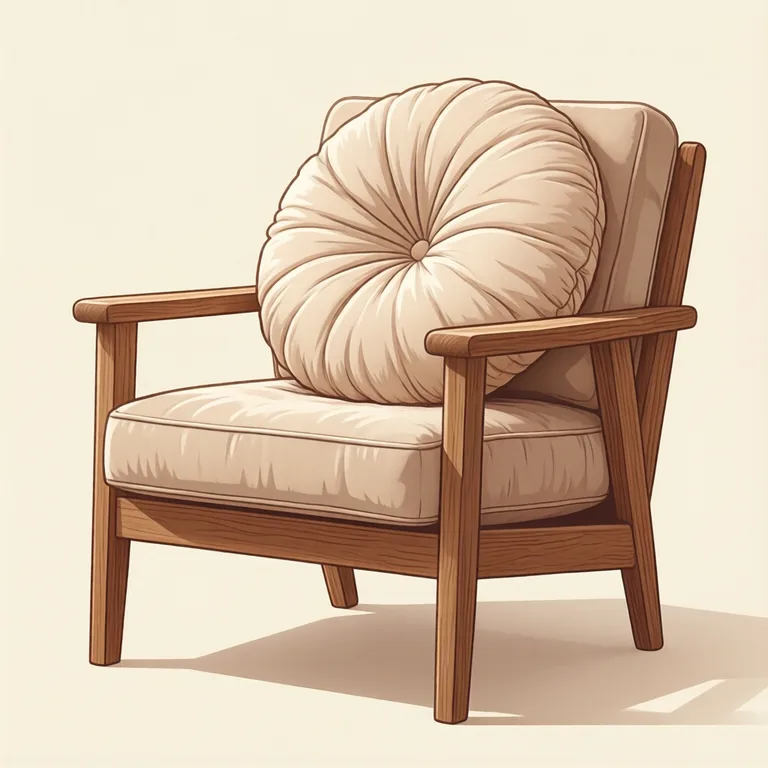
- n. 垫子, 靠垫
- v. 缓冲
- v. 加垫
- Definition
- n. a soft bag filled with material, used for sitting or leaning on
- v. to reduce the force or effect of something
- v. to add padding to it
- Example
- She placed a soft cushion on the chair for comfort.
- 她在椅子上放了一个软垫,坐着更舒服。
Synonyms & Differences 近义词辨析
Compared meaning: to soften or protect against a shock (verb).
比较义项:缓冲、减轻(冲击或不良影响)(动词)。
- cushion 本词
Means to soften a sudden negative impact, almost always paired with 'the blow' or 'the effect'; suggests making a shock less painful at the moment it happens.
指减轻某种突然的负面冲击,几乎总是与“the blow”或“the effect”搭配;强调在冲击发生的那一刻让它不那么难受。
The extra savings cushioned the blow of losing his main client.
那笔额外的存款缓冲了他失去主要客户所带来的打击。
- buffer
Means to protect something from ongoing or external harm, typically used with 'against' and describing a lasting protective margin rather than a single shock.
指保护某事物免受持续性或外部伤害,通常与“against”连用,描述的是一种持久的保护性缓冲,而不是单次的冲击。
The company kept a cash reserve to buffer itself against economic downturns.
这家公司保留了一笔现金储备,以缓冲自身免受经济下行的影响。
Both words mean to lessen a negative impact, but the use differs. Cushion means to soften a sudden shock, almost always paired with 'the blow'. Buffer means to protect something from ongoing harm, usually with 'against', describing lasting protection. Their noun meanings are not compared.
cushion 和 buffer 在“减轻冲击或不良影响”这个意义上很接近,但 cushion 强调像垫子一样柔化打击,常与“the blow”搭配,多用于经济或情感上的打击;buffer 强调充当一层保护性缓冲,抵御持续或外来的冲击,常与介词“against”连用。这里不比较 cushion 作为“靠垫、坐垫”的名词义,也不比较 buffer 作为“缓冲区、缓冲装置”的名词义。