complete
- adj. 完整的
- adj. 彻底的
- adj. 完成的
- v. 完成
- Definition
- adj. having all its parts
- adj. total and thorough
- adj. finished
- v. to finish making or doing something
- Example
- She finally completed the difficult project on time.
- 她终于按时完成了这个困难的项目。
Synonyms & Differences 近义词辨析
Compared meaning: complete, total, used to add emphasis (adjective).
比较义项:完全、彻底的(形容词,用于加强语气)。
- full
Full stresses that no detail or information is left out, as in a full account or full details; neutral in tone, typically used with reports, explanations, or stories.
full 强调没有遗漏任何细节或信息,如full account(详尽的叙述)或full details(详尽的细节);语气中性,常与报告、说明、故事等词搭配。
Please send us a full report explaining exactly what went wrong yesterday.
请给我们发一份详尽的报告,说明昨天到底出了什么问题。
- total
Total is the most common, everyday intensifier meaning absolute or entire, used before nouns describing a state or person, such as total silence or a total stranger.
total 是最常见、最口语化的强调词,意为“完全的、彻底的”,常用于描述状态或人的名词前,如total silence(一片寂静)或a total stranger(完全陌生的人)。
The office descended into total chaos when the fire alarm went off.
消防警报响起时,办公室陷入了一片彻底的混乱。
- complete 本词
Complete overlaps with both full and total, stressing that nothing is missing or lacking; slightly more formal, often paired with surprise, disaster, or opposite.
complete 兼有full和total的意味,强调毫无欠缺;语气略正式,常与surprise(惊喜)、disaster(灾难)、opposite(对立面)等词搭配。
My sister is the complete opposite of me when it comes to fashion.
在穿衣品味上,我妹妹和我完全相反。
- rank
Rank is the strongest and most formal, almost always negative, used only before disparaging nouns like amateur, stupidity, or injustice to mean utterly bad.
rank 语气最重、最正式,几乎只用于贬义场合,只修饰amateur(外行)、stupidity(愚蠢)、injustice(不公)等负面名词,意为“十足的、糟糕透顶的”。
He's a rank amateur who has no idea how the stock market works.
他就是个十足的外行,根本不懂股市是怎么回事。
All four can intensify a noun, meaning 'completely'. Full stresses that no detail is left out, as in a full account. Total and complete are common, neutral intensifiers, as in total silence. Rank is the strongest, almost always negative, used before words like amateur.
这四个词都可以作形容词,表示“完全、彻底、毫无保留”,中文释义都接近“完全的/彻底的/详尽的/十足的”,容易被中国学习者混用。但语气强弱和用法不同:full 侧重细节详尽,total 和 complete 是最常用的泛义强调词,语气较中性,rank 语气最重,几乎只用于贬义场合。这里不比较 full 的“满的”(如 the bus was full,公交车坐满了)、total 的“总数的”(total cost,总费用)、complete 的动词义“完成”(complete a project,完成一个项目)、以及 rank 的名词义“等级/军衔”或动词义“排名”(rank first,排名第一)。
Compared meaning: finished or ended (adjective).
比较义项:结束的,完成的(形容词)。
- through
Used only after a linking verb, never before a noun; informal, often paired with "with" to show someone has personally stopped dealing with a task or relationship.
只能用在系动词之后,不能放在名词前;口语化,常与“with”搭配,表示某人不再处理某项任务或关系。
The mechanic said he was finally through with the old car's endless repairs.
技师说他终于不再理会这辆旧车没完没了的维修问题了。
- over
Describes an event, situation or period ending at a point in time, such as a meeting, game or relationship; rarely combined with "with" and not used for a finished personal task.
描述某个事件、情况或阶段在某一时刻结束,例如会议、比赛或恋爱关系;很少与“with”连用,也不用来表示个人任务已经完成。
By nine o'clock the meeting was over and everyone went home.
到九点的时候,会议结束了,大家都回家了。
- complete 本词
More formal and neutral; describes a set, project or structure that has every part it needs, with nothing missing, and can stand before or after a noun.
更正式、更中性;用来描述某个整体、项目或结构具备了所需的全部部分,一无所缺,可放在名词前或名词后使用。
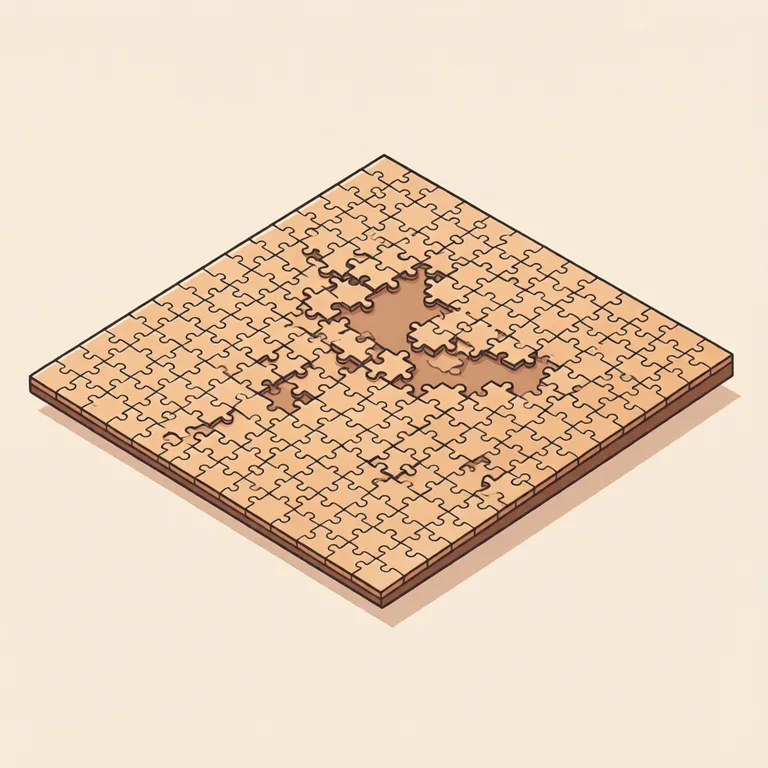
The puzzle was complete once she placed the final piece in position.
拼图在她放上最后一块之后就完整了。
- done
The most common everyday word for "finished"; used mainly after "be", often with "with" for tasks, and can also describe food that has finished cooking.
是表示“完成”最常用、最口语化的词;主要用在系动词之后,常与“with”连用表示任务完成,也可以用来描述食物已经煮熟。
Are you done with your homework, or do you still have more to finish?
你的作业做完了吗,还是还有一些没写完?
Through, over, complete and done all mean 'finished'. Through and done are informal, often with 'with', for a stopped task. Over means an event or period has ended. Complete is more formal: nothing is missing. Not compared: through/over as prepositions, complete as a verb.
这四个词都可以表示“结束了、完成了”,是学习者容易混淆的近义词,但语气和常见搭配不同:through和done多用于口语,常与“with”连用表示不再处理某事;over多指某个事件或阶段结束;complete更正式,强调整体完整无缺。这里不比较through作介词表示“穿过”、over作介词表示“在…上方,越过”,以及complete作动词表示“完成”的用法。
Compared meaning: to finish doing something (verb).
比较义项:完成、结束(某事)(动词)。
- finish
The everyday, informal word for ending an activity; it can be used without an object ('I'll finish in five minutes') and does not stress whether every part or requirement was met.
finish 是日常口语中更常用的词,表示结束某项活动;可以不带宾语单独使用(如 I'll finish in five minutes),不强调是否完成了每一个部分或要求。
I'll finish in five minutes, so please wait for me.
我五分钟后就能弄完,请等我一下。
- complete 本词
More formal and usually takes an object; it stresses that every part or requirement of a task has been carried out, common with forms, courses and projects.
complete 语气更正式,通常带宾语;强调把任务的所有部分或要求都完成,常与表格、课程、项目等搭配使用。
New employees must complete a two-week training program before starting work.
新员工必须完成为期两周的培训项目才能开始工作。
Finish and complete both mean to end an activity. Finish is informal, everyday, and can be used with no object. Complete is more formal, usually with an object, stressing every part was done. Not compared: finish meaning 'eat/use up', complete as an adjective meaning 'whole'.
这两个词在“完成某事”这个意义上很接近,但语气和用法略有不同:finish 更口语化,也可以不带宾语单独使用;complete 更正式,通常带宾语,强调把任务的每个部分或要求都做完。这里不比较 finish 表示“吃完、用完”(如 finish your dinner)的意思,也不比较 complete 作形容词表示“完整的”的用法。