clutch
- v. 抓住, 紧握
- n. 离合器
- n. 紧握
- n. 手拿包
- Definition
- v. to hold something tightly
- n. the pedal used to change gears in a car
- n. a tight grasp
- n. a woman's small strapless handbag
- Example
- He hit the clutch on his bike and pedaled forward hard.
- 他按下自行车的离合器,用力向前踩踏板。
Synonyms & Differences 近义词辨析
Compared meaning: to grab hold of something (verb).
比较义项:抓住(动词)。
- seize
Seize describes a quick, forceful action of grabbing hold of something all at once, often to take control of it; it suggests a decisive, sometimes aggressive motion rather than a prolonged hold.
seize 表示快速有力地一把抓住某物,动作果断,常带有一举控制住或制服对方的意味,强调抓住的瞬间动作而非长时间的抓握。
The guard rushed forward and seized the thief's arm before he could escape.
警卫冲上前一把抓住小偷的手臂,不让他逃跑。
- clutch 本词
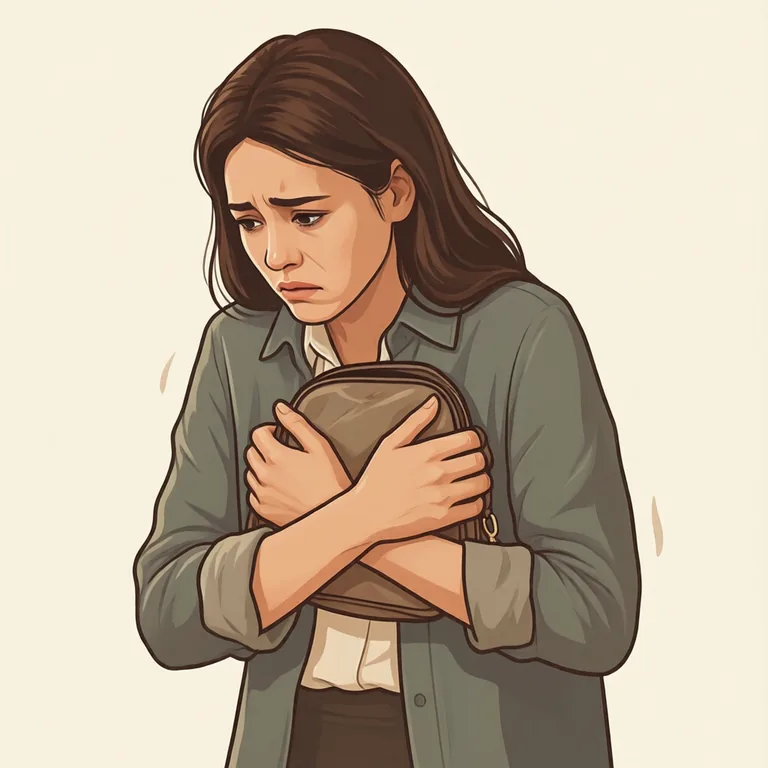
Clutch describes holding something tightly and continuously, often out of fear, anxiety or a wish to keep it safe, focusing on the tight grip rather than the initial grabbing motion.
clutch 表示持续紧紧抓住某物不放,常常带有害怕、紧张或想要护住某物的情绪,强调紧握的状态而不是最初抓取的动作。
She clutched her handbag tightly as the crowded subway car lurched forward.
地铁车厢猛地一晃,她紧紧抓着自己的手提包。
Seize and clutch both mean to grab something. Seize describes a quick, forceful action of grabbing all at once, often to take control. Clutch describes holding something tightly and continuously, often from fear or anxiety, or a wish to keep it safe.
这两个词在这一义项上意思相近,但语气和侧重点不同:seize 强调突然、用力地一下子抓住某物,动作果断,甚至带有制服或夺取的意味;clutch 强调持续紧紧抓住不放,常常带有紧张、害怕或想要护住某物的情绪。这里不比较 seize 表示抓住机会等抽象用法,也不比较 clutch 作名词指汽车离合器的用法。
Compared meaning: a firm hold on something (noun).
比较义项:牢固地抓住/握住某物(名词)。
- hold
The general, neutral word for a firm grip on something; can also mean control or influence, and is used in both literal and abstract contexts.
hold是最通用、中性的词,指对某物的牢固抓握或控制,可用于具体和抽象语境,不仅限于用手抓住。
He kept a firm hold on the ladder while his brother climbed higher.
他紧紧抓住梯子,好让弟弟能爬得更高。
- grasp
Emphasizes the action of reaching out and closing the hand around something, often to keep from falling or losing it; also used figuratively for understanding, not compared here.
grasp强调伸手抓住并握紧某物的动作,常带有防止跌落或失去的意味;它也可比喻“理解”,但这里不比较该义项。
He lost his grasp on the wet rope and slipped backward.
他没抓稳湿绳子,向后滑倒了。
- grip
Stresses the strength and firmness of the hold, often implying physical pressure or skill, as in sports or climbing; more concrete than hold.
grip强调抓握的力度和牢固程度,常指手上的压力或技巧,如运动、攀爬中的抓握,比hold更具体,抽象用法更少。
The climber kept a steady grip on the rock face for balance.
那位攀岩者稳稳抓住岩壁以保持平衡。
- clutch 本词
Suggests a tight, urgent or anxious hold, often driven by fear or the risk of losing something; more emotionally charged and literary than the other three.
clutch暗示一种紧张、急切甚至带有恐惧感的紧握,情感色彩比其他三个词更强,语体也更书面化。
She held her purse in a tight clutch as the crowd pushed past her.
人群从她身边挤过时,她紧紧攥着钱包。
Hold, grasp, grip and clutch all mean a firm hold on something. Hold is the general, neutral word. Grasp stresses reaching out and closing the hand around something. Grip stresses the strength of the hold, as in sports. Clutch suggests a tight hold from fear.
这四个词都可以表示“牢固地抓住/握住某物”,但语气和用法有差异:hold最通用中性,grip强调力度,clutch带有紧张或情绪色彩,grasp则强调伸手抓握的动作。这里不比较grasp的“理解、领会”义。