clothes
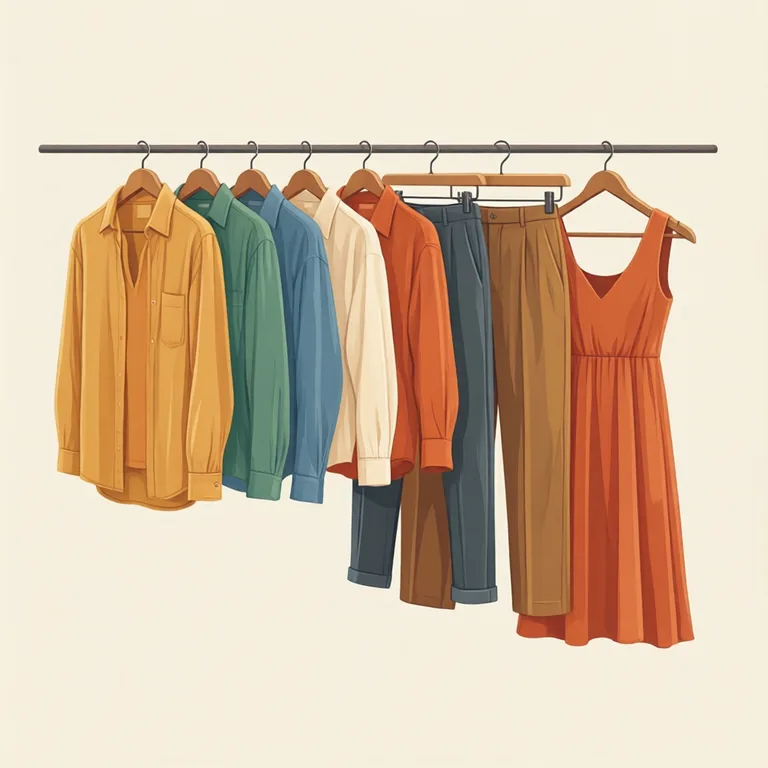
- n. 衣服
- Definition
- n. the things people wear to cover their bodies
- Example
- She hung the clean clothes outside to dry in the sun.
- 她把洗干净的衣服挂在外面晒太阳。
Synonyms & Differences 近义词辨析
Compared meaning: clothing worn on the body (noun).
比较义项:衣服,衣物(名词)。
- clothes 本词
The everyday, neutral word for garments in general; always plural, used constantly in ordinary conversation about washing, buying, or wearing clothing.
最普通、最口语化的“衣服”统称,永远用复数形式,日常谈论洗衣服、买衣服、穿衣服时都用这个词。
He threw his dirty clothes into the washing machine after the game.
比赛结束后,他把脏衣服扔进了洗衣机。
- dress
A more formal or literary word for clothing as a whole, often referring to a particular style or manner of dressing, as in formal dress or national dress.
较为正式或书面化的“服装”统称,常指某种特定风格或着装方式,如正式服装、民族服装。
Guests were asked to wear formal dress for the awards ceremony.
宾客们被要求穿着正式服装出席颁奖典礼。
- apparel
A formal, mainly commercial word used in shops, catalogues, and marketing to describe clothing as a product category, almost never spoken in casual conversation.
正式且偏商业用语,常见于商店、商品目录和广告中,把衣服当作商品类别来描述,日常口语中几乎不用。
The department store has a whole floor devoted to men's apparel.
这家百货商店有一整层楼专门销售男装。
Clothes, dress, and apparel all mean clothing worn on the body. Clothes is the everyday, neutral word, always plural. Dress is more formal, meaning a style of clothing. Apparel is formal and commercial, used in shops. Not compared: dress as a garment or verb.
这三个词在“衣服”这一意义上很接近,但语域和使用场合不同:clothes 是日常口语中最常用的说法,dress 更正式或书面化,常指整体的“服装、装束”,apparel 则多见于商店、商品分类等书面或商业语境,口语中很少使用。这里不比较 dress 作为“一件连衣裙”这一具体服装、或作动词“穿衣”时的意义。