clay
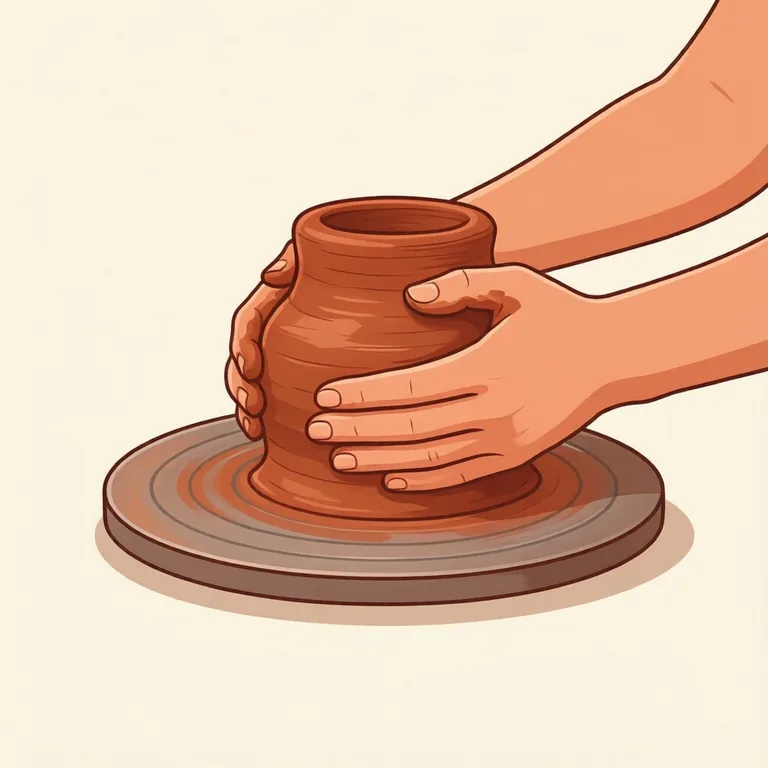
- n. 黏土, 泥土
- Definition
- n. a heavy sticky earth that becomes hard when it is baked or dried
- Example
- The children shaped little animals out of soft red clay.
- 孩子们用柔软的红色粘土捏出了小动物。
Synonyms & Differences 近义词辨析
Compared meaning: soft earth or ground (noun).
比较义项:泥土、泥巴(名词)。
- mud
Refers to soft, wet, sticky earth typically found on the ground after rain; associated with mess and dirt rather than shaping.
指雨后地面上湿软、黏糊的烂泥,通常与弄脏、邋遢相关,而不是用来塑形。
The children got mud all over their new shoes.
孩子们的新鞋上沾满了泥巴。
- clay 本词
Refers to a heavier, denser earth that can be molded into shapes and hardens when baked or dried; used for pottery and modeling, not associated with mess.
指质地更重、更致密的泥土,可以塑形,经烧制或晾干后会变硬;用于制陶或捏塑,而不是形容弄脏东西。
The children shaped little animals out of soft red clay.
孩子们用柔软的红色黏土捏出了一些小动物。
Mud and clay both mean wet earth. Mud is soft, sticky, and messy, often found on the ground after rain or on shoes. Clay is heavier and can be shaped by hand, then hardened by baking or drying; it is used for pottery and modeling.
两者都指湿软的泥土,但 mud 强调稀软、粘脚、弄脏东西的烂泥,多见于雨后地面或鞋子上;clay 强调可塑形、烧硬的黏土,多用于制陶或塑形。两词在此不可互换。