cheap
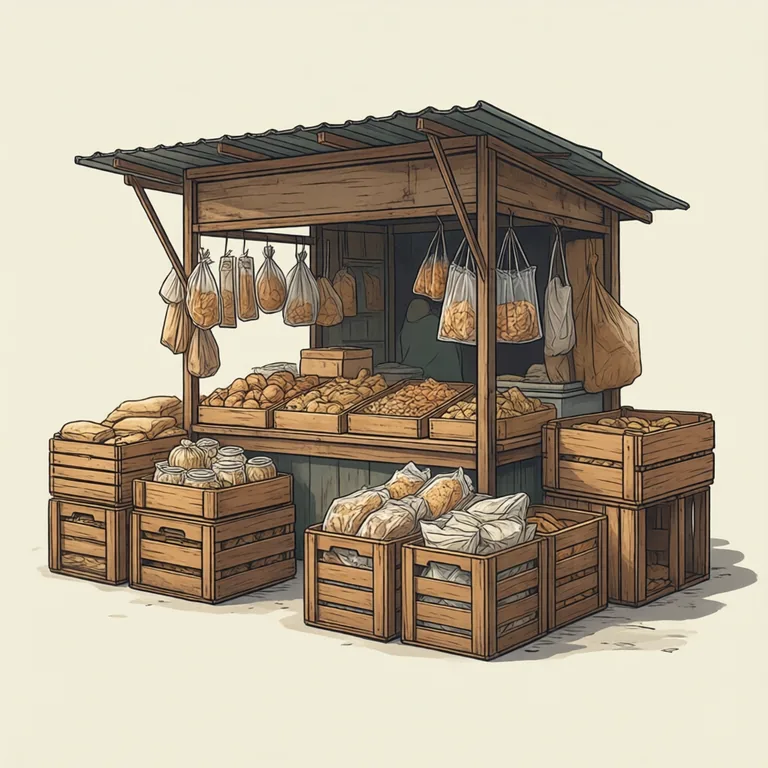
- adj. 便宜的
- adj. 低劣的
- adv. 便宜地
- Definition
- adj. costing little money
- adj. of low quality
- adv. at a low price
- Example
- This restaurant serves good food at a cheap price.
- 这家餐厅的菜好吃又便宜。
Synonyms & Differences 近义词辨析
Compared meaning: low in price (adjective).
比较义项:价格低,花费的钱不多(形容词)。
- cheap 本词
The everyday, informal word for low price; it often implies the thing is poor in quality or feels low-value, so calling a person or object 'cheap' can sound like an insult.
日常口语中表示价格低的常见词;常暗示东西质量差、不值钱,所以说一个人或物品“cheap”也可能带有贬低的意味。
The tourist trap sold cheap souvenirs that fell apart within a week.
这家旅游陷阱式商店卖的廉价纪念品用了一周就散架了。
- affordable
Emphasizes that ordinary buyers can manage the price, not that the price is low in absolute terms; common with housing, cars, or insurance, and carries a positive, practical tone.
强调普通人负担得起,而不是价格绝对低;常与住房、汽车、保险等搭配使用,语气正面、务实。
The city promised to build more affordable housing near the new subway line.
市政府承诺在新地铁线附近建更多经济适用房。
- inexpensive
A neutral, somewhat more formal synonym for cheap that avoids any hint of poor quality; often used to praise good value, especially for food or services.
是 cheap 的中性、较正式的同义词,不含“质量差”的暗示;常用来称赞物有所值,尤其是餐饮或服务方面。
The critic praised the small café for its inexpensive yet delicious lunch menu.
这位美食评论家称赞这家小咖啡馆的午餐菜单价格实惠又美味。
Cheap, affordable, and inexpensive all mean low in price, but tone differs. Cheap is informal, but implies poor quality, so it can sound insulting. Affordable stresses ordinary buyers can manage the price. Inexpensive is neutral and formal, without a hint of poor quality.
这三个词都表示价钱不高,但语气和侧重不同:cheap 最口语化,常暗示“质量差、不值钱”,带贬义;affordable 强调“一般人负担得起”,语气正面,常用于住房、保险等大宗消费;inexpensive 是较正式、中性的说法,只说价格低,不含贬义。这里不比较 cheap 表示“卑鄙的、不光彩的”(如 a cheap trick)等引申义。
Compared meaning: low quality, badly made (adjective).
比较义项:质量低劣、劣质的(形容词)。
- cheap 本词
Cheap suggests low quality that comes from being made or sold inexpensively; common and everyday, used for goods, food or materials, often implying poor value for money.
cheap强调因制作或售价低廉而质量差,是常见的日常用词,多形容商品、食物或材料,常暗示价格虽低但物有不值。
The cheap plastic toy broke apart on its very first use.
这个廉价的塑料玩具第一次使用就散架了。
- bum
Bum is informal, mainly American slang for something worthless or badly made; used casually about objects, deals or situations, never in formal writing.
bum是非正式的美式俚语,形容没有价值或做工低劣的东西,多用于随口谈论物品、交易或状况,不用于正式书面语。
I bought a bum used car that broke down within a week.
我买了一辆劣质的二手车,一周内就抛锚了。
- inferior
Inferior is formal and often comparative, meaning lower in quality than something else; common in reviews, business and technical writing, frequently followed by 'to'.
inferior是正式用词,常用于比较,意为质量比另一物差,多见于评论、商业和技术写作中,后面常接to。
Critics said the sequel's special effects were inferior to the original.
评论家说续集的特效比原作逊色。
- coarse
Coarse describes low-quality material that feels rough or is roughly made, focusing on texture and craftsmanship rather than price or overall worth.
coarse形容质地粗糙、做工粗劣的材料,侧重于触感和加工工艺,而不是价格或整体价值。
The coarse fabric scratched her skin and frayed after one wash.
这种粗劣的布料刮得她皮肤难受,洗一次就磨损了。
Cheap, bum, inferior, and coarse all mean poor quality. Bum is slang; coarse means rough material or bad craftsmanship; inferior is a formal comparison word; cheap means low quality from being inexpensive. Not compared: cheap's 'low price' sense, bum's 'homeless person' sense, coarse's 'rude' sense.
这几个词都能形容“质量差”,但语气和使用场合不同:bum是非正式俚语,coarse偏重材质粗糙、做工不精,inferior是正式的比较用词,cheap强调因便宜而质量不好。这里不比较cheap的“便宜的”(价格)义项,也不比较bum的名词“流浪汉”义项,也不比较coarse的“粗鲁的”(举止、语言)义项。