bind
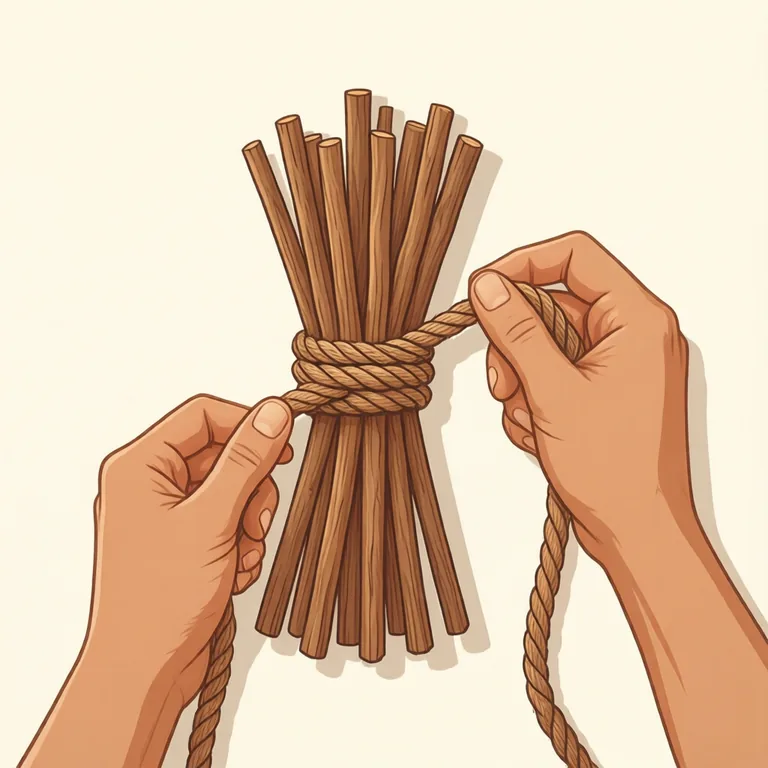
- v. 捆绑
- v. 使结合
- v. 约束
- v. 使便秘
- Definition
- v. to tie or fasten things together
- v. to join things together
- v. to make someone legally obliged to do something
- v. to make someone constipated
- Example
- The rules bind everyone who signs the contract.
- 这些规则对所有签署合同的人都具有约束力。
Synonyms & Differences 近义词辨析
Compared meaning: to fasten something tightly (verb).
比较义项:捆绑,系紧(动词)。
- bind 本词
More formal or literary; describes wrapping something tightly around an object to hold it together or restrain it, not necessarily by making a knot (e.g. bind a wound, bind someone's hands).
较为正式、书面化;指把某物紧紧缠绕在另一物体上使其固定或受到束缚,不一定要打结(如包扎伤口、捆住某人的手)。
The nurse used a bandage to bind the wound tightly.
护士用绷带把伤口紧紧包扎起来。
- tie
The everyday, concrete word for fastening something with string, rope, or lace, usually by making a knot or bow (e.g. tie your shoelaces, tie a ribbon).
是日常、具体的用词,指用绳子、带子或鞋带把东西系紧,通常要打结或打蝴蝶结(如系鞋带、系丝带)。
He knelt down to tie his shoelaces before the race.
他跪下来系好鞋带,准备参加比赛。
Bind and tie both mean to fasten something tightly. Bind is more formal, meaning to wrap something tightly around an object, like binding a wound, without necessarily making a knot. Tie is the everyday word for fastening something with string, usually by making a knot.
这两个词在“捆绑、系紧”这个意义上比较接近,但语气和搭配不同:bind 较为正式书面,强调用带状物缠绕使物体固定或受到束缚,常见于包扎伤口、捆住双手等场合;tie 是日常用词,指用绳子、带子等打结把东西系住,如系鞋带、系丝带。这里不比较 bind 表示“(规则、法律等)约束、使受制于”的引申义,例如 The rules bind everyone who signs the contract。