adjacent
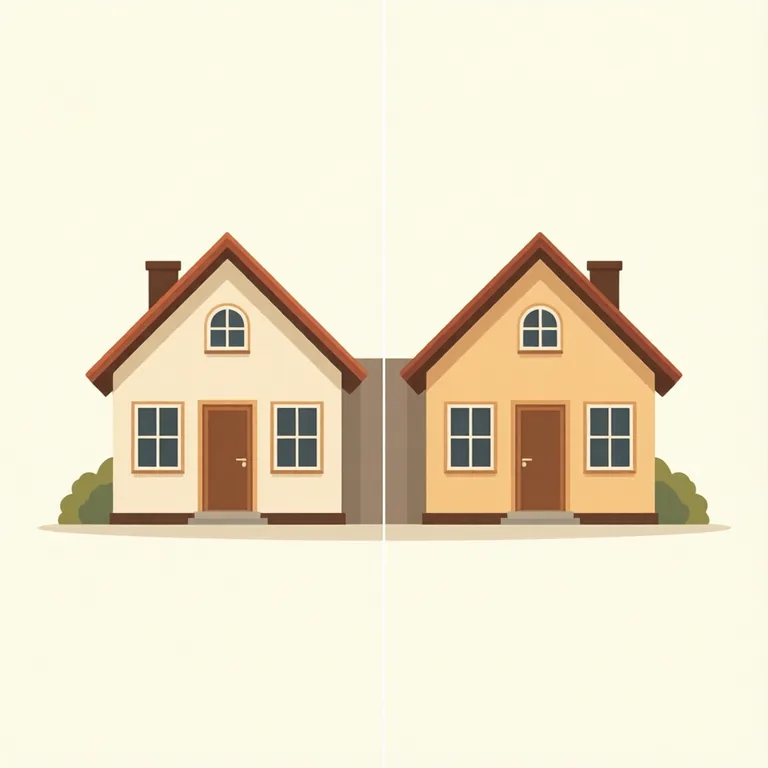
- adj. 邻近的, 毗连的
- Definition
- adj. very near or next to something, often touching it
- Example
- The bakery is adjacent to the small coffee shop on Main Street.
- 这家面包店就在主街那家小咖啡馆的旁边。
Synonyms & Differences 近义词辨析
Compared meaning: close in distance or relationship (adjective).
比较义项:距离或关系上很近的(形容词)。
- close
General, everyday word for nearness; can describe physical distance or emotional/relational closeness (a close friend); does not require actual contact or a shared border.
常用、口语化的词,既可指距离上的近,也可指感情上的亲密(如close friend);不要求彼此接触或有共同边界。
My sister and I have always been close, even though we live in different countries.
我和姐姐一直很亲密,尽管我们住在不同的国家。
- adjacent 本词
More formal and technical; means directly next to or bordering something with no gap in between; used only for physical position, never for relationships between people.
较正式、较书面的词,指紧挨着、彼此接壤,中间没有空隙;只用于描述物理位置,不用于人与人之间的关系。
The two hotel rooms are adjacent, sharing a connecting door between them.
这两间酒店客房紧邻,中间有一扇相连的门。
Close and adjacent both mean near. Close is the everyday, common word, used for physical distance and emotional closeness. Adjacent is more formal, meaning directly next to or bordering something, only for physical position, never relationships. Close as shut is not compared.
这两个词都表示“近”,但close是最常用、最口语化的词,既可指距离近,也可指关系亲密;adjacent更正式、更书面,专指物理位置上紧挨着、彼此接壤,不用于人际关系。close还有“关闭”(动词)等其他词义,这里不比较。
Compared meaning: close in distance (adjective).
比较义项:距离近的(形容词)。
- near
The general, neutral word for physical closeness; used as an adjective or preposition and can go directly before a noun (near the park) without 'to'; the most common and everyday of the three.
这是三者中最普通、最中性的说法;可作形容词或介词,直接用在名词前(near the park),不需要加“to”;也是日常口语中最常用的一个。
Their new apartment is near the subway station, which makes commuting easy.
他们的新公寓离地铁站很近,这让通勤变得很方便。
- adjacent 本词
Implies being right next to something, often touching or sharing a border, with no gap between them; more formal, common in technical or descriptive writing; when linking to a noun it needs 'to' (adjacent to the hospital).
强调紧靠在一起,常常是相接或共用边界,几乎没有间隔;语气比较正式,常见于技术性或描述性的文字中;接名词时要加“to”(adjacent to the hospital)。
The pharmacy is adjacent to the hospital, sharing the same parking lot.
这家药店紧邻医院,和医院共用同一个停车场。
- nearby
Describes something a short distance away from a known point; usually stands alone as an adverb or sits right before the noun (a nearby bakery), rather than linking directly to another noun the way 'near' does.
表示离某个已知地点不远;通常单独作副词使用,或直接放在名词前面(a nearby bakery),而不像“near”那样可以直接连接另一个名词。
There's a great bakery nearby, so we never run out of fresh bread.
附近有一家很棒的面包店,所以我们从不缺新鲜面包。
Near, adjacent, and nearby all describe closeness. Near is the most common, used directly before a noun, as in near the park. Adjacent means right next to something, more formal, as in adjacent to the hospital. Nearby usually stands alone.
这三个词都表示距离很近,但语气和用法有区别:near 最常用、最中性,可直接接名词;adjacent 强调紧靠甚至相接,语气更正式,须搭配“to”;nearby 通常单独作副词或直接放在名词前,不像 near 那样直接连接另一个名词。